

Volunteering is the act of dedicating time, skills, and effort to help others without expecting financial reward. It is one of the most powerful expressions of social responsibility and plays a vital role in building stronger, more compassionate communities.
Across the world, volunteers contribute to educational programs, humanitarian initiatives, environmental projects, and community development efforts. Through volunteering, individuals become active participants in creating positive social change while helping those in need.
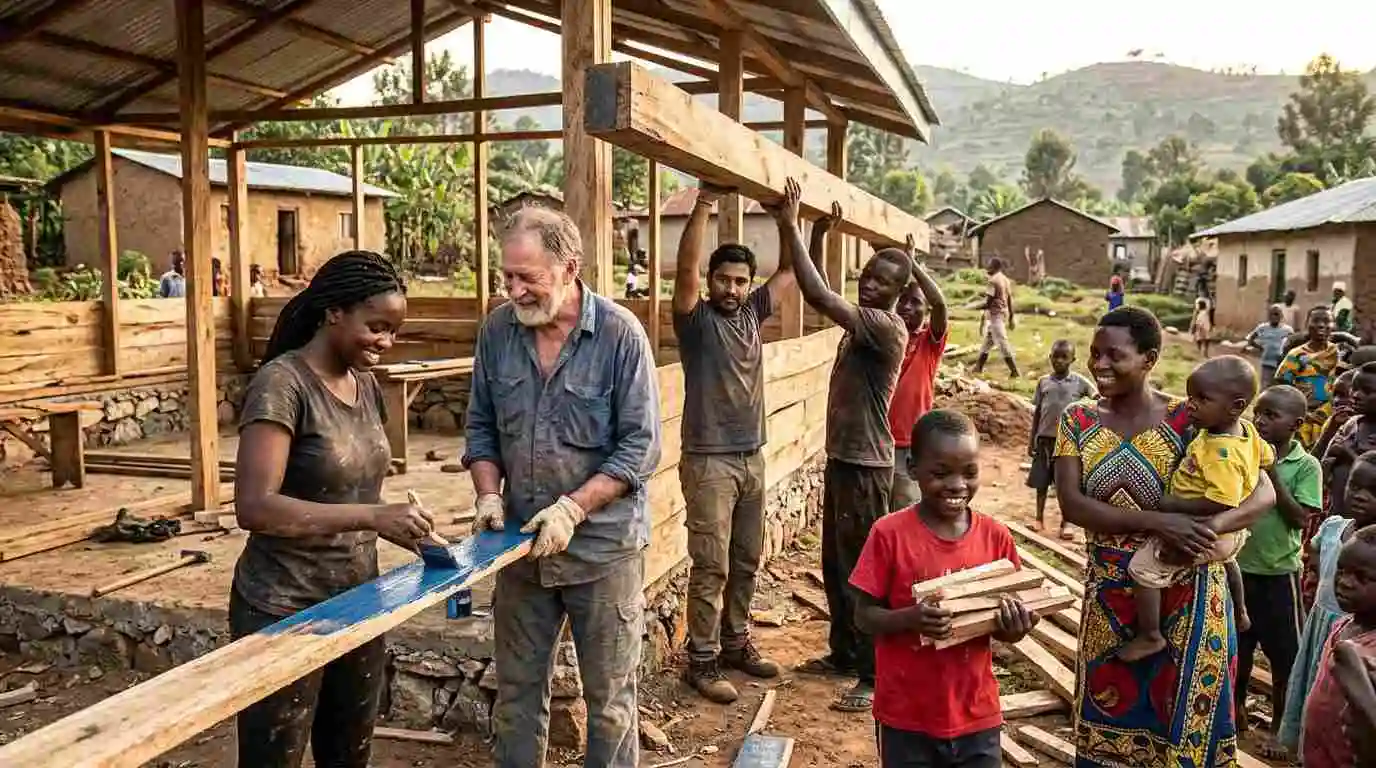
What Is Volunteering?
Volunteering involves offering personal time, knowledge, and abilities to support causes that benefit society.
Common volunteering activities include:
- Educational support programs
- Humanitarian aid projects
- Community development initiatives
- Environmental conservation efforts
- Social awareness campaigns
- Youth empowerment programs
These activities help address social challenges while fostering cooperation and solidarity.
Why Is Volunteering Important?
Volunteering creates meaningful connections between individuals and communities. It strengthens the values of compassion, empathy, and shared responsibility.
Key benefits of volunteering include:
- Strengthening community relationships
- Encouraging social responsibility
- Supporting vulnerable populations
- Increasing social awareness
- Promoting civic engagement
- Inspiring positive action
As a result, volunteering becomes a powerful force for social improvement.
How Volunteering Strengthens Social Solidarity
Strong communities are built on cooperation and mutual support. Volunteering encourages people to work together toward common goals and address community needs.
Social solidarity through volunteering can:
- Foster unity and cooperation
- Encourage mutual understanding
- Strengthen community resilience
- Support social inclusion
- Create a culture of helping others
These outcomes contribute to healthier and more connected societies.
Personal Benefits of Volunteering
While volunteering benefits communities, it also offers significant personal growth opportunities.
People who engage in volunteering often:
- Develop new skills
- Improve communication abilities
- Expand professional networks
- Build leadership qualities
- Gain valuable life experiences
- Increase self-confidence
Volunteering can therefore enrich both personal and professional development.
The Role of Volunteering in Humanitarian Work
Humanitarian organizations rely heavily on volunteers to support their missions and reach communities effectively.
Volunteers contribute by:
- Assisting with aid distribution
- Supporting educational projects
- Organizing awareness campaigns
- Participating in community outreach
- Helping implement development programs
Without volunteer support, many humanitarian initiatives would have a limited impact.
Volunteering and Sustainable Development
Sustainable development requires active participation from individuals and communities. Volunteering helps create long-term solutions by encouraging people to take part in social progress.
Volunteer efforts contribute to:
- Quality education
- Community well-being
- Environmental sustainability
- Poverty reduction
- Social development
For this reason, volunteering is often recognized as an important component of sustainable growth.
HilfalFudul Foundation and Volunteering
The HilfalFudul Foundation values volunteering as a powerful tool for creating positive social impact. Inspired by the principles of justice, compassion, and human dignity, the foundation encourages individuals to contribute their time and skills to humanitarian and community-focused initiatives.
Through volunteer engagement, communities can work together to address challenges and build a more inclusive future.
Building a Better Future Through Volunteering
Every volunteer action, no matter how small, can make a meaningful difference. Whether supporting education, helping vulnerable families, or participating in community projects, volunteers play a crucial role in shaping a better future.
By embracing volunteering, individuals contribute to:
- Stronger communities
- Greater social cohesion
- Improved quality of life
- Positive social transformation
- Long-term community development
These contributions help create a more compassionate and responsible society.
Conclusion
Volunteering is one of the most effective ways to demonstrate social responsibility and community commitment. It strengthens social solidarity, empowers individuals, and supports sustainable development.
Organizations such as the HilfalFudul Foundation recognize that volunteers are essential partners in creating positive change. Through their dedication and service, volunteers help build stronger communities and a brighter future for generations to come.
Frequently Asked Questions
What is volunteering?
Volunteering is the act of contributing time, skills, and effort to support others and benefit society without receiving financial compensation.
Why is volunteering important?
Volunteering promotes social responsibility, strengthens communities, and helps address important social challenges.
How does volunteering benefit individuals?
It helps people develop new skills, gain experience, build confidence, and expand their social and professional networks.
How does volunteering support communities?
Volunteers contribute to education, humanitarian aid, community development, and other initiatives that improve people’s lives.


