

Orphan Support Programs provide essential assistance to children who have lost parental care or face difficult living conditions. For these children, access to education, nutritious food, healthcare, clothing, and a safe environment can make a significant difference in their development and future opportunities.
Supporting vulnerable children is not limited to meeting immediate needs. Effective Orphan Support Programs can also help children continue their education, develop valuable skills, build confidence, and become active members of their communities.
When a child receives the right support at the right time, that support can influence not only the child’s present circumstances but also their future.
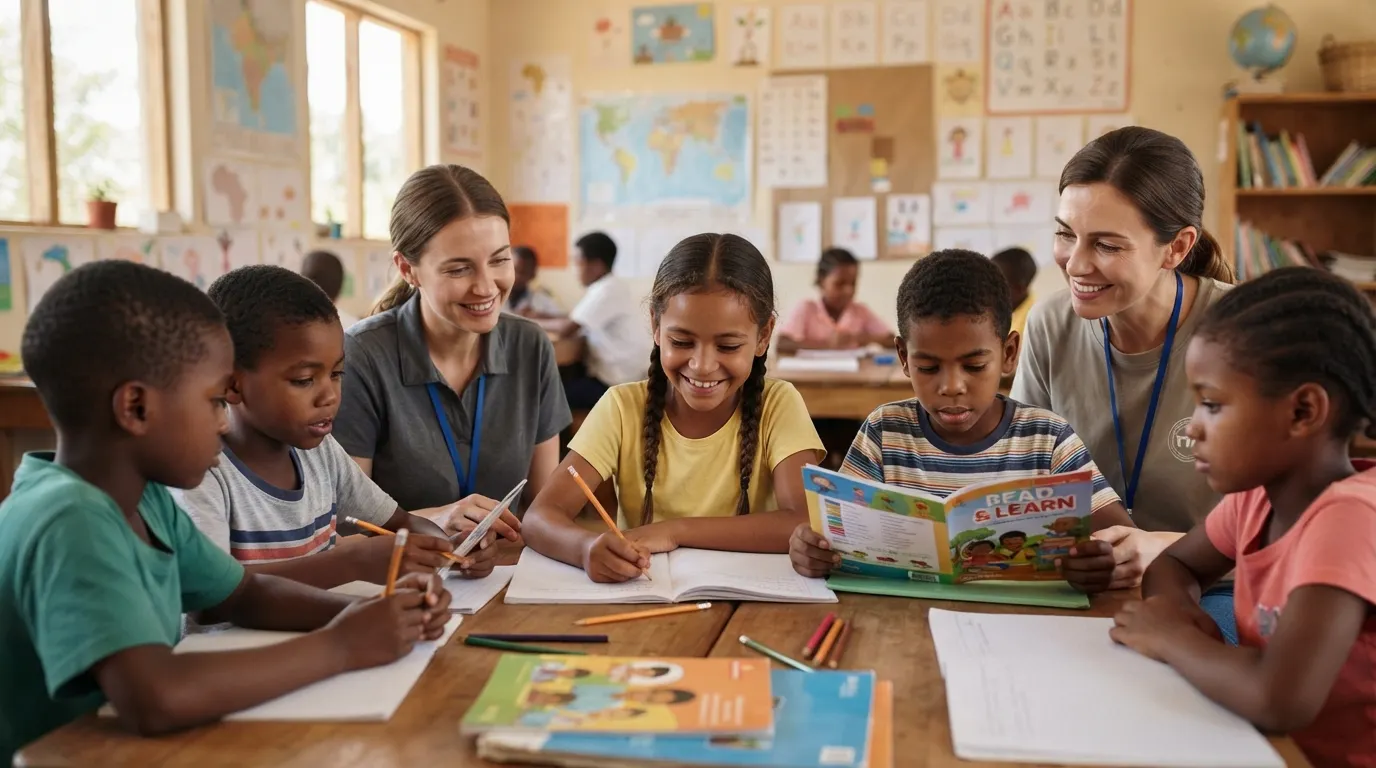
What Are Orphan Support Programs?
Orphan Support Programs are humanitarian and social support initiatives designed to assist orphaned and vulnerable children.
Depending on the needs of the community and the structure of the program, support may include:
- Educational assistance
- School supplies
- Food and nutritional support
- Healthcare assistance
- Clothing
- Safe accommodation
- Psychological and social support
- Basic living necessities
- Community-based assistance
The main purpose is to help children meet their basic needs while creating an environment where they can continue learning and developing.
Why Are Orphan Support Programs Important?
Children who grow up without adequate parental support may face financial, educational, and social challenges. These difficulties can affect their ability to attend school, receive healthcare, and access basic necessities.
Orphan Support Programs can help reduce these barriers by providing consistent and organized assistance.
Such programs can contribute to:
- Better access to education
- Improved living conditions
- Greater access to healthcare
- Improved nutrition
- Increased social support
- Better opportunities for personal development
Supporting vulnerable children therefore represents an investment in both individual well-being and community development.
Education Can Change a Child’s Future
Education is one of the most important elements of a child’s development. It provides knowledge, develops skills, and creates opportunities for future employment and independence.
For vulnerable children, financial difficulties can make continuing education particularly challenging.
Through Orphan Support Programs, children may receive assistance with:
- School fees
- Books
- School uniforms
- Stationery
- Educational materials
- Transportation
- Other school-related expenses
When these barriers are reduced, children have a better opportunity to remain in school and focus on their education.
Education Creates Long-Term Opportunities
The benefits of education can extend well beyond childhood. A child who receives educational support may gain the knowledge and skills necessary to pursue higher education or vocational opportunities later in life.
This can contribute to:
- Greater employment opportunities
- Increased financial independence
- Improved social participation
- Personal development
- Stronger communities
For this reason, supporting a child’s education is also a way of supporting the future of the wider community.
The Importance of Food and Nutrition
Children need adequate nutrition for healthy physical and cognitive development. However, vulnerable families may struggle to provide sufficient nutritious food.
Food assistance can help address immediate nutritional needs and provide greater stability for children.
Orphan Support Programs may include food support as part of a broader humanitarian approach. Providing nutritious food can help children maintain their energy, participate in education, and continue their daily activities.
Food support is therefore an important part of creating stable conditions for childhood development.
Healthcare Support for Vulnerable Children
Healthcare is another essential component of child welfare. Children need access to appropriate medical care, hygiene resources, and health information.
Healthcare assistance can include:
- Medical examinations
- Access to basic healthcare
- Hygiene supplies
- Health education
- Nutritional support
- Assistance during medical emergencies
When children can access healthcare, potential health problems can be identified and addressed more effectively.
Creating a Safe Environment
Children need more than material assistance. They also need a safe environment where they can feel respected, protected, and valued.
A supportive environment can help children:
- Develop confidence
- Build healthy relationships
- Participate in education
- Develop social skills
- Feel a sense of belonging
Child-focused humanitarian programs should therefore consider both basic needs and the broader well-being of the child.
How Orphan Support Programs Strengthen Communities
The impact of Orphan Support Programs can extend beyond individual children.
When vulnerable children receive education, healthcare, and social support, they have greater opportunities to develop into productive and engaged members of society.
Over time, child-focused support can contribute to:
- Stronger communities
- Improved education levels
- Greater economic opportunities
- Reduced vulnerability
- Increased social participation
- Sustainable community development
Supporting children is therefore also an investment in the future of communities.
The Connection Between Education and Poverty Reduction
Education and economic opportunity are closely connected. Children who have access to education can develop skills that may improve their future employment opportunities.
For vulnerable children, educational support can help break cycles in which financial hardship limits access to education and limited education reduces future opportunities.
This makes Orphan Support Programs particularly valuable when they combine immediate assistance with long-term educational support.
Supporting Orphans Is a Shared Social Responsibility
Helping vulnerable children is a responsibility that can involve individuals, charitable organizations, communities, and institutions.
People can contribute in different ways, including:
- Supporting child-focused donation programs
- Providing educational materials
- Volunteering
- Supporting food assistance initiatives
- Raising awareness
- Contributing to humanitarian projects
Even small contributions can become meaningful when they are organized effectively and directed toward genuine needs.
HilfalFudul and Support for Vulnerable Communities
HilfalFudul focuses on humanitarian values such as compassion, solidarity, dignity, and community support. Initiatives that assist vulnerable children can contribute to improving their living conditions and creating opportunities for a more secure future.
Child support can also be connected with other humanitarian initiatives such as Educational Scholarships, Humanitarian Aid, Water Well Projects, and Volunteer Programs.
These complementary efforts can help address different aspects of community needs and contribute to long-term development.
Why Long-Term Support Matters
Short-term assistance can address an immediate need, but long-term support can create broader opportunities.
A comprehensive approach may combine:
- Basic food assistance
- Healthcare support
- Educational opportunities
- Social support
- Skills development
- Community participation
This approach can help children move from immediate vulnerability toward greater stability and independence.
How Can Individuals Support Orphan Support Programs?
Individuals who want to support vulnerable children can consider several forms of assistance.
1. Educational Support
Contributing to school expenses, books, uniforms, and educational materials can help children remain connected to education.
2. Food Assistance
Supporting food programs can help vulnerable children access essential nutrition.
3. Healthcare Support
Contributions toward healthcare can help children receive necessary medical attention.
4. Volunteering
Volunteers can contribute their time, knowledge, and skills to humanitarian initiatives.
5. Raising Awareness
Sharing reliable information about child-focused humanitarian programs can encourage more people to become involved.
The Long-Term Impact of Supporting a Child
A single act of support can have effects that extend for many years.
When a child receives education, healthcare, nutrition, and a safe environment, they have a stronger foundation for personal development.
In the long term, this can contribute to:
- Greater educational achievement
- Improved employment opportunities
- Increased independence
- Stronger social participation
- Better economic stability
- Positive community contribution
The ultimate goal of child support is not simply to provide temporary assistance, but to help create opportunities for a better future.
Conclusion
Orphan Support Programs can play an important role in changing the futures of vulnerable children. By providing education, healthcare, nutrition, basic necessities, and supportive environments, these programs help children overcome difficult circumstances and develop their potential.
Supporting a child is an investment in the future. When communities work together to protect and empower vulnerable children, the benefits can continue across generations.
Every child deserves the opportunity to learn, grow, feel safe, and build a hopeful future.
Frequently Asked Questions
What are Orphan Support Programs?
Orphan Support Programs are initiatives that provide vulnerable children with assistance such as education, food, healthcare, clothing, and other basic necessities.
Why are Orphan Support Programs important?
They help vulnerable children overcome financial and social barriers while providing opportunities for education, development, and a more secure future.
What kind of assistance can orphaned children receive?
Depending on the program, children may receive educational support, food, healthcare, clothing, school materials, and other essential assistance.
How does education help orphaned children?
Education provides knowledge and skills that can improve future employment opportunities, independence, and participation in society.
Can individuals support Orphan Support Programs?
Yes. Individuals can support these programs through donations, volunteering, educational assistance, food support, and awareness activities.


