

Zakat and Sustainable Humanitarian Aid

Zakat and Sustainable Humanitarian Aid
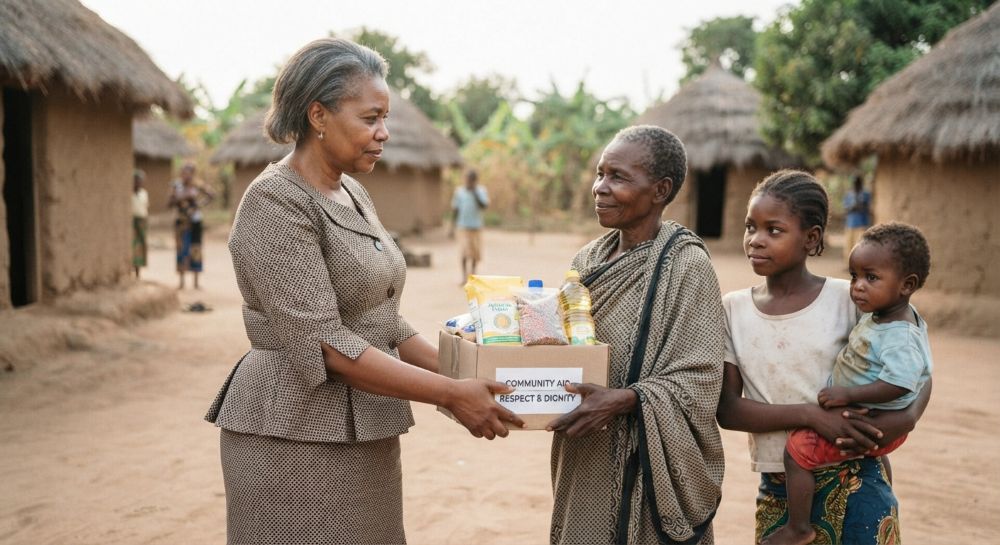
To begin with, economic inequality remains one of the most pressing challenges facing human society today. Across many regions, millions of families struggle daily to secure basic necessities due to persistent financial hardships and systemic imbalance. Above all, restoring social harmony requires structured systems that redistribute wealth with dignity, care, and total transparency. For this reason, the traditional institution of Zakat serves as a vital financial mechanism to deliver principled humanitarian aid directly to those in need. In this context, Hilf Al-Fudul Foundation actively channels faith-based social support into sustainable development projects across more than 12 countries.
Furthermore, Zakat functions not merely as informal charity, but as an essential pillar of social justice and communal balance. Compassion must always preserve human dignity rather than foster dependency or feelings of helplessness. Therefore, our organization upholds a strict non-discriminatory approach, ensuring that support reaches marginalized populations regardless of their religion, race, or ethnicity. By turning civic responsibility into structured action, we help vulnerable communities build long-term stability and resilience. Based on these principles, ethical financial management ensures that every contribution achieves maximum social impact.
The Essential Role of Zakat in Wealth Distribution
First, understanding the socio-economic purpose of Zakat requires recognizing its power to bridge extreme financial divides. When wealth accumulates without circulation, broader societal equity declines rapidly. In addition, mandatory contribution systems ensure a continuous flow of resources from affluent individuals to struggling households. This is why incorporating faith-based obligations into organized humanitarian aid offers a reliable framework for poverty alleviation.
Likewise, structured wealth transfer prevents extreme poverty from crippling entire generations. When individuals fulfill their duty of sharing resources, communities experience enhanced social solidarity and trust. Hilf Al-Fudul Foundation transforms these obligations into practical relief operations worldwide. Through carefully managed programs, we ensure that every contribution restores dignity and provides immediate relief to oppressed populations.
          The Cycle of Socio-Economic Equity
 ┌──────────────────────────────────────────────────┐
 │  • Resource Accumulation -> Responsible Wealth    │
 │  • Systematic Transfer   -> Transparent Zakat    │
 │  • Community Empowerment -> Sustainable Growth   │
 └──────────────────────────────────────────────────┘
Promoting Social Peace and Reducing Poverty
In addition to financial redistribution, Zakat plays a critical role in fostering peace and cohesion within vulnerable regions. Economic inequality frequently causes social tension, instability, and despair.
Protecting Human Dignity
Above all, receiving assistance through structured channels protects individuals from social stigma. Beneficiaries receive help as a fundamental right rather than a public favor, which preserves personal dignity under all circumstances.
Fostering Mutual Solidarity
Furthermore, active wealth sharing breaks down socioeconomic barriers between different segments of society. When wealthier citizens support impoverished families, mutual empathy and social harmony grow naturally.
Preventing Systemic Crises
In this context, timely interventions prevent minor financial hardships from escalating into severe human crises. Providing predictable relief stabilizes fragile economies and supports vulnerable households during difficult times.
Core Initiatives Powered by Charitable Contributions
In order to address complex socio-economic issues effectively, relief operations must span across several key developmental areas. Every initiative fulfills a clear purpose in elevating living standards for marginalized communities.
1. Water Well Projects and Health Infrastructure
To begin with, access to clean drinking water is essential for public health and economic productivity. Yet, many impoverished communities lack basic water infrastructure. For this reason, constructing a reliable water well project in water-scarce regions drastically reduces waterborne diseases. Consequently, family members save valuable time, allowing children to attend school and adults to engage in productive work.
2. Emergency Aid and Crisis Management
On the other hand, unexpected natural disasters and conflicts require immediate economic and physical relief. Through rapid response networks, targeted humanitarian aid delivers urgent food packages, emergency medical supplies, and temporary shelters to affected zones. In these crucial moments, efficient distribution channels ensure that emergency relief reaches isolated households without delay.
3. Education Scholarships for Youth
Furthermore, breaking generational poverty requires continuous access to quality education. A motivated, high-achieving student may struggle to cover university tuition due to severe financial constraints. By providing a comprehensive educational scholarship, donors eliminate financial barriers and empower promising young minds. Education builds local leaders who eventually drive economic growth within their own societies.
4. Qurbani Donations and Seasonal Support
In addition, seasonal food distributions provide essential dietary support to families facing food insecurity. A seasonal Qurbani donation ensures that marginalized households receive high-quality nutritional assistance during important periods. These distributions relieve immediate financial burdens and bring shared joy to struggling communities.
Enhancing Social Impact Through Volunteering
However, direct financial contributions represent only one dimension of comprehensive social change. Active human involvement builds strong community connections and deepens social responsibility. Indeed, engaging in volunteering allows dedicated individuals to share their professional expertise, time, and compassion with global communities.
- On-the-Ground Logistics: Assisting in packing, organizing, and distributing relief packages.
- Professional Skill Delivery: Providing expertise in project management, translation, and educational instruction.
- Community Advocacy: Raising public awareness about economic disparity and social justice causes.
Moreover, participating in volunteer work enriches both the local community and the individual worker. When people collaborate around shared values, cultural boundaries give way to genuine unity. Consequently, active participation strengthens global cooperation and fosters a compassionate international network.
    Financial Responsibility           Active Engagement
  (Zakat & Charitable Gifts)   <===>    (Volunteering Work)
               \                         /
                \                       /
                 v                     v
          Sustainable Global Equity & Social Justice
The Broader Impact of Education and Capacity Building
To achieve long-term economic balance, social initiatives must prioritize educational support alongside direct relief. Education creates sustainable pathways out of poverty by building internal capacity.
Overcoming Financial Barriers
First, financial strain frequently forces talented students to abandon their academic dreams prematurely. Offering targeted financial support enables promising youth to complete higher education and secure meaningful employment.
Building Resilient Communities
In addition, educated professionals return to uplift their local environments as teachers, health workers, and civic leaders. This continuous capacity building reduces long-term reliance on external emergency support.
Transparency and Responsibility in Action
Above all, ethical financial administration requires complete transparency, accountability, and operational efficiency. Donors entrust their resources with the firm expectation that every contribution generates real, measurable good. Based on this sacred trust, Hilf Al-Fudul Foundation carefully monitors every single initiative to ensure that aid reaches the rightful recipients.
In contrast to dramatic or exploitative charity campaigns, authentic relief work respects beneficiary privacy and presents factual outcomes clearly. Responsible institutions avoid sensationalism and focus strictly on dignified service. In short, transparent governance ensures that relief programs remain a reliable catalyst for positive social transformation.
Building Lasting Pathways to Economic Equity
Furthermore, achieving widespread social balance requires continuous collaboration between international organizations, local partners, and conscious donors. Relief interventions must look beyond immediate survival to build durable community structures. Through long-term investments in clean water, educational access, and emergency preparedness, fragile communities gradually achieve self-reliance.
Therefore, every relief campaign must be designed with sustainability at its core. By collaborating closely with local representatives, aid organizations ensure that developmental projects continue benefiting communities for generations to come.
A Shared Commitment to Human Dignity
In conclusion, supporting marginalized populations through structured wealth sharing is not merely an optional act of kindness, but a fundamental global duty. Every water well established, every scholarship provided, and every emergency package delivered brings society closer to genuine economic justice. Therefore, active involvement from conscious individuals remains the primary engine driving meaningful progress worldwide.
Finally, effective humanitarian aid will always honor human dignity above all differences of creed, language, or heritage. By choosing solidarity over indifference, we can continuously build sustainable solutions for vulnerable families across the globe.
Donate today or support our cause through volunteering to extend hope to those in need: /get-involved/


