

Access to clean water is one of the most essential human needs, yet millions of people around the world still struggle to obtain safe drinking water every day. The image of children collecting water from a newly completed well or families gathering around a reliable water source reflects more than a basic necessity—it represents improved health, dignity, and hope for a better future. Among its long-term development initiatives, Water Well Donation projects help create sustainable access to clean water while strengthening local communities and improving everyday life.
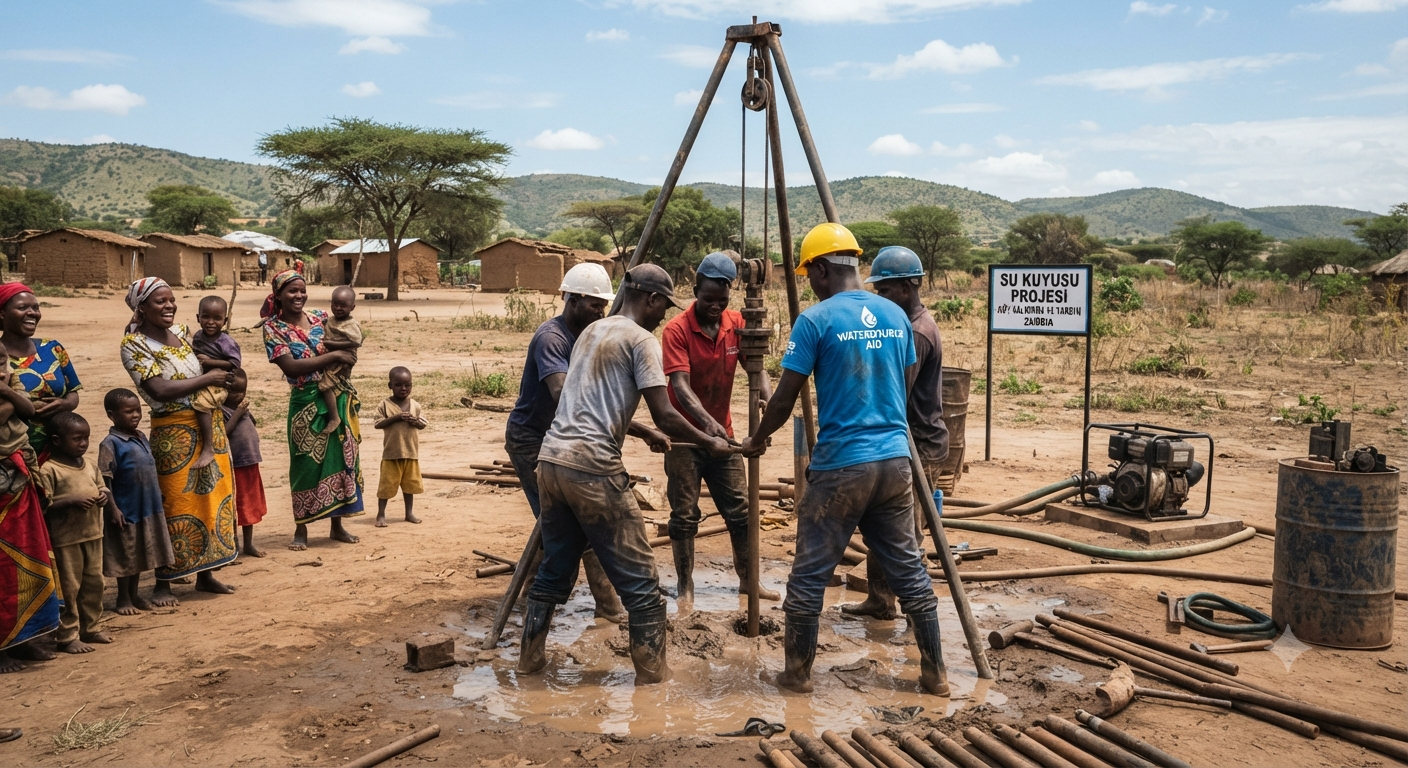
Providing clean water is more than meeting an immediate need. It is an investment in healthier families, stronger communities, and brighter opportunities for future generations. If you are considering supporting a water project, understanding how the donation process works can help you make an informed decision. This guide explains each step of making a water well donation while highlighting why transparency, sustainability, and community involvement matter.
Why Is a Water Well Donation Important?
Clean water affects nearly every aspect of daily life. It supports health, sanitation, education, agriculture, and economic activity. When communities have reliable access to safe water, people spend less time searching for distant water sources and more time focusing on education, work, and family responsibilities.
In many rural regions, access to nearby clean water can significantly improve living conditions. Children may spend more time attending school instead of walking long distances to collect water. Families can practice better hygiene, and communities become more resilient during periods of drought or water scarcity. Although every region has unique challenges, sustainable water projects often create positive long-term benefits.
A Water Well Donation also represents a practical form of humanitarian assistance. Rather than providing temporary relief alone, it contributes to lasting infrastructure that communities can rely on for years when properly maintained.
How Does a Water Well Donation Work?
Making a Water Well Donation is usually a straightforward process when working with an experienced humanitarian organization. While each charity may have its own procedures, the overall journey follows several important stages.
-
- Choose a Trusted Humanitarian Organization
The first and most important step is selecting a reputable charity with experience in international development projects. Transparency, accountability, and regular project updates are essential qualities to consider.
Before making a donation, you may wish to review:
-The organization’s humanitarian mission
-Countries where projects are implemented
-Financial transparency and reporting
-Project monitoring practices
-Communication with donors - Select the Appropriate Water Project
Different communities face different water-related challenges. Some require newly drilled wells, while others benefit from rehabilitating existing water systems or installing supporting infrastructure.
Depending on the organization’s programs, donors may be able to:
-Support a shared community well
-Contribute toward a larger water project
-Donate on behalf of a loved one
-Participate in ongoing clean water campaigns
Choosing the appropriate project allows your contribution to align with the most urgent needs identified by field teams. - Complete Your Donation Securely
Once you have selected your project, the donation can typically be completed through secure online payment systems or other official donation channels provided by the organization.
When making your donation, it is good practice to:
-Use only official payment platforms.
-Confirm donation details before submitting.
-Save your donation confirmation.
-Follow any communication provided after your contribution.
Secure donation systems help protect both donors and humanitarian organizations while ensuring that contributions are processed efficiently. - Follow the Project’s Progress
Many reputable charities provide updates throughout the implementation process. Depending on the project, donors may receive information about planning, drilling, construction, or completion.
Water well projects generally involve several stages:
-Community needs assessment
-Site selection
-Technical surveys
-Construction
-Water quality testing
-Community handover
-Long-term monitoring where applicable
Every project is unique because environmental conditions and local infrastructure differ from one location to another.
- Choose a Trusted Humanitarian Organization
What Should You Consider Before Making a Donation?
Choosing where to donate is an important decision. A responsible donor often looks beyond the donation itself and considers how projects are managed after completion.
Before contributing, consider whether the organization:
-Clearly explains its projects
-Provides transparent financial information
-Shares project updates
-Demonstrates long-term sustainability
-Works closely with local communities
These factors help build trust while increasing confidence that donations create meaningful and lasting impact.
The Lasting Impact of Clean Water
The benefits of a water well extend far beyond providing drinking water. Reliable access to clean water can influence education, healthcare, food production, and local economic development.
Imagine a rural village where families previously walked several kilometers every morning to collect water. After a new community well is installed nearby, parents have more time for work, children attend school more regularly, and community members can focus on improving their livelihoods instead of spending hours collecting water each day.
Although every community has different circumstances, stories like these illustrate how sustainable water infrastructure can improve quality of life without relying on short-term assistance alone.
The Role of Volunteerism in Water Projects
Financial support is essential, but humanitarian work also depends on people who dedicate their time, skills, and energy to helping others. Volunteerism strengthens awareness, encourages community participation, and helps humanitarian organizations reach wider audiences.
Volunteers can contribute by:
-Raising awareness about clean water initiatives
-Organizing fundraising campaigns
-Supporting educational events
-Sharing humanitarian projects within their communities
-Encouraging responsible charitable giving
Even small individual efforts can inspire meaningful collective action when many people work toward the same goal.
Why Transparency Matters in Humanitarian Giving
Trust is one of the foundations of effective humanitarian work. Donors want to know that their contributions are used responsibly, while communities deserve projects that are carefully planned and sustainably managed.
Hilf Al-Fudul Foundation emphasizes transparency throughout its humanitarian initiatives by supporting projects that focus on long-term community benefit. Clear communication, responsible implementation, and accountability help strengthen the relationship between donors and beneficiaries alike.
When donors understand how projects are planned and delivered, they become active partners in creating positive social impact rather than simply providing financial assistance.
Supporting Sustainable Communities Through Water
A Water Well Donation is not simply about constructing infrastructure. It is about helping communities gain reliable access to one of life’s most essential resources while promoting dignity, resilience, and opportunity.
Hilf Al-Fudul Foundation continues to work alongside local communities in multiple countries, implementing sustainable humanitarian projects that respond to genuine needs. Every contribution—large or small—plays a role in expanding access to clean water and supporting long-term development.
By choosing a trusted humanitarian organization, donors can help create meaningful change that benefits families today while supporting future generations.
Conclusion
Clean water changes lives in practical and lasting ways. A carefully planned Water Well Donation can help communities improve health, strengthen resilience, and build a more sustainable future. If you would like to be part of this humanitarian effort, your support can help extend access to safe water where it is needed most.
make-a-donation/ or /become-volunteer/


