

Sustainable Humanitarian Aid focuses on creating long-term solutions that improve the lives of individuals and communities rather than addressing only immediate needs. While emergency assistance is essential during crises, sustainable aid helps people build resilience, develop skills, and achieve greater independence over time.
Today, many humanitarian organizations recognize that lasting change requires investments in education, clean water access, community development, and economic empowerment. As a result, sustainable humanitarian aid has become one of the most effective approaches to social development.
What Is Sustainable Humanitarian Aid?
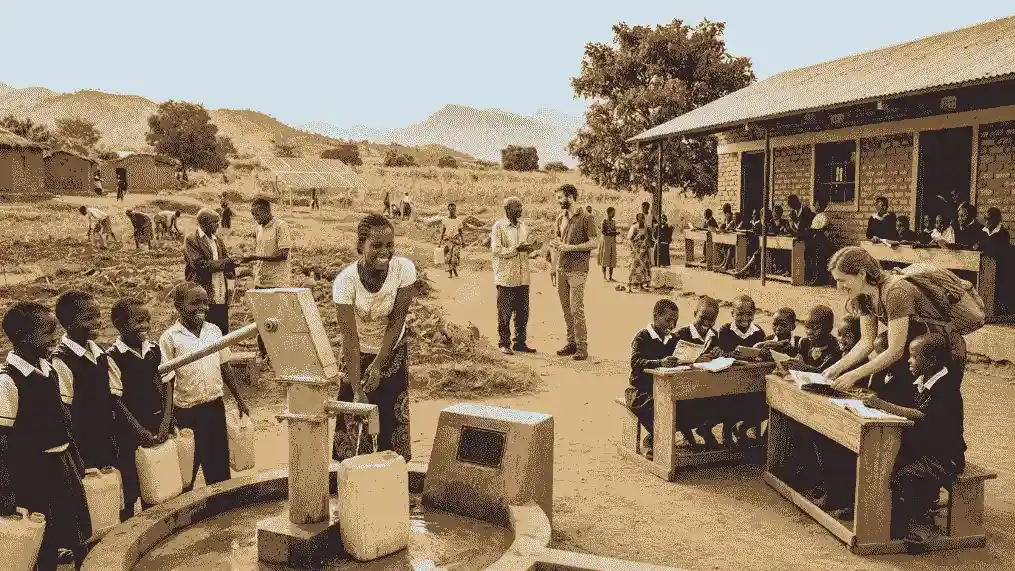
Sustainable Humanitarian Aid refers to initiatives designed to create long-term positive outcomes for individuals and communities.
Examples include:
- Educational support programs
- Water well projects
- Community development initiatives
- Vocational training programs
- Healthcare support projects
- Orphan support programs
The primary goal is to empower communities so they can improve their living conditions and become more self-reliant.
The Importance of Temporary Assistance
Temporary assistance plays a critical role during emergencies and humanitarian crises.
It helps by:
- Providing emergency relief
- Addressing urgent needs
- Supporting disaster recovery
- Delivering immediate humanitarian assistance
- Protecting vulnerable populations
Although essential, temporary aid alone may not address the root causes of long-term challenges.
Benefits of Sustainable Humanitarian Aid
Creates Long-Term Impact
Unlike short-term relief efforts, sustainable aid projects can continue benefiting communities for many years.
Promotes Self-Reliance
Sustainable initiatives help individuals develop the skills and resources needed to improve their own lives.
Strengthens Communities
Long-term development projects contribute to stronger social structures and more resilient communities.
Expands Opportunities
Educational and development programs create new opportunities for future generations.
Education as a Sustainable Solution
Education is one of the most powerful forms of Sustainable Humanitarian Aid.
Educational support helps:
- Improve literacy and knowledge
- Develop professional skills
- Increase employment opportunities
- Promote social mobility
- Strengthen future generations
Investing in education can create benefits that last for decades.
Water Well Projects and Lasting Change
Access to clean water is essential for health, education, and economic development.
A water well project can:
- Provide reliable access to clean water
- Improve public health
- Support local development
- Reduce daily hardships
- Benefit entire communities for years
This is why water well initiatives are widely recognized as sustainable humanitarian solutions.
Community Development and Social Progress
Community development projects help address long-term social and economic challenges.
These initiatives often focus on:
- Education
- Infrastructure
- Health awareness
- Social empowerment
- Economic opportunities
By strengthening local communities, sustainable aid creates lasting positive change.
HilfalFudul Foundation and Sustainable Humanitarian Aid
The HilfalFudul Foundation promotes values of justice, compassion, and human dignity through initiatives that support long-term community development.
The foundation recognizes that meaningful humanitarian work should not only respond to immediate needs but also help individuals and communities build stronger futures.
Projects focused on education, social development, and community support reflect this commitment to sustainable impact.
Building Stronger Communities for the Future
Lasting progress requires more than temporary solutions. Communities thrive when they have access to education, resources, and opportunities that support long-term growth.
Through Sustainable Humanitarian Aid, organizations and individuals can contribute to:
- Greater social stability
- Improved quality of life
- Stronger local economies
- Better educational outcomes
- Long-term community resilience
These benefits help create a more sustainable and equitable future.
Conclusion
Sustainable Humanitarian Aid is one of the most effective ways to create meaningful and lasting change. By investing in education, clean water, community development, and long-term empowerment, humanitarian efforts can improve lives for generations.
Organizations such as the HilfalFudul Foundation recognize the importance of sustainable solutions that promote dignity, opportunity, and community growth. Through these efforts, humanitarian aid becomes more than immediate relief—it becomes an investment in the future.
Frequently Asked Questions
What is Sustainable Humanitarian Aid?
Sustainable Humanitarian Aid focuses on long-term solutions that help individuals and communities improve their lives and become more self-sufficient.
Why is sustainable aid more effective than temporary assistance?
Because it addresses underlying challenges and creates lasting opportunities for growth and development.
What are examples of sustainable humanitarian projects?
Examples include educational scholarships, water well projects, community development programs, and vocational training initiatives.
How does sustainable aid benefit communities?
It promotes self-reliance, improves living conditions, strengthens communities, and supports long-term development.


