

Orphan Support Programs help vulnerable children access education, healthcare, food, and safe living conditions while creating opportunities for a brighter future.
Orphan Support Programs: How Can They Change Children’s Futures?
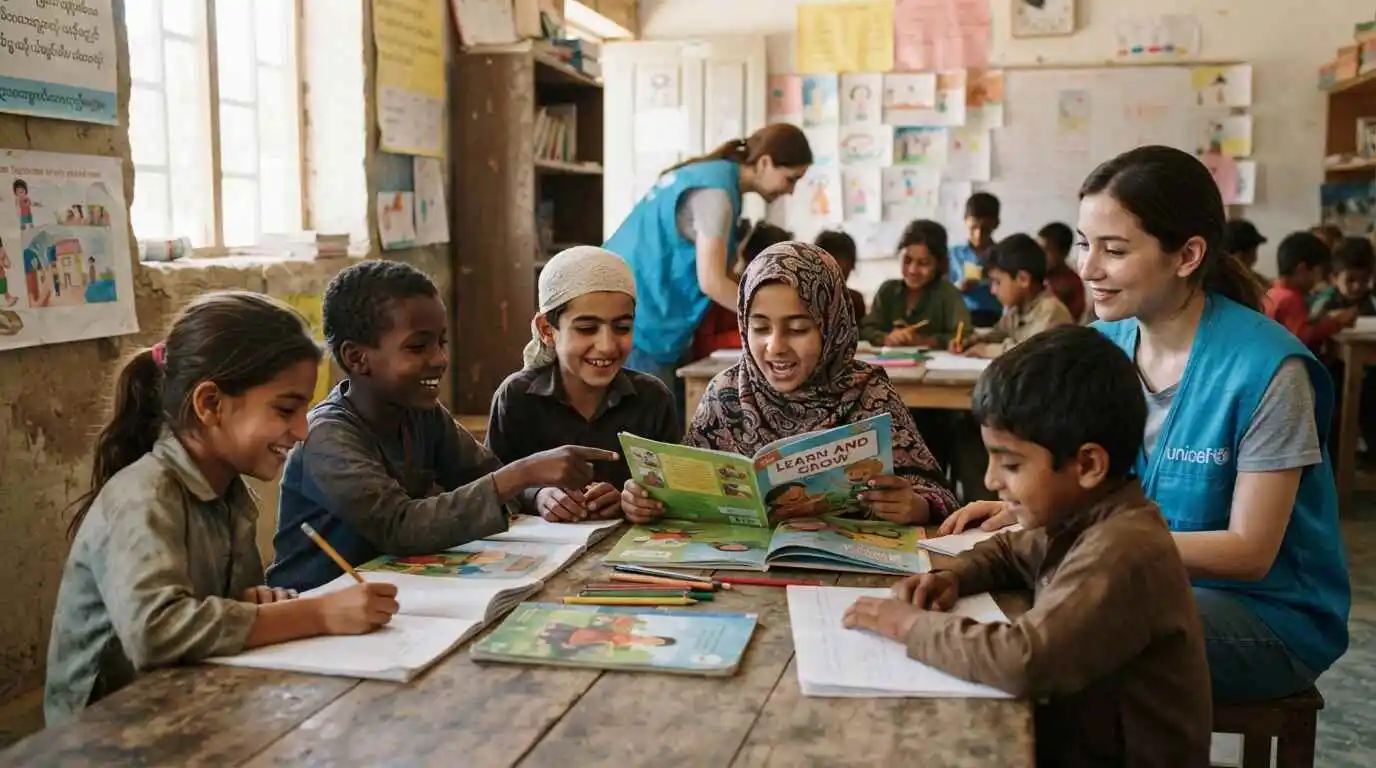
Orphan Support Programs play an important role in protecting vulnerable children and helping them build a more secure future. Children who have lost parental care may face challenges related to education, nutrition, healthcare, housing, and emotional well-being. Providing consistent support can help these children grow in a safe environment and develop the skills they need for the future.
Supporting vulnerable children is not only an act of compassion. It is also an investment in stronger families, healthier communities, and a more hopeful future.
What Are Orphan Support Programs?
Orphan Support Programs are initiatives designed to provide essential assistance to children who have lost one or both parents or who lack adequate parental care.
Depending on the program, support may include:
- Food and nutritional assistance
- Educational support
- School supplies
- Healthcare assistance
- Clothing and basic necessities
- Safe accommodation
- Social and community support
These services can help children meet their basic needs while continuing their personal and educational development.
Why Are Orphan Support Programs Important?
Children without adequate parental support can face significant social and economic challenges. Without assistance, financial difficulties may make it harder for them to remain in school or access essential services.
Orphan Support Programs can help reduce these barriers by providing reliable assistance and creating opportunities for children to continue their education and develop their potential.
The benefits may include:
- Better access to education
- Improved nutrition
- Greater access to healthcare
- Increased personal security
- Stronger opportunities for future employment
Education as a Foundation for the Future
Education can have a lasting impact on a child’s future. School provides children with knowledge, practical skills, social interaction, and opportunities to discover their interests.
Through Orphan Support Programs, children can receive educational materials and other forms of assistance that help them remain engaged with their studies.
Educational support can include:
- School fees
- Books
- Uniforms
- Stationery
- Learning materials
- Academic assistance
Supporting a child’s education today can help create greater opportunities tomorrow.
Providing Food and Basic Needs
Adequate nutrition is essential for children’s healthy development. Vulnerable children may face difficulties accessing sufficient and nutritious food.
Food assistance programs can help families and children meet their basic nutritional needs while providing greater stability in difficult circumstances.
Orphan Support Programs that address basic needs can therefore create a stronger foundation for education, development, and well-being.
Supporting Children’s Health
Access to healthcare is another important part of supporting vulnerable children. Regular healthcare and timely medical assistance can contribute to healthier childhood development.
Support may include:
- Medical examinations
- Access to essential healthcare
- Hygiene products
- Health education
- Nutritional support
A healthy child has a stronger opportunity to participate in education and community life.
Building a Safe and Supportive Environment
Children need more than food and education. They also need environments where they can feel safe, respected, and valued.
Community-based support can help children develop confidence and a sense of belonging. Compassionate assistance can also remind vulnerable children that they are part of a wider community that cares about their future.
Orphan Support Programs and Community Development
Supporting children can have an impact that extends beyond the individual. Educated and supported children can become active members of their communities as they grow older.
Investing in children can contribute to:
- Stronger communities
- Better educational outcomes
- Greater economic opportunities
- Reduced vulnerability
- Long-term social development
For this reason, child-focused humanitarian initiatives can be an important part of sustainable community development.
HilfalFudul and Support for Vulnerable Communities
HilfalFudul focuses on humanitarian values such as compassion, solidarity, dignity, and community support. Initiatives supporting vulnerable children can contribute to improving living conditions and creating opportunities for a more secure future.
How Can Individuals Support Vulnerable Children?
Individuals can contribute to child-focused humanitarian initiatives in different ways. Financial donations, educational support, volunteering, and raising awareness can all contribute to helping vulnerable children.
Even small contributions can become meaningful when they are part of organized and sustainable support programs.
Conclusion
Orphan Support Programs can help vulnerable children access essential resources, continue their education, and build confidence for the future. By supporting education, healthcare, nutrition, and safe living conditions, these programs can create opportunities that extend far beyond immediate assistance.
Supporting children today means contributing to stronger communities and a more hopeful future tomorrow.
Frequently Asked Questions
What are Orphan Support Programs?
Orphan Support Programs are initiatives that provide assistance to vulnerable children, including educational, nutritional, healthcare, and basic living support.
Why are Orphan Support Programs important?
They help reduce barriers faced by vulnerable children and provide opportunities for education, health, security, and personal development.
What types of support can children receive?
Support may include food, education, school supplies, healthcare, clothing, accommodation, and community assistance.
How does education help vulnerable children?
Education provides knowledge, skills, and opportunities that can help children build more secure and independent futures.


