

Article Body
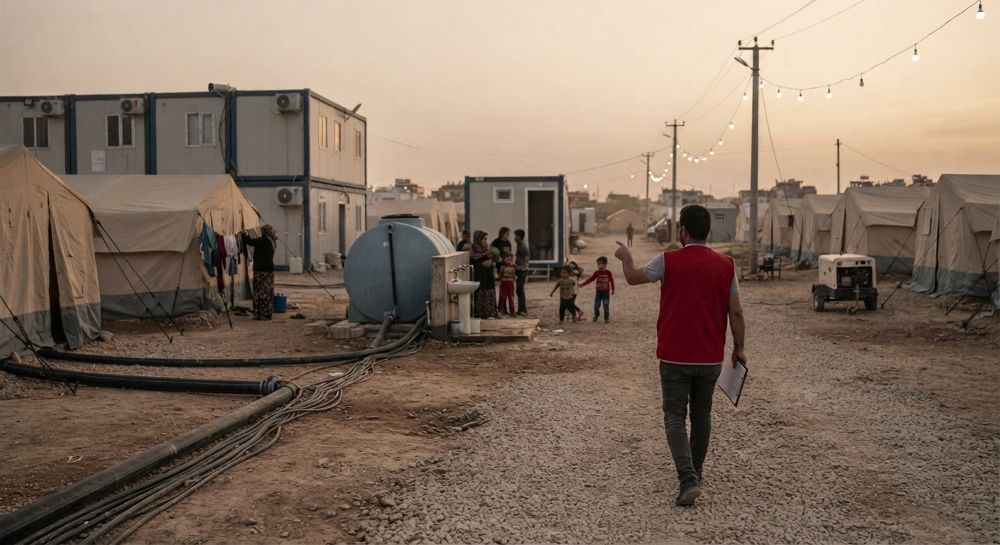
Infrastructure Needs of Tent and Container Cities
Disasters disrupt normal living conditions in affected communities rapidly. Therefore, establishing functional temporary shelter areas becomes an urgent priority during crises. Emergency response teams build tent and container cities to protect vulnerable individuals. However, providing shelter alone does not solve the long-term crisis. Temporary living spaces require robust infrastructure to maintain health, safety, and human dignity. International organizations mobilize resources immediately to build these essential facilities. Furthermore, active field cooperation strengthens the spirit of Social Solidarity among displaced families. Hilf Al-Fudul Foundation delivers technical and humanitarian aid across multiple emergency zones continuously.
First, site selection plays a decisive role in emergency planning. Engineers inspect land conditions to prevent secondary hazards like flooding. In addition, field teams clear the terrain and set up power lines. Access to clean water remains the most critical requirement in shelter management. Consequently, aid workers install water tanks and purification units without delay.
Water Supply and Sanitation Systems in Emergency Zones
Safe drinking water prevents the spread of waterborne diseases in crowded camps. For example, field technicians construct temporary plumbing networks to distribute clean water. Moreover, proper sanitation facilities protect public health in dense shelter areas. Aid groups build communal latrines and mobile shower units systematically.
- Constructing clean water distribution points near living spaces.
- Installing hygienic mobile latrines and private shower facilities.
- Setting up waste management systems for daily garbage collection.
- Distributing hygiene kits and cleaning supplies to families.
Regular maintenance ensures these facilities remain operational during prolonged crises. As a result, families maintain basic personal hygiene standards in difficult conditions. Furthermore, organized sanitation reduces health risks significantly across temporary settlements. Hilf Al-Fudul Foundation monitors environmental hygiene protocols daily to protect camp residents.
Energy Distribution and Heating Requirements
Power supply powers vital machinery and lights up dark camp surroundings. Consequently, electrical grids enhance safety and allow daily activities after sunset. Teams install solar panels and generators to provide continuous electricity. In addition, heating systems protect residents from extreme weather conditions during winter months.
Proper insulation inside tents and containers reduces heat loss effectively. Therefore, aid agencies distribute winterization kits containing thermal blankets and stoves. However, fire safety measures must accompany heating equipment installations. Field supervisors conduct regular safety checks to prevent accidental fires.
In addition, lighting public pathways deters crime and increases overall security. Thus, women and children move around the facility with greater confidence. Reliable energy networks transform temporary camps into safer living spaces.
       [Central Camp Management]
                  │
       ┌──────────┴──────────┐
       ▼                     ▼
[Water & Sanitation]  [Energy & Heating]
       │                     │
       └──────────┬──────────┘
                  ▼
   [Essential Infrastructure]
Logistics, Supply Chains, and Site Organization
Efficient logistics systems keep shelter areas functional over extended periods. For instance, warehouses store food parcels, medical supplies, and emergency kits locally. Clear supply routes ensure smooth deliveries without bottleneck delays. Moreover, field managers organize distribution points to prevent overcrowding.
- Site Planning: Designing wide access roads for supply trucks and ambulances.
- Resource Allocation: Inventorying supplies systematically to prevent shortages.
- Community Access: Organizing distribution hubs near central residential zones.
- Facility Maintenance: Repairing broken infrastructure components promptly.
Coordinated distribution protects human dignity and maintains order during relief operations. Consequently, families receive essential items in a fair and organized manner. Furthermore, effective logistics maximize the impact of every donation received from supporters worldwide. Hilf Al-Fudul Foundation maintains rigorous logistics standards across all operational regions.
Community Support and the Power of Social Solidarity
Physical infrastructure forms the skeleton of temporary shelter areas. However, social support services provide the emotional strength required for recovery. Field specialists offer psychological aid to help individuals process trauma. In addition, educational spaces allow children to continue their learning journeys.
Active community involvement creates hope and resilience inside shelter zones. For example, local volunteers assist field teams in organizing community events. This collaborative environment demonstrates how Social Solidarity brings people together during hardships. Furthermore, dedicated volunteering efforts strengthen social unity and mutual trust among camp residents.
Support programs empower individuals to rebuild their daily routines step by step. Consequently, displaced communities gain confidence and prepare for future permanent housing. Hilf Al-Fudul Foundation remains committed to holistic humanitarian aid that addresses both physical and emotional needs.
Long-Term Rehabilitation and Building Sustainable Futures
Emergency relief operations gradually transition into long-term recovery initiatives. Therefore, humanitarian organizations plan sustainable projects to help communities recover fully. Vocational training programs offer adults new skill sets for economic independence. In addition, educational centers provide young students with structured learning environments.
Broad participation from global supporters ensures the continuity of these vital programs. Thus, transparent reporting keeps donors informed about project outcomes and field progress. Sustained action protects vulnerable groups and promotes long-term social stability. Hilf Al-Fudul Foundation serves displaced populations without any discrimination.
You can support these life-saving infrastructure projects today. Indeed, your financial contribution fuels clean water installations and emergency shelter construction. Furthermore, joining our field campaigns helps us reach more families in urgent need. In conclusion, advancing Social Solidarity requires united efforts from compassionate people everywhere.


