

Humanitarian Aid for Psychological First Aid
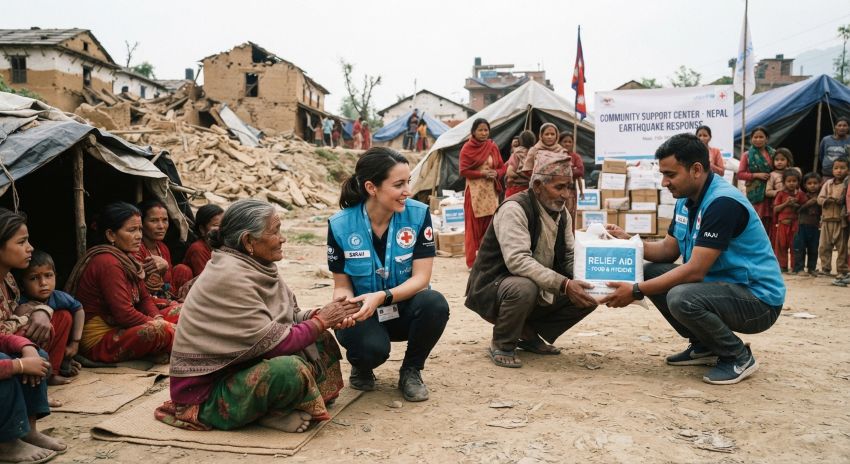
Humanitarian Aid for Trauma Recovery & Hope
Disasters can affect people far beyond physical loss and displacement. Survivors may experience fear, confusion, grief, stress, or difficulty feeling safe. Humanitarian Aid therefore needs to address both physical and emotional needs. Psychological first aid offers practical support during the first stages of a crisis. In addition, trauma rehabilitation can help survivors rebuild stability over time. Hilf Al-Fudul Foundation supports vulnerable communities through a compassionate and inclusive humanitarian approach.
Why Humanitarian Aid Should Include Mental Health
A disaster can disrupt nearly every part of daily life. People may lose homes, belongings, income, routines, or loved ones. These experiences can create intense emotional stress, especially during the early crisis period. Therefore, emergency assistance should consider psychological wellbeing alongside physical needs. Food, water, shelter, and medical care remain essential priorities. However, emotional support can also help people cope with sudden changes.
Psychological first aid does not mean providing therapy immediately. Instead, trained helpers offer calm, practical, and respectful support. They listen without forcing survivors to describe painful experiences. They also help people identify immediate needs and available resources. This approach respects personal boundaries and different ways of coping. Moreover, it avoids treating normal reactions as signs of illness.
Psychological First Aid After a Disaster
Psychological first aid focuses on safety, calm, connection, and practical support. A trained helper can begin by creating a safe and respectful environment. They can then ask simple questions about immediate needs. The helper should listen carefully without making promises they cannot keep. They can also connect survivors with family members and appropriate services.
Several principles can guide psychological first aid:
- Ensure safety: Help people move toward safer surroundings.
- Listen respectfully: Give survivors space without demanding personal details.
- Address practical needs: Identify urgent concerns involving food, shelter, or family.
- Strengthen connections: Help people reconnect with trusted relatives or community members.
- Provide clear information: Share reliable guidance in simple and accessible language.
- Refer when needed: Connect people with qualified mental health professionals.
These steps can support survivors without replacing professional mental healthcare. Some people may need specialized assessment or ongoing treatment. Others may recover gradually with family, community, and practical support. Each person responds differently to a traumatic event. For this reason, humanitarian teams should avoid one-size-fits-all approaches.
Humanitarian Aid and Trauma Rehabilitation
Psychological first aid usually addresses immediate needs. Trauma rehabilitation takes a longer view of recovery. Some survivors may continue experiencing distress weeks or months after a disaster. They may struggle with sleep, concentration, relationships, or everyday activities. Others may avoid reminders of the event or feel constantly alert. These reactions can affect children, adults, older people, and caregivers differently.
Trauma rehabilitation should therefore follow the survivor’s needs and circumstances. Qualified professionals can provide appropriate psychological assessment and support. Community-based activities can also help restore routine and social connection. Safe learning spaces may support children after displacement or disruption. Family support can help create stability during uncertain periods.
A responsible Humanitarian Aid program recognizes these different stages. It does not promise instant recovery or use exaggerated emotional messages. Instead, it combines immediate assistance with appropriate referrals and longer-term support. This balanced approach can help communities regain a sense of stability. Ultimately, recovery requires patience, dignity, and consistent care.
Supporting Children After Traumatic Events
Children can respond to disasters in ways that differ from adults. Some children may become unusually quiet or withdrawn. Others may show anger, anxiety, sleep difficulties, or changes in behavior. These reactions do not always indicate a mental health disorder. However, significant or persistent changes deserve careful attention.
Adults can support children by restoring predictable routines where possible. Simple activities can provide a sense of normality after disruption. Safe spaces can also allow children to play and interact with others. Caregivers should answer questions honestly using age-appropriate language. They should avoid exposing children to unnecessary details or distressing information.
Humanitarian Aid for children should protect their dignity and safety. It should also consider education, family relationships, nutrition, and protection needs. These areas often connect closely with emotional wellbeing. Therefore, child-focused recovery requires cooperation between humanitarian and professional services.
Community Support and the Role of Volunteers
Recovery rarely happens through one organization alone. Families, local communities, professionals, volunteers, and aid organizations can work together. Local knowledge can help humanitarian teams understand cultural and social needs. Community members can also identify vulnerable people who might otherwise remain unseen.
Volunteering can strengthen these efforts when volunteers receive suitable guidance. Volunteers can help distribute information, organize activities, and support community outreach. They should understand their limits and avoid providing professional therapy without training. Respect for privacy and personal boundaries also remains essential.
Volunteers can contribute in practical ways, such as:
- Supporting community activities and safe spaces.
- Helping families access reliable information.
- Assisting with humanitarian distributions.
- Directing people toward qualified professional services.
- Supporting children through structured recreational activities.
- Helping organizations communicate respectfully with affected communities.
This form of volunteering can complement professional services without replacing them. It also encourages communities to participate in their own recovery.
How Donations Strengthen Psychological Support
Emergency mental health services require trained people, safe spaces, transportation, communication, and coordination. These resources often become harder to access after a major disaster. Donations can help humanitarian organizations maintain essential response activities. Financial support can contribute to broader emergency programs and community-based assistance.
A responsible donation model should prioritize transparency and accountability. Donors deserve clear information about how organizations use their support. Humanitarian organizations should also respect the dignity and privacy of survivors. They should avoid presenting affected people only through images of suffering. Instead, communication can highlight resilience, needs, and practical solutions.
At Hilf Al-Fudul Foundation, humanitarian support follows an inclusive approach. The Foundation works without discrimination based on religion, language, or ethnicity. Its activities include emergency assistance, education support, water well projects, and sacrifice campaigns. The Foundation operates across more than 12 countries, supporting communities facing different challenges.
A Dignified Approach to Trauma Recovery
Psychological support should always respect human dignity. Survivors are not simply recipients of assistance. They remain individuals with choices, relationships, skills, and hopes for the future. Humanitarian teams should therefore involve communities whenever possible.
Clear communication can also strengthen trust. People need accurate information about available services and realistic expectations. Aid workers should avoid making promises that circumstances cannot guarantee. They should also protect confidential information and respect cultural differences.
Faith and spirituality may provide comfort for some survivors. However, humanitarian support should respect different beliefs and personal choices. A sensitive approach can acknowledge spiritual needs without imposing religious interpretations. This principle aligns with inclusive humanitarian practice.
Building Hope Through Long-Term Support
Disaster recovery does not end when emergency distributions finish. Communities may need continued support as they rebuild homes, education, livelihoods, and social connections. Mental health can remain part of this longer recovery process. Therefore, Humanitarian Aid should consider both immediate response and sustainable recovery.
Support can take many forms depending on local circumstances. Professional mental health referrals may benefit some survivors. Community activities may help others reconnect with familiar routines. Education programs can restore structure for children and young people. Livelihood support can reduce some pressures that follow displacement or loss.
The most effective response begins by listening to affected communities. It then connects practical assistance with appropriate psychological support. This approach recognizes both immediate needs and long-term recovery. Most importantly, it gives survivors space to regain control over their lives.
Supporting Survivors Through Humanitarian Aid
Psychological first aid can provide valuable support during the difficult period following a disaster. Trauma rehabilitation can then help some survivors address longer-term challenges. Together, these approaches create a more complete humanitarian response. Humanitarian Aid should protect physical safety while also recognizing emotional wellbeing.
Hilf Al-Fudul Foundation works to support vulnerable communities with dignity and compassion. Its international humanitarian activities reach communities across more than 12 countries. Through donations and volunteering, individuals can contribute to this broader culture of solidarity. Every responsible contribution can help humanitarian teams respond to real needs. Ultimately, recovery becomes stronger when communities receive practical, respectful, and sustained support.


