

How Orphan Support Programs Work

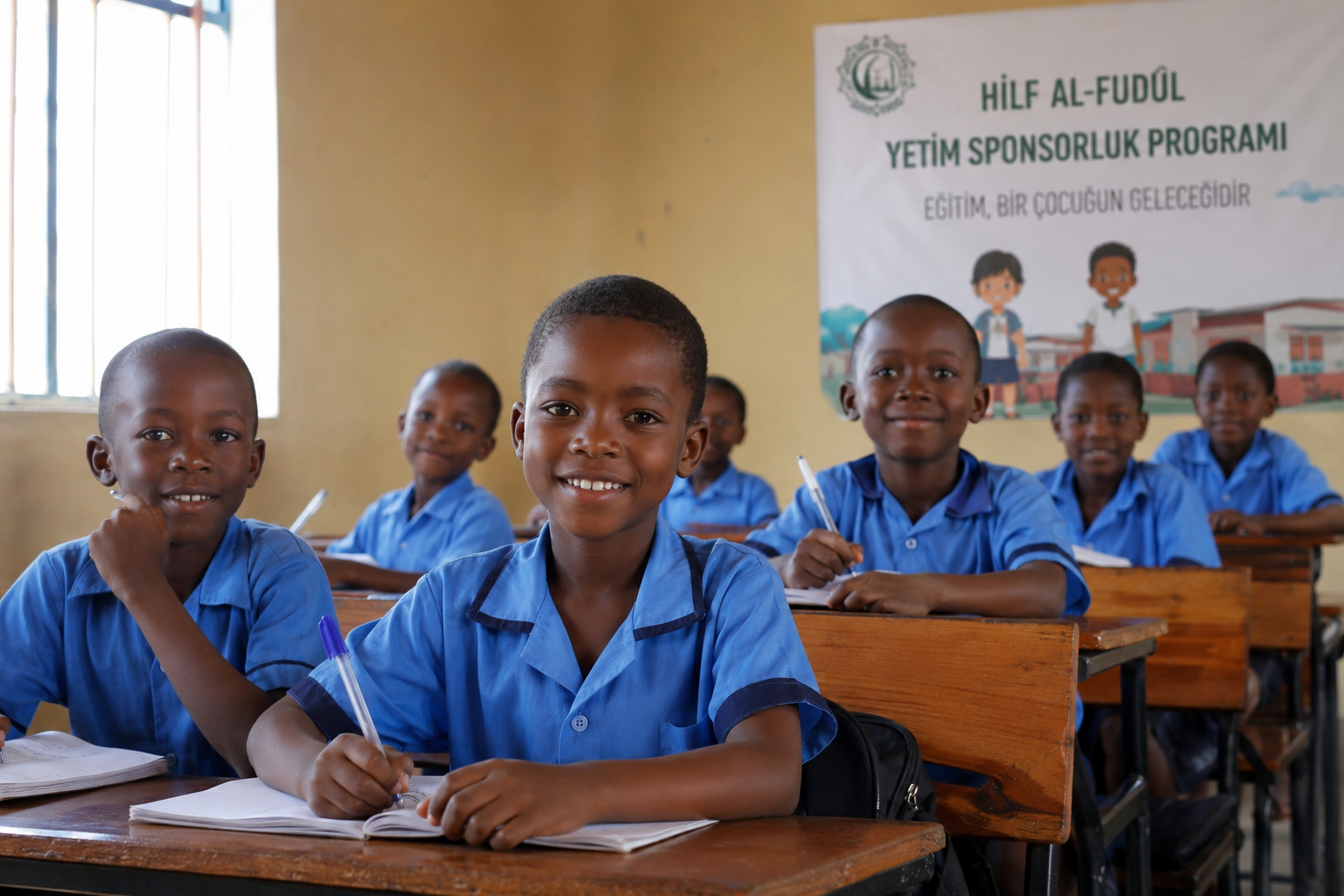
When a child grows up without one or both parents, everyday challenges can become more difficult to manage. Access to education, healthcare, nutritious food and a safe environment may require additional support. Orphan Support Programs aim to address these needs through organized, responsible and long-term humanitarian assistance. It means helping children access opportunities that can contribute to their education, well-being and future. Moreover, responsible humanitarian work should protect each child’s dignity while respecting the family and community around them. Therefore, understanding how orphan sponsorship works can help donors and volunteers make informed and meaningful contributions.
What Are Orphan Support Programs?
Orphan Support Programs are humanitarian initiatives designed to assist children who have lost parental care or who face significant hardship following the loss of a parent. These programs can provide different forms of assistance depending on the child’s circumstances and the conditions of the community.
Support may include educational expenses, school materials, food, clothing, healthcare and other essential needs. However, effective orphan support does not treat every child in exactly the same way. Each family has different circumstances, and local economic and social conditions can influence what kind of assistance a child needs.
For this reason, reputable humanitarian organizations assess needs before developing an appropriate support plan. They can then direct available resources toward areas that make a practical difference in the child’s daily life.
The principle is simple: children should have the opportunity to grow, learn and develop in a safe and supportive environment, regardless of the circumstances into which they were born.
How Does Orphan Sponsorship Work?
Orphan sponsorship generally connects individuals or families who want to help with an organized humanitarian program. Rather than providing assistance without a defined structure, the organization manages donations according to the needs and objectives of the sponsorship program.
First, the organization identifies children and families who may require support. Local partners, community networks and humanitarian teams can help organizations understand household circumstances and identify appropriate beneficiaries.
Next, the organization evaluates the child’s needs. Education, food, healthcare, clothing and other basic requirements may all form part of this assessment. The organization then develops a support approach based on available resources and local priorities.
A typical sponsorship process may include:
- Identifying children who need additional support.
- Assessing household and community circumstances.
- Determining educational and basic needs.
- Allocating donor contributions according to the program structure.
- Providing regular assistance.
- Monitoring changing needs where appropriate.
- Communicating with donors while protecting children’s privacy.
This process helps turn individual generosity into an organized humanitarian effort. Furthermore, it allows organizations to respond to changing circumstances rather than treating sponsorship as a one-time transaction.
What Can an Orphan Sponsorship Include?
The content of an orphan sponsorship program can vary according to the organization, country and individual circumstances. Nevertheless, several areas commonly receive attention.
Education and School Support
Education can play an important role in a child’s long-term development. Yet attending school often requires more than simply having access to a classroom.
Children may need school uniforms, books, stationery, transportation or other educational materials. In some communities, families may also struggle with costs associated with continuing education.
An orphan sponsorship program can help reduce some of these barriers. By supporting education, donors can contribute to an environment where children have greater opportunities to continue learning and develop useful skills.
The objective is not simply to provide school materials. It is to help create conditions in which education becomes a realistic and sustainable part of a child’s life.
Food and Essential Needs
Basic needs remain an important part of humanitarian assistance. Food, clothing, hygiene supplies and other everyday necessities can become difficult to afford when a household has limited financial resources.
Regular support can help families manage some of these challenges. However, responsible organizations should consider the family’s wider circumstances rather than focusing on a single need.
For example, providing educational materials may have little long-term value if a child cannot regularly attend school because the family faces more urgent challenges. Effective support therefore requires a balanced understanding of the child’s situation.
Healthcare
Children need access to appropriate healthcare as they grow. However, financial difficulties can sometimes make it harder for families to respond to medical needs.
Depending on the structure of a sponsorship program, assistance may contribute to certain healthcare-related expenses. Such support can help reduce financial barriers when children require medical attention.
At the same time, humanitarian organizations should work within appropriate healthcare systems and professional standards. Sponsorship should complement access to healthcare rather than replace qualified medical services.
Emotional and Social Well-Being
Material assistance represents only one part of supporting a child. Children also need stability, care, education and a sense of belonging.
Therefore, responsible Orphan Support Programs should avoid presenting children only through stories of hardship. Humanitarian communication should preserve their dignity and recognize them as individuals with abilities, interests and aspirations.
Families, caregivers, schools and local communities can all contribute to a supportive environment. When assistance works alongside these existing relationships, it can become more respectful and sustainable.
Why Is Regular Sponsorship Important?
One-time assistance can help address an urgent need. Regular sponsorship, however, can provide greater continuity.
Children have ongoing educational and basic needs. School expenses return each academic year, clothing needs change with age and healthcare requirements can arise unexpectedly. Families may also face changing economic circumstances.
Consequently, regular donation can help humanitarian organizations plan their programs more effectively. Predictable support can allow organizations to allocate resources according to established priorities and maintain assistance over a longer period.
This does not mean that one-time donations lack value. Emergency contributions can become particularly important during crises. Rather, regular sponsorship offers another way to create continuity within a broader humanitarian support system.
What Should You Look for in an Orphan Sponsorship Program?
Choosing an organization to support is an important decision. Emotional stories can attract attention, but donors should also consider how a humanitarian program actually operates.
A responsible sponsorship program should place several principles at the center of its work:
- Child dignity: Communication should respect children and avoid exploitative representations.
- Transparency: Organizations should clearly explain the general purpose of donations.
- Accountability: The organization should maintain responsible systems for managing humanitarian resources.
- Continuity: Programs should consider both immediate and recurring needs.
- Local understanding: Support should reflect local cultural, economic and social circumstances.
- Privacy: Children’s personal information should receive appropriate protection.
- Sustainability: Where possible, assistance should contribute to education, development and future opportunities.
These principles help donors evaluate humanitarian organizations based on more than promotional messages. They also encourage a culture of responsible giving.
How Can Donations Help Orphan Support Programs?
A donation can become part of a wider system of assistance when an organization manages resources responsibly. Instead of viewing a donation as an isolated act, it can be understood as a contribution to a program designed around identified needs.
For example, a donation may contribute to educational assistance, essential supplies or broader family support depending on the organization’s program structure. Organizations may also combine contributions from multiple donors to manage programs efficiently.
This pooled approach can provide flexibility. If one need becomes more urgent, available resources may help organizations respond according to program priorities.
Donors should therefore understand the terms and structure of the program they support. Clear communication helps establish realistic expectations and strengthens trust between humanitarian organizations and supporters.
Can Volunteering Support Orphan Programs?
Financial assistance is not the only way people can contribute. Volunteer can also support humanitarian organizations by providing time, skills and community awareness.
Depending on the organization’s needs, volunteers may assist with fundraising activities, educational projects, awareness campaigns, communication work or community events.
However, working directly with children requires particular responsibility. Organizations should maintain appropriate safeguarding procedures and establish clear boundaries for volunteer involvement.
The well-being and privacy of children must always come first. Volunteering should therefore complement professional humanitarian work rather than create unnecessary risks or disruption.
Even when volunteers do not work directly with children, their contribution can still be valuable. Helping raise awareness about responsible giving can encourage more people to learn about humanitarian needs and support credible programs.
Why Should Orphan Support Focus on the Future?
Humanitarian assistance often begins with an immediate need, but its broader purpose can look toward the future.
A child who receives educational support may gain access to opportunities that would otherwise be difficult to reach. A family that receives consistent assistance may have more stability while addressing other challenges. A community that receives sustained support may gradually strengthen its capacity to respond to local needs.
Of course, sponsorship alone cannot resolve every social or economic challenge. Poverty, displacement, limited access to education and healthcare and economic instability often have complex causes.
Nevertheless, well-designed programs can make a practical contribution. They can help children access basic resources while creating opportunities for education and personal development.
This long-term perspective is one of the most important aspects of responsible orphan sponsorship. The question should not only be, “How can we help this child today?” It should also be, “How can our support contribute to a safer and more hopeful future?”
Supporting Children With Dignity
The purpose of an orphan sponsorship program should never be to define a child by hardship. Every child has abilities, interests, hopes and potential.
Therefore, humanitarian organizations should communicate about orphan support with care. Photographs, stories and updates should respect privacy and dignity while helping donors understand the purpose of their contributions.
Moreover, donors and volunteers become part of a wider community of support. Their contributions can help organizations continue educational, humanitarian and emergency programs in different communities around the world.
Conclusion: A Practical Way to Make a Difference
Support Programs provide a structured way to support children who face difficult circumstances. Through education, essential needs, healthcare assistance and longer-term support, these programs can contribute to children’s well-being and development.
Regular sponsorship can provide continuity, while one-time donation can help organizations respond to specific needs and emergencies. At the same time, volunteering offers another meaningful way to contribute time, skills and awareness.
Ultimately, responsible orphan sponsorship combines compassion with accountability. It respects children’s dignity, considers local circumstances and focuses not only on immediate assistance but also on future opportunities.


