
A Water Well Can Change Many Lives

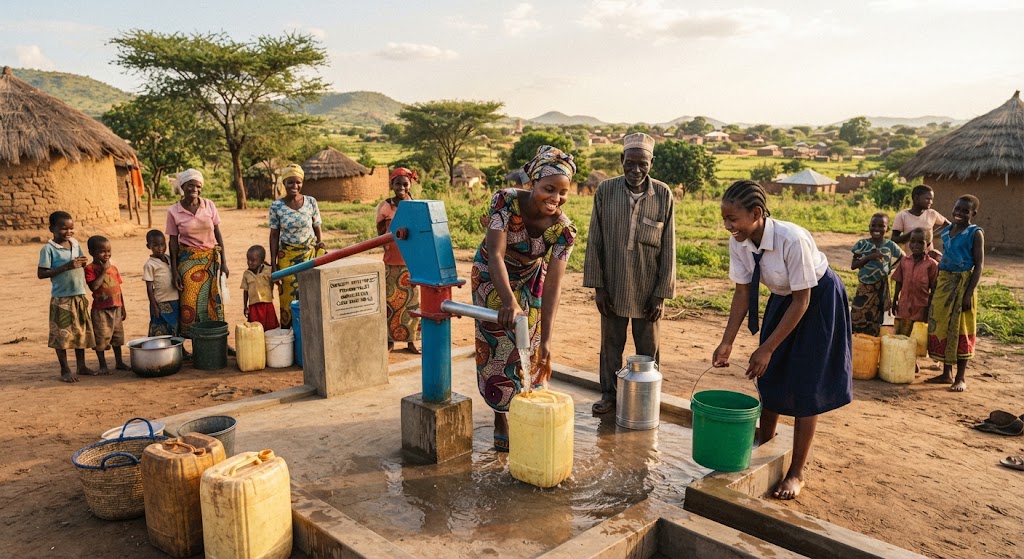
Clean water supports every part of human life. Yet many communities still struggle to reach reliable water sources. A Water Well can bring meaningful change to these communities. First of all, reliable water can make daily routines safer and easier. In addition, easier access can create more time for education and work.
Why Does a Water Well Matter?
Water supports drinking, cooking, cleaning, and personal hygiene. Therefore, access to water directly affects everyday life. However, some communities travel long distances to find suitable water sources. This journey can take valuable time from families and children. Moreover, distant sources may not always provide reliable access.
A nearby water source can change this daily routine. Families can spend less time searching for water. Children may gain more time for school and study. Adults can focus more on work and family responsibilities. As a result, one water project can support several areas of community life.
Nevertheless every community has different needs and conditions. The impact of a water well depends on local circumstances. Population size, geography, and water access all matter. For this reason, responsible planning remains essential for every project.
How Many People Can One Water Well Help?
Many people ask an important question about water projects. How many lives can one water well actually change? There is no universal number for every water project. The answer depends on the community and its specific needs. Local population size can strongly influence the number of users.
The location of the well also affects its potential reach. A well near a large community may serve many families. Another well may support a smaller rural settlement. Therefore, responsible organizations should avoid unsupported beneficiary numbers.
The impact can also extend beyond direct water users. Families may gain more time for productive activities. Children may spend more time attending school. Communities may also develop stronger daily routines around shared resources. In this sense, one well can create wider social benefits.
What Influences a Water Well’s Impact?
Several factors can shape the long-term value of a water project:
- The size of the local population
- The distance to existing water sources
- Local geographical conditions
- The community’s daily water needs
- The sustainability of the water source
- The technical design of the project
- Local maintenance and usage conditions
Therefore, numbers alone cannot explain the full impact. The surrounding circumstances provide essential context.
How Can Clean Water Change Daily Life?
Clean water can simplify many ordinary activities. Families need water for cooking and personal hygiene. They also need reliable sources for household routines. When water remains far away, these activities require additional time.
First, a closer water source can reduce daily travel. Then, families can use their time more efficiently. Children may have more time for school activities. Adults may gain additional time for work or household responsibilities.
Moreover easier water access can support community stability. People can plan their days with greater certainty. They may also reduce the time spent searching for suitable sources. These changes may appear small at first. However, repeated daily improvements can create meaningful long-term benefits.
Importantly water projects cannot solve every community challenge. They can, however address one essential need. They can also support other development and humanitarian efforts. As a result, water access can become part of a broader support system.
The Connection Between Water and Education
Water access can influence education in several ways. In some communities, children help their families collect water. This responsibility can take valuable time from their daily routines. Long journeys can also make regular school attendance more difficult.
A closer water source can reduce some of these pressures. Children may have more time for school and homework. Families may also have more predictable daily schedules. Consequently, water access can indirectly support educational opportunities.
However a water well alone cannot solve educational challenges. Schools still need teachers, materials, facilities, and support. Yet meeting basic needs can create better conditions for learning.
How Can a Donation Create Lasting Impact?
A donation can support humanitarian projects when organizations use resources responsibly. Water projects require planning, technical assessment, and community consideration. Therefore, donors should understand how organizations manage their projects.
Transparency plays an important role in this process. Donors deserve clear information about project goals and implementation. They should also know how their support contributes to humanitarian work. This approach strengthens trust between donors and organizations.
A responsible water project should consider long-term use. Opening a well represents only one part of the process. Communities also need suitable infrastructure and practical maintenance solutions. Local conditions should guide these decisions.
Why Does Volunteering Matter?
Humanitarian support does not depend only on financial contributions. Volunteering can also strengthen community-based assistance. People can contribute their time, skills, and communication abilities. They can also help others understand important humanitarian needs.
For example, volunteers can share reliable campaign information. They can support awareness activities within their communities. They can also encourage others to participate in charitable initiatives. These actions can help humanitarian organizations reach wider audiences.
Furthermore, volunteering can strengthen a culture of solidarity. People begin to see humanitarian support as a shared responsibility. One person’s effort can inspire another person’s contribution. Consequently, small actions can connect people around a common purpose.
A Water Well Means More Than Water
A water well provides access to an essential resource. However, its significance can extend beyond the water source itself. A nearby source can save time during everyday activities. That time can support education, work, family life, and community activities.
Consider a rural family living far from a reliable source. Every journey to collect water requires time and physical effort. A closer source can reduce that daily burden. Children may then have more time for school. Adults may gain more time for work and family responsibilities.
This example does not promise identical results everywhere. Each community has different circumstances and priorities. Nevertheless, it shows why water projects deserve careful consideration.
A well can also become a shared community resource. Families can organize their daily routines around reliable access. Communities can gain greater confidence in meeting basic needs. Therefore, water access can support dignity alongside practical needs.
Supporting Sustainable Water Access
Humanitarian work requires more than immediate solutions. Sustainable projects should consider the community’s future needs. This principle matters especially for water infrastructure.
Before supporting a project, organizations need to understand local conditions. They should consider geography, water availability, and community needs. They should also consider technical requirements and long-term use.
For donors, this means looking beyond a campaign’s headline. Transparency and responsible project management should matter. Clear communication can help donors understand their contribution. It can also strengthen confidence in humanitarian organizations.
Hilf Al-Fudul Foundation approaches humanitarian work through solidarity and responsibility. Its projects aim to support people facing difficult living conditions. Water well initiatives form an important part of this humanitarian effort.
How Many Lives Can One Water Well Change?
There is no single answer to this question. One well may serve a smaller rural community. Another may reach many families in a larger settlement. The actual number depends on local conditions and project design.
Yet the impact should not depend only on a beneficiary count. Time saved can also represent meaningful change. Educational opportunities can represent another form of impact. Easier daily routines can support dignity and stability.
In addition, one project can encourage broader solidarity. A donor contributes resources to a humanitarian purpose. A volunteer contributes time and awareness. The local community contributes participation and shared responsibility.
Ultimately, a water well represents more than infrastructure. It can support access, time, dignity, and opportunity. Most importantly, it can help communities meet a fundamental human need.
A Shared Responsibility for Clean Water
Access to clean water remains a fundamental humanitarian concern. Supporting water projects can contribute to practical and lasting change. However, every project requires careful planning and responsible implementation.
First, communities need solutions that match their actual circumstances. Next, organizations need transparent and responsible project management. Finally, donors and volunteers can strengthen these efforts through solidarity.
Hilf Al-Fudul Foundation continues its humanitarian activities across different communities. Its work includes water wells and other forms of humanitarian assistance. The foundation aims to stand beside people facing difficult circumstances.
A donation can support a water project, while volunteering can strengthen humanitarian outreach. Together, these contributions can help build a culture of meaningful solidarity.


