

Orphan Support Programs: Education Should Reach Every Child

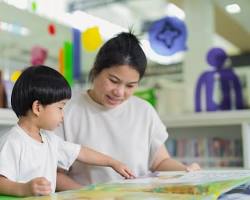
Education gives children knowledge, confidence, and opportunities for the future. Yet some children face serious barriers to continuing their education. Orphaned children may experience additional financial and social challenges. Therefore, access to education deserves special attention and meaningful support. Orphan Support programs can help address some of these challenges.
First of all, education involves more than attending school every day. Children also need appropriate learning materials and stable support. In addition, families may struggle with school-related expenses during difficult periods. A child may need books, stationery, clothing, transportation, or other educational essentials. Consequently, timely assistance can help children remain connected to their education. Moreover, consistent support can strengthen their confidence during challenging circumstances. Education support therefore represents an important part of humanitarian solidarity.
How Orphan Support Programs Support Education
Orphan Support Programs can address different needs throughout a child’s educational journey. These needs may change according to the child’s age and circumstances. For example, younger children may need basic school supplies. Older students may require educational materials that support more advanced learning. In some situations, families may also need assistance with transportation or other school-related costs. Each situation requires careful attention rather than a one-size-fits-all approach. This understanding helps humanitarian organizations direct support toward genuine needs.
Furthermore, educational support can contribute to a child’s wider development. School provides opportunities to learn, communicate, and build relationships. Children also develop important skills through interaction with teachers and classmates. These experiences can influence their confidence and sense of belonging. Therefore, supporting education means supporting more than academic progress. It can also help children develop skills for their future lives. Such support can create opportunities that continue long after a single donation.
The Role of bağış in Educational Support
A donation can help provide resources that children need for their education. The value of a donation does not depend only on its financial amount. Instead, its impact also depends on how responsibly organizations use available resources. A timely contribution can help meet an important educational need. Regular giving can also help organizations plan support more effectively. Consequently, sustainable donations can strengthen long-term humanitarian programs. This approach allows assistance to respond to needs with greater consistency.
Consider a simple example. A child may want to continue attending school despite difficult family circumstances. However, basic educational expenses may create an additional burden. Appropriate assistance can help reduce that burden and support continued attendance. The child can then focus more fully on learning and personal development. This example does not require dramatic stories to show the value of solidarity. Sometimes, meaningful support begins with meeting an ordinary but important need.
Why Consistent Educational Support Matters
Educational needs rarely disappear after a single school day or school term. Children continue learning throughout the academic year. Their needs can also change as they progress through different grades. For this reason, humanitarian support should consider continuity whenever possible. Consistent assistance can help children maintain their connection with education. It can also help organizations understand changing needs more effectively. As a result, long-term planning becomes an important part of responsible humanitarian work.
In addition, continuity can give children a greater sense of stability. Children facing difficult circumstances may already experience uncertainty in their daily lives. Reliable educational support can provide one area of greater consistency. It can encourage children to continue learning and developing their abilities. Of course, every child’s circumstances remain unique. Therefore, support should always respect individual needs and local conditions.
Education Creates Opportunities for the Future
Education can expand a child’s opportunities over time. It helps children develop knowledge, communication skills, and problem-solving abilities. Moreover, learning can introduce children to subjects and careers they may not know today. A student may discover an interest in science, technology, languages, arts, or other fields. That discovery can influence future educational choices. Therefore, supporting education can contribute to a child’s long-term development.
However, education should never become a promise of a specific future outcome. Every child follows a different path. Humanitarian organizations can provide opportunities, but children ultimately shape their own journeys. This distinction creates a respectful approach to educational support. It recognizes children as individuals with abilities, aspirations, and potential. Consequently, assistance should strengthen opportunities without defining a child’s future for them.
Volunteer Strengthens Humanitarian Solidarity
Volunteer offers another meaningful way to support children and humanitarian programs. Volunteers can contribute their time, skills, communication, and community connections. They can also help raise awareness about educational challenges. Sharing reliable information can encourage more people to participate in humanitarian efforts. Furthermore, volunteers can help strengthen connections between communities and charitable organizations. This wider participation can make solidarity more sustainable.
Volunteering does not always require a large time commitment. People can contribute according to their abilities and circumstances. Some may help with awareness campaigns. Others may support organizational activities or community events. Every contribution should respect the dignity and privacy of children. In particular, humanitarian communication should avoid presenting children only through hardship. Respectful storytelling protects dignity while still explaining why support matters.
Transparency Builds Trust in Donations
Responsible humanitarian work requires more than good intentions. It also requires transparency, accountability, and careful planning. Donors want to understand how organizations approach the needs they address. Clear communication helps create trust between donors and humanitarian organizations. It also encourages people to make informed decisions about their support. Therefore, transparency should remain a central part of charitable work.
Supporting Education With Dignity and Hope
Helping orphaned children access education means supporting their ability to shape their futures. Yet effective support requires more than financial assistance alone. It requires understanding needs, respecting dignity, and maintaining responsible practices. Orphan Support Programs can bring these principles together through structured humanitarian support. Meanwhile, donation can provide valuable resources for educational needs. Likewise, Volunteer can expand awareness and strengthen community participation.
First, we should recognize education as a fundamental opportunity for every child. Next, we should support practical solutions that address real educational needs. In addition, we should encourage sustainable forms of humanitarian solidarity. Finally, we should protect children’s dignity throughout every stage of support. As a result, assistance can become more meaningful and responsible. A contribution today can help a child continue learning tomorrow.
A Shared Responsibility for Children’s Education
Every child deserves the opportunity to learn, develop, and imagine a future. Some children need additional support to access that opportunity. Orphaned children may face circumstances that make educational continuity more difficult. Humanitarian organizations, donors, and volunteers can respond through responsible solidarity. Together, they can help reduce barriers without making unrealistic promises. They can also support children while respecting their privacy and dignity. Ultimately, meaningful humanitarian action begins with understanding and continues with consistent care.
Education does not simply prepare children for exams or classrooms. It can help them understand their abilities and discover new possibilities. Supporting a child’s education therefore represents an investment in opportunity. It also reflects a wider commitment to compassion and social responsibility. With careful planning, transparent practices, and community participation, support can reach those who need it. In conclusion, every responsible contribution can become part of a larger effort for educational access.


