

Universal Humanitarian Aid Beyond Boundaries

Universal Humanitarian Aid Beyond Boundaries
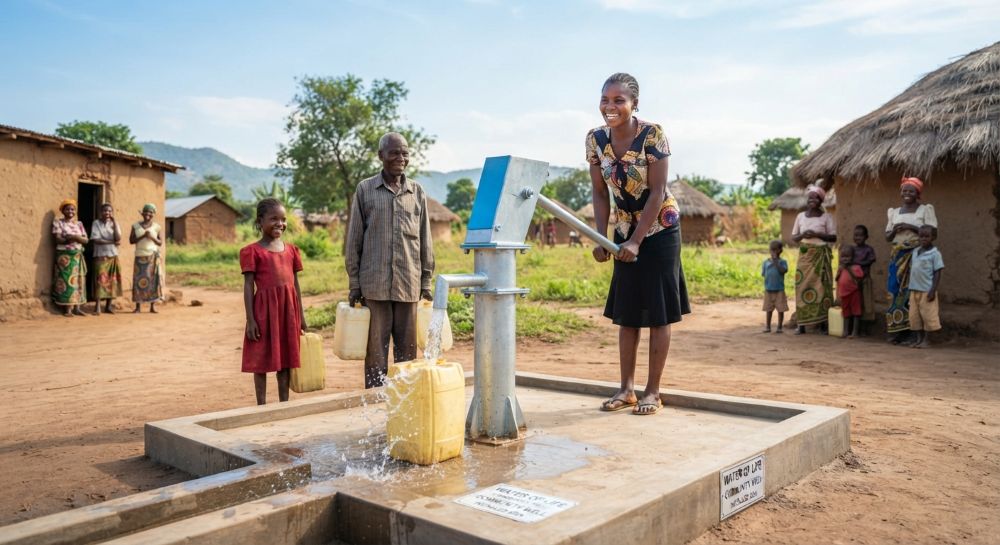
To begin with, suffering does not ask for a passport, a creed, or a background before taking hold of a community. Across the globe, millions of vulnerable families face extreme hardship due to economic instability, displacement, and sudden natural disasters. Above all, human dignity must remain sacred, regardless of a person’s religious beliefs, ethnicity, or language. For this reason, delivering principled humanitarian aid without discrimination stands as one of the most vital imperatives of our modern world. In this context, Hilf Al-Fudul Foundation operates as a steadfast bridge of compassion, dedicated to serving oppressed and marginalized populations globally.
Furthermore, true assistance honors the inherent worth of every individual rather than reducing them to helpless figures of distress. Compassion should never be conditional, nor should relief efforts serve as tools for political or ideological division. Therefore, our organization firmly upholds the timeless principle that help must reach anyone who suffers, without bias or dogmatic agendas. By focusing on fundamental human needs, we ensure that every community receives support that respects their local culture and personal privacy.
The Essence of Universal Humanitarian Aid
First, understanding the universal nature of relief work requires recognizing our shared humanity. When a sudden crisis strikes, families urgently require basic necessities like clean water, nutritional support, and immediate medical care. In addition, providing immediate relief allows communities to maintain stability during their darkest moments. This is why humanitarian aid must always remain impartial, transparent, and focused entirely on alleviating human suffering.
Likewise, sustainable relief strategies look beyond immediate crisis management to build long-term community resilience. Hilf Al-Fudul Foundation currently operates in more than 12 countries, bringing essential resources directly to regions facing profound economic and environmental challenges. By implementing structured support programs, we help vulnerable populations rebuild their lives with dignity. Based on this holistic perspective, our relief initiatives address both immediate survival needs and long-term community development.
       Universal Relief Principles
 ┌──────────────────────────────────────┐
 │  • Impartiality & Non-Discrimination │
 │  • Respect for Human Dignity         │
 │  • Sustainable Community Resilience  │
 └──────────────────────────────────────┘
Fundamental Principles of Ethical Relief Work
In addition to rapid emergency response, ethical relief operations must adhere to strict guidelines. Aid organizations must navigate complex environments while upholding absolute neutrality and operational integrity.
Human Dignity as a Priority
Above all, relief activities must never compromise the self-respect of the individuals receiving support. Documenting aid delivery should always honor beneficiary privacy, avoiding sensationalized visuals or dramatic portrayals.
Absolute Impartiality and Fairness
Furthermore, assistance must be allocated purely on the basis of need. No priority is given to any group based on identity, political affiliation, or social standing.
Long-Term Accountability
In this context, transparent management guarantees that donated funds directly benefit the target communities, creating real, measurable improvements in daily living conditions.
Key Areas of Lifesaving Assistance
In order to address complex global challenges effectively, relief efforts must span across several critical areas of need. Every initiative serves a targeted purpose in elevating living standards for oppressed families.
1. Water Well Projects and Community Health
To begin with, access to clean drinking water is a fundamental human right. Yet, millions of people walk hours daily just to secure contaminated water from unprotected sources. For this reason, constructing a durable water well project in remote villages prevents deadly waterborne illnesses and restores vital time to local families. Consequently, children can attend school instead of carrying heavy water containers, and parents can focus on sustainable livelihoods.
2. Emergency Aid and Rapid Crisis Response
On the other hand, unexpected disasters require swift, coordinated action to save lives. Through rapid response channels, essential humanitarian aid delivers immediate food packages, basic shelter materials, and critical medical supplies to disaster-affected zones without delay. In these high-pressure scenarios, clear organization ensures that aid reaches isolated populations efficiently.
3. Education Scholarships for the Future
Furthermore, long-term poverty alleviation relies heavily on equal educational access for promising youth. A talented student may struggle to pay tuition fees despite having high academic capability and ambition. By offering an education scholarship, donors remove severe financial barriers and empower youth to uplift their wider communities. Education provides the foundational tools necessary to break generational cycles of poverty.
4. Qurbani Donations and Seasonal Nutrition
In addition, seasonal food distributions play a vital role in alleviating widespread malnutrition. A seasonal Qurbani donation brings essential nutritional sustenance to impoverished households, allowing struggling families to celebrate moments of relief with joy and peace of mind. These targeted distributions ensure that vulnerable groups receive high-protein food support during critical periods of the year.
Strengthening Communities Through Volunteering
However, direct financial support represents only one part of the global relief equation. Active personal participation creates deep empathy and connects individuals directly to meaningful social causes. Indeed, engaging in volunteering allows dedicated people to lend their skills, time, and energy to noble initiatives.
- Hands-on Field Support: Assisting in campaign organization, logistics, and supply distribution workflows.
- Professional Skill Sharing: Offering specialized skills in translation, digital strategy, or educational mentoring.
- Community Advocacy: Raising awareness about global inequality and human rights within local networks.
Moreover, engaging in volunteer work transforms both the giver and the receiver. When people unite around shared human values, cross-cultural barriers quickly fade away. Consequently, active participation strengthens global solidarity across borders and builds a compassionate international community.
   Financial Support              Active Participation
 (Donations & Resources)   <===>   (Volunteering & Skills)
             \                       /
              \                     /
               v                   v
        Sustainable Global Transformation
The Role of Education in Sustainable Development
To build long-term stability, relief initiatives must prioritize educational support alongside emergency relief. Education transforms communities from within by fostering self-reliance and innovation.
Overcoming Financial Barriers
First, financial constraints often force bright students to leave school prematurely. Providing structured financial aid allows students to complete their studies and gain meaningful employment.
Fostering Local Leadership
In addition, educated individuals return to serve their local communities as teachers, healthcare workers, and civic leaders. This internal capacity building reduces long-term dependency on external relief organizations.
Transparency and Responsibility in Action
Above all, ethical relief management demands complete transparency and operational accountability. Donors entrust their hard-earned resources with the expectation that every gift creates real, tangible value. Based on this trust, Hilf Al-Fudul Foundation carefully monitors each initiative to guarantee that resources reach those who truly need them most.
In contrast to sensationalized charity drives, true compassion does not exploit human hardship for emotional dramatic effect. Instead, responsible institutions present facts clearly, respect beneficiary privacy, and protect individual dignity under all circumstances. In short, operational integrity ensures that aid remains a reliable source of hope rather than a temporary gesture.
Building Lasting Bridges of Compassion
Furthermore, creating sustainable change requires continuous collaboration between international organizations, local partners, and conscious donors. Relief work is not a one-time intervention; it is a sustained commitment to human welfare. Through long-term investments in clean water, education, and disaster preparedness, communities gradually transition from vulnerability to independence.
Therefore, every relief campaign must be designed with long-term durability in mind. By working alongside local community leaders, aid organizations ensure that projects remain functional and effective long after initial implementation.
A Unified Vision for Global Hope
In conclusion, standing alongside the oppressed is not merely a charitable act, but a shared global responsibility. Every water well dug, every scholarship granted, and every emergency aid package delivered represents a step toward a fairer world. Therefore, active involvement from conscious individuals remains the primary engine driving real, lasting change across marginalized societies.
Finally, effective humanitarian aid will always prioritize human dignity above all differences of race, language, or belief. By choosing solidarity over indifference, we can continuously build sustainable solutions for vulnerable families across the globe.
Donate today or support our cause through volunteering to extend hope to those in need: /get-involved/


