

How to Choose a Trusted Kurban Charity

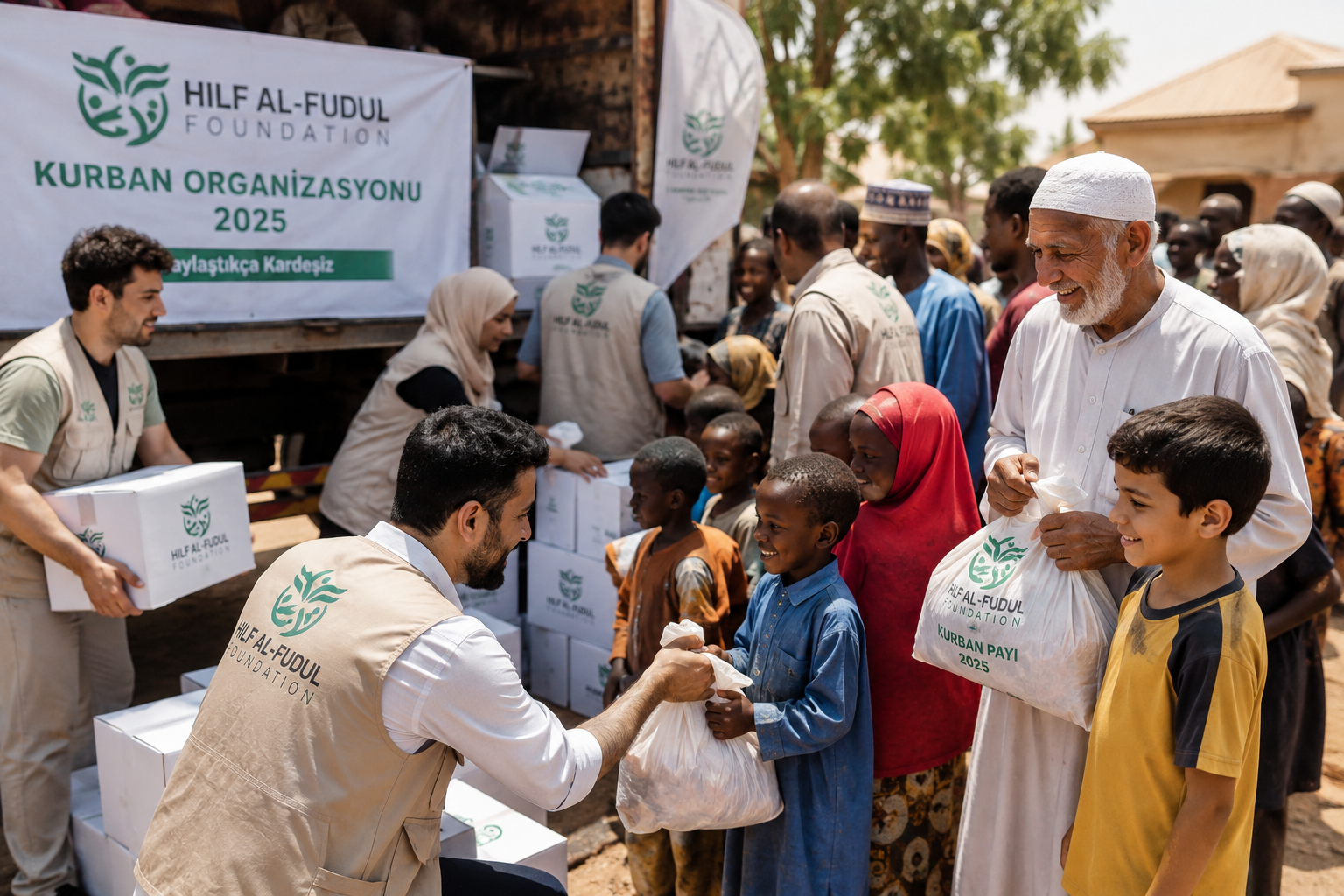
Choosing the right organization for a Kurban donation is an important decision. For many people, Kurban is not only a religious practice but also an opportunity to share with families and communities in need. When a person makes a bağış, they trust an organization to manage that contribution responsibly and deliver the intended support. Therefore, the reputation, transparency and field experience of a charity should be considered before making a donation.
Why Is Choosing a Trusted Kurban Charity Important?
A Kurban donation involves more than simply transferring money to an organization. It means entrusting a charity with an important act of worship and expecting the process to be handled with care. For this reason, donors should take time to understand how an organization operates before making a contribution. A trusted charity should be able to explain its activities, donation process and distribution plans in clear language. It should also provide accessible communication channels for people who have questions about their donations.
In addition, humanitarian work often involves several stages. These may include organizing donations, arranging the animals, coordinating local teams, carrying out the sacrifice process and distributing the shares to people in need. When these stages are carefully planned, the organization can respond to local needs more effectively. Therefore, donors should look beyond promotional messages and consider the charity’s overall approach to humanitarian aid. This simple step can make the donation experience more informed and meaningful.
What Makes a Charity Trustworthy?
There is no single factor that determines whether a charity is trustworthy. Instead, several indicators should be considered together. A donor can begin by reviewing the organization’s website, activities, contact information and donation procedures. It is also useful to look for clear explanations about how humanitarian projects are organized.
Before making a bağış, consider whether the organization:
- Clearly explains its humanitarian activities and areas of operation.
- Provides understandable information about the donation process.
- Explains how Kurban projects are organized.
- Communicates where and how aid is distributed.
- Offers accessible contact and support channels.
- Provides information about completed projects.
- Demonstrates experience in field-based humanitarian work.
- Communicates responsibly without making exaggerated promises.
- Treats beneficiaries with dignity and respect.
These points do not replace independent research, but they can help donors make a more informed decision. A transparent organization should be comfortable explaining what it does and how it approaches its responsibilities.
Transparency in Kurban Donations
Transparency is one of the most important elements of trust in humanitarian work. When someone makes a Kurban donation, it is natural to want to understand what happens afterward. Donors may wonder where the donation is being used, how the distribution is organized and how the charity communicates the results of its work.
A responsible Kurban organization considers the process as a whole. Planning may include sourcing the animals, coordinating local teams, organizing the sacrifice process and distributing the meat to families or communities in need. Each location may have different logistical and social conditions. Therefore, experienced field coordination can play an important role.
Transparency also means communicating honestly. A charity does not need to make dramatic claims to demonstrate its impact. Instead, clear information about projects, activities and processes can provide donors with a better understanding of the work being carried out.
For this reason, donors should pay attention to the quality of the information provided by a charity. Clear communication, realistic descriptions and accessible contact channels are all useful indicators when comparing organizations.
How Is the Kurban Distribution Process Organized?
The distribution stage is one of the most important parts of a Kurban campaign. The purpose of the project is to share the meat with people and communities who may benefit from this support. Consequently, identifying needs and organizing distribution carefully are essential parts of the process.
Imagine a rural community where access to food may be limited and families have fewer opportunities to receive additional support. A well-organized Kurban distribution can provide families with meat during an important period of the year. However, effective humanitarian work requires more than simply arriving in a location and handing out aid. Local conditions, community needs and logistical realities should also be considered.
Local teams can therefore play an important role. Their knowledge of the area can help organizations coordinate distribution more effectively and communicate with communities. For international charities working across several countries, this local understanding can be particularly valuable.
When choosing a charity, donors can therefore ask how beneficiaries are identified and how distribution is coordinated. These questions can provide useful insight into the organization’s approach to fieldwork.
Why Should You Review a Charity’s Other Activities?
When evaluating a charity for Kurban donations, it can also be useful to look at its broader humanitarian activities. An organization’s other projects may provide insight into its experience, field presence and long-term approach.
Different humanitarian projects address different needs. A water well project, for example, aims to improve access to clean water in communities where this resource is limited. Education support can contribute to children’s and young people’s access to learning opportunities. Emergency aid responds to urgent needs that may arise in difficult circumstances.
Looking at these activities as a whole can help donors understand that humanitarian work is not limited to a single campaign. Donation and volunteer can both contribute to a wider culture of solidarity and long-term humanitarian support.
Questions to Ask Before Making a Kurban Donation
Doing a little research before making a donation can help donors feel more confident about their decision. You do not need to investigate every detail of an organization. However, a few basic questions can provide useful information.
Consider asking:
- In which countries or regions is the Kurban campaign carried out?
- How are Kurban animals sourced and prepared?
- How is the sacrifice process organized?
- How are beneficiaries identified?
- Who coordinates the distribution?
- How does the organization communicate with donors?
- What other humanitarian projects does the organization conduct?
- How can donors contact the organization if they have questions?
A reliable organization should be willing to provide clear answers. The exact format of the information may differ from one charity to another, but openness and consistency are important.
As a result, donors should not hesitate to ask questions. Responsible organizations understand that people want to know how their contributions are being used.
Do Not Choose a Charity Based Only on Price
Donation prices can differ between organizations, and it is natural to compare costs. However, choosing a Kurban charity based only on the lowest price may not provide enough information to make a responsible decision.
The amount associated with a Kurban project may involve several operational stages, including animal procurement, local coordination, sacrifice arrangements, transportation and distribution. Different locations can also have different logistical conditions.
Therefore, instead of asking only, “Which option is the cheapest?” donors can also ask, “How does this organization manage the process?”
This broader perspective can help donors evaluate organizations more fairly. Experience, transparency, communication, field coordination and respect for beneficiaries should all be considered alongside the donation amount.
It is also important to be cautious about exaggerated promises. A trustworthy humanitarian organization should communicate its work respectfully and realistically. The experiences of people receiving aid should never be used merely to create emotional pressure. Humanitarian communication should protect dignity while explaining genuine needs.
The Role of Local Experience in International Kurban Projects
International humanitarian work requires an understanding of local circumstances. A campaign carried out in one country may require a different approach from a campaign in another. Cultural practices, geography, transportation conditions and community structures can all influence how a project is organized.
This is one reason why donors should consider a charity’s field experience rather than looking only at the number of campaigns it advertises. Sustainable humanitarian work requires planning, communication and coordination.
Kurban projects are carried out alongside initiatives such as clean water, education and emergency assistance, allowing the organization to respond to different forms of need.
Kurban, Bağış and Gönüllülük: Different Forms of Solidarity
Humanitarian support can take many forms. A person may make a Kurban donation, while another person may contribute their time through volunteer. Someone else may support awareness efforts or help connect a charity with people who want to contribute.
Each form of participation can strengthen solidarity.
Donation-based support provides resources for humanitarian projects. Volunteering can contribute time, skills and organizational support. Awareness can help more people understand the needs faced by communities around the world.
For this reason, humanitarian work should not be viewed only as a financial transaction. It can also become an opportunity for people to participate in a culture of sharing and responsibility.
A trusted organization should therefore value both donors and volunteers. Volunteer can complement financial contributions and help create stronger connections between communities, volunteers and humanitarian teams.
Kurban Donations with Hilf Al-Fudul Foundation
Through its Kurban activities, the Foundation aims to help donors share their Kurban contributions with people and communities who can benefit from them. Organizing such projects requires planning, local coordination and attention to the conditions of each region.
The Foundation’s broader humanitarian approach is based on dignity, responsibility and solidarity. Rather than viewing aid as a short-term transaction, the organization seeks to support communities through different types of humanitarian projects.
For donors, this means that choosing a charity is also about choosing an approach to humanitarian work. Looking at an organization’s activities, communication and field presence can help donors make a decision based on more than a single campaign.
A Trusted Charity Helps Build Meaningful Giving
Choosing the right organization for a Kurban donation is an important part of responsible giving. Donors should consider transparency, field experience, distribution planning, communication and the organization’s broader humanitarian approach before making a decision.
A trustworthy charity does not need exaggerated promises to demonstrate its value. Clear information, responsible communication and respect for people receiving aid can provide a stronger foundation for trust.
Kurban can be an opportunity to strengthen solidarity across communities and borders. When donations are organized responsibly, they can connect people who want to give with communities that can benefit from additional support.
Therefore, before making your donation, take a moment to research the organization, understand its process and ask questions where necessary. An informed donation is not only a financial contribution; it is also an expression of trust and solidarity.


