

How Does Kurban Meat Reach People in Need?

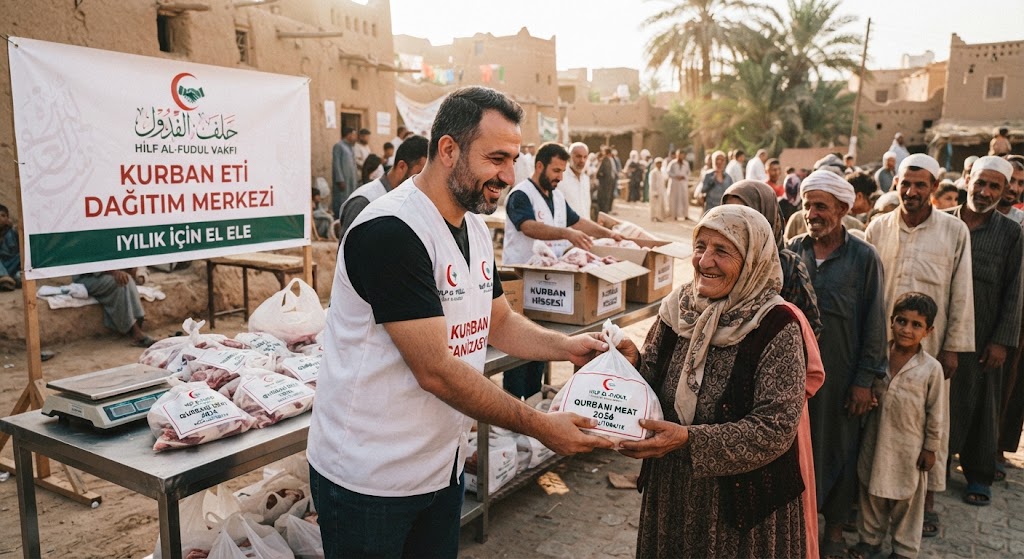
Kurban represents sharing, compassion, and solidarity across many communities. However, its social value extends beyond the act of sacrifice itself. The meat can provide meaningful food support for families facing difficult circumstances. First of all, a reliable distribution process requires careful planning and local knowledge. In addition, donors deserve clear information about how their contributions reach communities. Hilf Al-Fudul Foundation works to connect generous donors with people who need support. Its humanitarian approach respects people regardless of religion, language, or ethnicity.
Why Is Kurban Meat Distribution Important?
Kurban meat can offer more than temporary food assistance. It can also strengthen a culture of sharing within communities. For families with limited resources, access to nutritious food can remain difficult. Therefore, organized meat distribution can provide practical support during the Kurban period. Moreover, sharing resources can bring different communities closer together. It reminds people that solidarity can cross borders and cultural differences. Consequently, donation becomes part of a wider humanitarian effort.
Every community has different needs and social conditions. Some families may struggle with unstable incomes or rising living costs. Others may face difficulties because of displacement or local emergencies. For this reason, humanitarian organizations need to understand local circumstances carefully. Local teams can identify needs more accurately through direct community engagement. They can also consider transportation, storage, and distribution conditions. As a result, the support can reach people in a more organized and respectful way.
How Does Kurban Meat Reach Families in Need?
A Kurban distribution campaign involves several important stages. First, the organization plans the campaign according to local conditions. Then, teams identify suitable areas and coordinate local operations. They also consider the number of families who may require support. In addition, teams plan transportation and appropriate meat storage methods. These preparations help reduce delays during the distribution period. Finally, the organization coordinates the delivery process with local teams.
The sacrifice stage also requires responsibility and careful organization. Qualified personnel should manage the process according to applicable requirements. Animal welfare and relevant health standards should remain important considerations. Afterward, workers prepare the meat under appropriate hygienic conditions. They divide the meat into practical portions for distribution. Proper packaging then helps protect the meat during transportation. Thus, careful preparation supports both food safety and efficient distribution.
Packaging and Food Safety Matter
Food safety plays an essential role in humanitarian food distribution. Kurban meat needs suitable handling from preparation through delivery. Teams should maintain clean preparation and packaging environments. They should also use transportation methods that suit local conditions. In warmer climates, temperature control becomes particularly important. Therefore, logistical planning should consider both distance and environmental conditions. These measures help protect the quality of the food throughout the process.
Packaging can also make distribution more practical for recipient families. Teams may prepare portions according to household needs and local practices. Clear organization can make the distribution process easier for everyone involved. Moreover, appropriate packaging can reduce unnecessary handling during transportation. Volunteers and field workers should follow basic hygiene procedures consistently. They should also respect the dignity and privacy of recipient families. In this way, food assistance can remain both practical and respectful.
How Do Organizations Identify People in Need?
Identifying recipients requires sensitivity, fairness, and local understanding. Economic circumstances can vary significantly between different communities. Therefore, organizations should avoid relying on assumptions about local needs. Instead, field teams can gather information through community-based assessments. Local partners may also help organizations understand vulnerable groups. First, teams can consider families with limited access to essential food. They can then review other circumstances that may require additional support.
For example, an elderly person living alone may need additional assistance. A household without stable income may also require food support. Families affected by displacement or emergencies may face additional challenges. However, organizations should always protect the privacy of the people they assist. Publishing personal information can undermine their dignity and security. Likewise, photographs should respect consent and personal boundaries. Ultimately, humanitarian support should help people without turning hardship into public spectacle.
The Role of Volunteers in Kurban Campaigns
Volunteering can strengthen humanitarian campaigns in many practical ways. Volunteers may support preparation, logistics, communication, or local distribution. Some may help organize packages before the delivery stage. Others may assist field teams with transportation coordination. However, every volunteer role should follow a clear plan. Proper coordination can reduce confusion and improve the overall workflow. It can also help organizations respond more effectively to local needs.
Volunteers also contribute through respectful communication with recipient families. A kind and considerate approach can make a meaningful difference. Nevertheless, volunteers should avoid treating recipients as objects of charity. Every person deserves respect, privacy, and dignity throughout the process. Furthermore, volunteers should follow the organization’s safety and operational guidelines. This approach makes volunteering more responsible and sustainable. It also strengthens trust between humanitarian organizations and local communities.
Why Transparency Matters in Kurban Donations
Transparency plays a central role in building donor confidence. People who make a donation want to understand its purpose and impact. Therefore, humanitarian organizations should communicate their activities clearly. They can explain the general stages of planning, preparation, and distribution. They should also provide accurate information about the scope of their work. At the same time, organizations must protect the privacy of recipient families. Transparency should never require the exposure of vulnerable people.
Clear communication also strengthens long-term relationships with donors. When people understand the process, they can make more informed decisions. Moreover, transparent practices encourage responsible participation in humanitarian work. Donors can see how careful planning supports meaningful community assistance. Volunteers can also understand their responsibilities more clearly. As a result, transparency benefits everyone involved in the campaign. Trust then becomes a foundation for future humanitarian cooperation.
Kurban as a Culture of Sharing
The value of Kurban becomes especially visible through sharing. A contribution from one person can reach a family in another community. This connection demonstrates how humanitarian solidarity can cross geographical boundaries. Furthermore, the process can encourage people to think beyond their immediate surroundings. It can create opportunities for meaningful cooperation between different communities. In this sense, Kurban can support a broader culture of compassion. Most importantly, the process should preserve dignity at every stage.
Consider a family receiving a carefully prepared food package. The package may represent only one part of their household’s needs. Yet it can still provide useful support during a particular period. The important point lies in delivering assistance responsibly and respectfully. Therefore, organizations should combine compassion with professional planning. They should listen to communities instead of making assumptions about them. This approach creates a more balanced and sustainable humanitarian model.
Hilf Al-Fudul Foundation’s Humanitarian Approach
Hilf Al-Fudul Foundation works to support people facing hardship in different communities. Its humanitarian activities include water projects, education support, emergency assistance, and Kurban campaigns. The foundation approaches these efforts without discrimination based on religion, language, or ethnicity. This principle helps create an inclusive framework for humanitarian support. Furthermore, local understanding can help teams respond to different community circumstances. Each campaign therefore requires planning that reflects its specific environment.
The foundation’s broader approach focuses on solidarity and responsible assistance. Kurban campaigns form one part of this wider humanitarian mission. Through organized fieldwork, teams can connect donors with communities requiring support. Meanwhile, volunteers can contribute their time and skills to campaign activities. Donors can support these efforts through carefully planned contributions. Together, these forms of participation can strengthen a culture of shared responsibility.
What Makes a Kurban Campaign Responsible?
A responsible Kurban campaign requires more than collecting contributions. It requires careful planning from the beginning to the final distribution stage. Organizations should consider animal welfare, food safety, logistics, and recipient needs. They should also communicate their activities honestly and clearly. Additionally, teams need to protect the dignity of every person involved. Volunteers should receive suitable guidance before participating in field activities. Donors should also have access to understandable information about the campaign.
A strong humanitarian campaign balances compassion with accountability. It recognizes that every contribution carries a responsibility. Therefore, organizations should use available resources thoughtfully and efficiently. They should adapt their plans when local circumstances change. They should also learn from previous campaigns and improve future operations. Ultimately, responsible assistance depends on trust, preparation, and respect. These principles can help turn individual generosity into meaningful community support.
Conclusion: Sharing Creates a Meaningful Connection
A Kurban donation can become a practical source of support for families facing hardship. However, meaningful distribution requires planning, food safety, local coordination, and respect. First, teams need to understand the needs of the communities they serve. Then, they can organize sacrifice, packaging, transportation, and distribution responsibly. In addition, transparency helps donors understand the purpose of their support. Donation and volunteering can therefore work together within a wider solidarity effort. Ultimately, sharing becomes most meaningful when it reaches people with dignity and care.


