
Why Water Well Donation Matter in Africa?

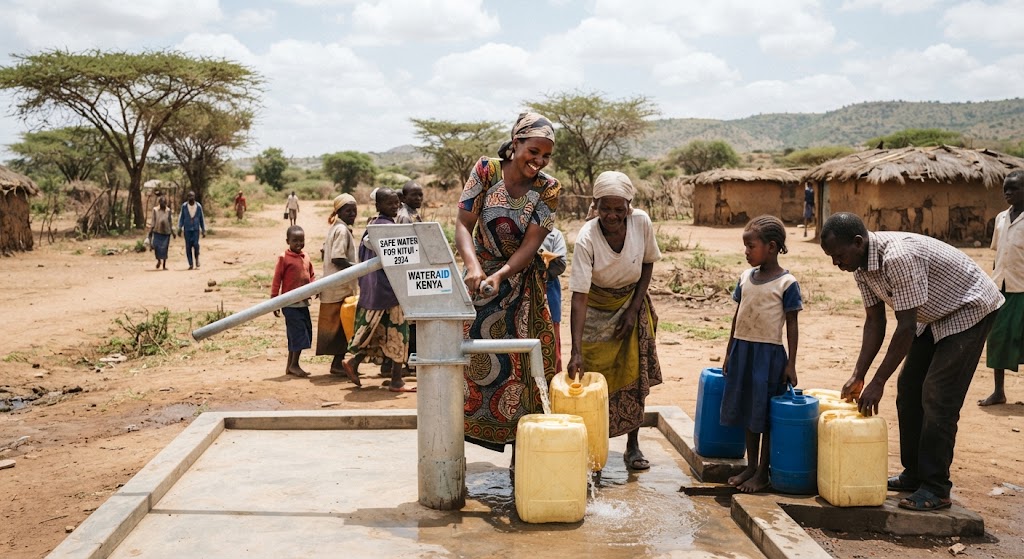
Access to clean water remains a major humanitarian concern in many African communities. However, water challenges differ greatly across the continent. Some communities face drought, weak infrastructure, or long distances to reliable water sources. In addition, climate pressures can make water planning more difficult. Therefore, water well donation can support communities that need reliable water access. Hilf Al-Fudul Foundation supports water projects alongside other humanitarian initiatives.
Why Does the Clean Water Problem Continue in Africa?
Africa includes diverse climates, landscapes, and communities. Therefore, no single explanation can describe every water challenge. Some rural communities live far from reliable water sources. Others face limited infrastructure for collecting and distributing water. In addition, existing water systems need regular maintenance and local management. First of all, communities need solutions that match their actual circumstances. Consequently, water projects require careful planning rather than simple, one-size-fits-all approaches.
Water availability also differs between rural and urban areas. Rural communities may have fewer infrastructure options. Furthermore, scattered settlements can make large water networks difficult to establish. A local water source can sometimes provide a more practical solution. However, technical assessments must guide every project. Experts need to understand local groundwater conditions before developing a well. This approach helps humanitarian organizations direct resources responsibly.
How Does Climate Affect Water Resources?
Climate conditions can place additional pressure on already limited water resources. Changing rainfall patterns may complicate water planning in some areas. Longer dry periods can also reduce the availability of surface water. Meanwhile, higher temperatures can increase daily water needs. Nevertheless, climate impacts vary considerably between regions. Therefore, organizations should consider local environmental conditions before planning water projects. In addition, communities need solutions that remain useful over time.
Protecting existing water resources matters as much as developing new ones. Poor management can place unnecessary pressure on groundwater supplies. For this reason, a water well project involves more than drilling a well. Teams should first assess local needs and available water resources. They should then evaluate technical conditions and potential risks. Finally, they should consider maintenance and long-term use. This process helps turn humanitarian support into a more sustainable solution.
Why Is Water Well Donation Important?
A water well donation can contribute to improving access to reliable water. A properly planned well can support a community’s daily water needs. However, every location has different geological and social conditions. Therefore, organizations should assess each area before starting a project. The location, expected capacity, purpose, and maintenance needs all matter. A responsible donation should support a clearly identified humanitarian need. In this way, generosity can become practical and sustainable support.
The impact of a water well can extend beyond drinking water. Communities also need water for hygiene and food preparation. Schools need reliable water for safe and healthy environments. Families may also spend significant time collecting water from distant sources. A nearby water point can reduce some of these daily challenges. As a result, people may have more time for education, work, and family responsibilities. Thus, access to water can influence several areas of community life.
How Can Clean Water Support Education?
Water and education may seem like separate humanitarian issues. In reality, they often connect through everyday life. Children need safe environments where they can attend school regularly. Schools also need water for hygiene and basic daily activities. When communities face serious water challenges, education can face additional pressures. Therefore, water projects can indirectly support educational opportunities. This connection makes clean water an important part of wider humanitarian planning.
Consider a child living in a rural community. The family may need to travel a long distance to collect water. That journey can consume valuable time during the day. A closer water source can reduce some of that daily burden. The child may then have more time for school and studying. The family may also find it easier to organize daily responsibilities. This simple example shows why water access affects more than basic hydration.
Why Does a Water Well Need Sustainable Planning?
Opening a well represents only one part of a water project. The community also needs a reliable system for continued use. Therefore, project teams should consider maintenance from the beginning. They should also understand who will manage the water point locally. Community participation can strengthen long-term responsibility. Local residents understand their environment and daily needs better than outside organizations. Consequently, their involvement can improve the practical sustainability of a project.
A sustainable water project should consider several important elements:
- Assess the community’s actual water needs.
- Study local environmental and groundwater conditions.
- Select an appropriate location.
- Determine the intended use of the water source.
- Plan maintenance and repair processes.
- Encourage local community participation.
- Monitor the project’s long-term functionality.
This approach helps humanitarian organizations use resources more responsibly. It also helps connect donation with clearly defined needs. Most importantly, it focuses on lasting community benefit.
Why Does Transparency Matter in Water Well Donation?
Trust forms an essential part of responsible humanitarian work. Donors want to understand how organizations use their contributions. Therefore, clear communication matters throughout the project process. Organizations should explain the purpose and general scope of their initiatives. They should also respect the privacy and dignity of the communities they support. Humanitarian storytelling should never reduce people to images of hardship. Instead, it should present communities with dignity and respect.
Hilf Al-Fudul Foundation carries out humanitarian projects in more than 12 countries. Its activities include water wells, food assistance, education support, and emergency aid. The foundation aims to support people regardless of religion, language, or ethnicity. Water projects form an important part of this broader humanitarian approach. Each community has different circumstances and different priorities. Therefore, local needs should guide the planning of humanitarian support. This principle helps keep assistance relevant and responsible.
How Can Volunteering Support Water Projects?
Financial support represents only one form of humanitarian participation. volunteering offers another meaningful way to contribute. Volunteers can help raise awareness about clean water challenges. They can also share reliable humanitarian campaigns with their communities. Some volunteers may contribute professional skills or organizational experience. Others may simply help more people learn about ongoing projects. As a result, volunteering can expand the reach of humanitarian initiatives.
Volunteering does not always require large amounts of time. A person can start by sharing accurate information about a campaign. Another person may support an awareness activity within their community. Someone else may contribute skills that an organization needs. These contributions can complement financial donations. Furthermore, responsible communication can encourage more people to participate. In this way, volunteering can strengthen a culture of solidarity.
How Can We Support Sustainable Access to Clean Water?
Africa’s clean water challenges have many interconnected causes. Climate pressures, infrastructure limitations, geography, and maintenance needs can all matter. However, conditions differ significantly from one community to another. Therefore, effective solutions should respond to local circumstances. water well donation can support such solutions when organizations plan projects carefully. Technical assessment and community participation remain essential throughout the process. Most importantly, humanitarian support should focus on genuine and clearly identified needs.
Clean water also represents more than a basic daily necessity. It can influence health, hygiene, education, and household routines. A reliable water source may reduce some of the burdens associated with distant water collection. It can also support schools and community spaces. Therefore, water projects can contribute to broader improvements in daily life. However, responsible organizations should avoid unrealistic promises. Instead, they should communicate clearly about what each project aims to achieve.
Small Contributions Can Support Meaningful Change
Humanitarian action begins with understanding real needs. It continues through responsible planning and transparent implementation. Water well projects require both technical knowledge and community awareness. They also require long-term thinking beyond the initial construction stage. A donation can support this process when it reaches a carefully planned project. Likewise, volunteering can help humanitarian messages reach wider communities. Together, these forms of solidarity can strengthen clean water initiatives.
Ultimately, access to clean water remains closely connected to human dignity. Communities need reliable water sources for everyday life and future development. Supporting responsible water projects can therefore become a meaningful form of solidarity. First, we should understand the need. Then, we should support solutions that respect local conditions. Finally, we should encourage sustainable and transparent humanitarian work. Every contribution can become more meaningful when it meets a genuine need.


