

Why Is Psychosocial Support Important for Orphans?

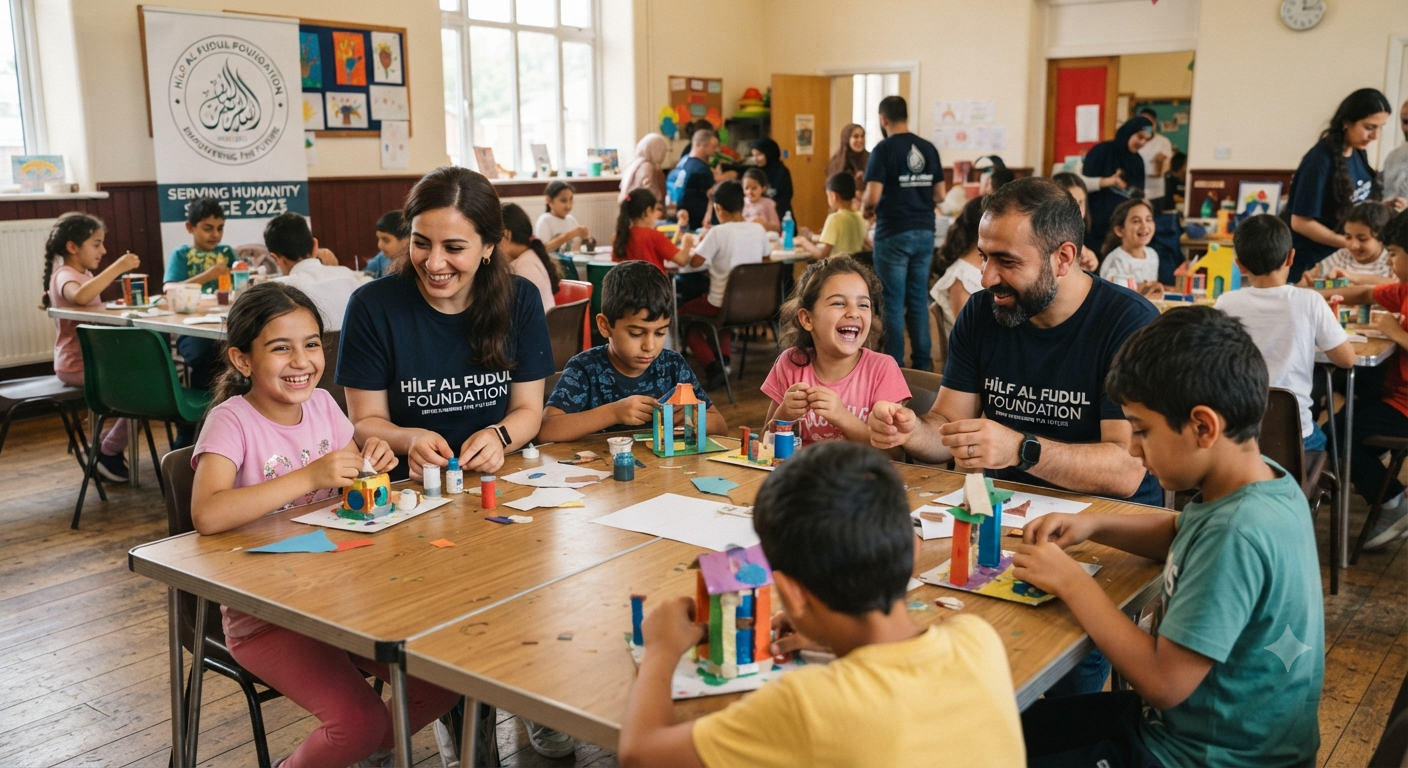
The loss of a parent can change a child’s life in many ways. An orphan may face emotional, social, and educational challenges. However, financial support alone cannot address every need. Children also need safety, trust, belonging, and meaningful relationships. Therefore, psychosocial support can become an important part of orphan care. Hilf Al-Fudul Foundation supports vulnerable children through humanitarian programs across more than 12 countries. Moreover, the Foundation combines practical assistance with a commitment to dignity, compassion, and hope.
Why Does Psychosocial Support Matter for an Orphan?
Losing a parent can affect how a child understands safety and relationships. Each child responds to loss in a different way. Some children may become quiet and withdraw from others. Others may struggle with anger, anxiety, or changes in daily routines. These responses do not follow one single pattern. Therefore, adults should approach every orphan with patience and respect. They should also consider the child’s age, circumstances, and individual needs.
Psychosocial support creates space for children to express their feelings safely. It can also help them maintain healthy relationships with others. A trusted adult can provide reassurance during difficult periods. Regular routines can offer children a sense of stability. Education and recreational activities can also support social development. Consequently, psychosocial care should complement other forms of humanitarian assistance.
What Emotional Needs Can Orphans Have?
Children need more than food, clothing, and shelter to develop well. They also need affection, encouragement, and a sense of belonging. An orphan may experience several changes after losing a parent. These changes can affect school life, friendships, and everyday routines. However, not every child experiences these difficulties in the same way.
Adults can support children by listening without judgment. They can answer questions honestly and use age-appropriate language. They should also avoid forcing children to discuss painful experiences. Instead, they can create opportunities for natural communication. Simple activities can sometimes make communication easier. Drawing, reading, sports, and group activities may provide useful spaces for expression.
Most importantly, adults should respect each child’s pace. Emotional support does not mean forgetting the loss. Rather, it helps children continue their lives while carrying their experiences. This approach can strengthen confidence and social connection over time.
How Can Education Support Orphans?
Education provides more than academic knowledge. It can create routine, social connection, and opportunities for personal growth. For an orphan, school can also provide a stable environment. Teachers can notice changes in behavior and learning patterns. They can then communicate concerns to responsible adults when necessary.
Educational support can take different forms, including:
- School materials and learning resources.
- Scholarships and education expenses.
- Safe spaces for learning and recreation.
- Academic guidance and mentoring.
- Social activities that encourage peer interaction.
For example, imagine a child who gradually stops participating in classroom activities. The change may reflect emotional difficulties rather than academic weakness. A supportive teacher can notice this difference and respond with care. The teacher can encourage participation without creating additional pressure.
Thus, educational support works best when it considers the whole child. Academic progress matters, but emotional and social development matters too.
Why Are Safe Social Environments Important for Orphans?
Children develop through relationships with family members, teachers, friends, and communities. After losing a parent, these relationships can become even more significant. A safe social environment can help an orphan rebuild trust. It can also provide opportunities to develop friendships and communication skills.
Community activities can support this process naturally. Sports, arts, educational groups, and recreational programs can bring children together. Such activities allow children to participate without focusing constantly on their loss. They can discover interests and develop new skills.
Furthermore, inclusive environments help children feel respected. Adults should avoid defining a child only through their orphan status. Every child has talents, interests, dreams, and individual strengths. Therefore, support programs should protect dignity while addressing genuine needs.
How Can Communities Support Orphans?
Supporting vulnerable children requires more than one organization. Families, communities, educators, volunteers, and humanitarian organizations can contribute. Each group can provide different forms of support. Some people can contribute financially through a donation. Others can contribute their time through volunteering.
Both forms of support can strengthen humanitarian programs. A donation can help fund education, essential supplies, or child-focused programs. Meanwhile, volunteering can provide valuable time, skills, and human connection. However, every contribution should respect professional boundaries and child safeguarding principles.
Communities can also support children through everyday actions:
- Treat children with dignity and respect.
- Encourage inclusive educational environments.
- Support safe recreational activities.
- Avoid stigmatizing children because of their circumstances.
- Promote awareness about children’s emotional needs.
- Support trustworthy humanitarian organizations.
These actions may seem simple, but they can create stronger support networks. In the long term, such networks can help children feel connected to their communities.
Why Do Consistent Support and Trust Matter?
Children benefit from stability and predictable relationships. Therefore, humanitarian organizations should approach child support with continuity. One-time assistance can address an immediate need. However, children may require broader support throughout their development.
Trust also matters greatly in humanitarian work. Donors want to understand how their contributions support communities. Organizations therefore need clear, responsible, and transparent practices. Hilf Al-Fudul Foundation works across more than 12 countries. Its humanitarian activities include water projects, education support, seasonal aid, and emergency assistance.
The Foundation also supports vulnerable communities without discrimination based on religion, language, or race. This approach places human dignity at the center of humanitarian action. In addition, child-focused programs should always consider safety and individual needs.
How Can a Donation Help an Orphan?
A donation can contribute to practical support for children and families. Its impact depends on the program and the specific needs within each community. Education support may help children continue their studies. Essential assistance can help families manage difficult circumstances. Other programs can address broader community needs.
However, responsible giving requires more than good intentions. Donors should choose organizations that communicate clearly about their work. They should also look for transparent information about humanitarian activities. This approach helps build a healthier relationship between donors and organizations.
Even modest contributions can become part of a wider effort. Many people contributing together can strengthen sustainable humanitarian programs. Consequently, giving can become an expression of solidarity rather than a one-time gesture.
How Can Volunteering Support Children?
Volunteering offers another meaningful way to contribute. Volunteers can share professional skills, time, or organizational support. However, work involving children requires particular care. Volunteers should follow safeguarding procedures and respect professional responsibilities.
Not every volunteer needs direct contact with children. Some people can support communication, fundraising, translation, logistics, or awareness campaigns. Others may contribute professional expertise behind the scenes. These roles can strengthen humanitarian organizations without placing unnecessary pressure on children.
Ultimately, volunteering is about responsible participation. It should respect children’s dignity and prioritize their best interests. When communities work together responsibly, children can benefit from stronger support systems.
Building Hope Through Holistic Orphan Support
Psychosocial support forms an important part of comprehensive child protection. An orphan may need emotional care alongside education and material assistance. Therefore, effective support should consider different dimensions of childhood. These dimensions include safety, education, relationships, emotional wellbeing, and social inclusion.
Hilf Al-Fudul Foundation approaches humanitarian support with dignity and compassion. Its work reaches communities in different countries and circumstances. The Foundation’s programs respond to needs through various forms of humanitarian assistance. Supporters can contribute through a donation or through volunteering.
First, we can recognize that every child deserves care and respect. Then, we can contribute according to our abilities. Finally, we can help strengthen systems that support children over time. Hope grows through consistent care, responsible action, and human solidarity.
Donate today or become a volunteer to support vulnerable children: Make a Donation | Become a Volunteer.


