

How Long Does a Water Well Last?

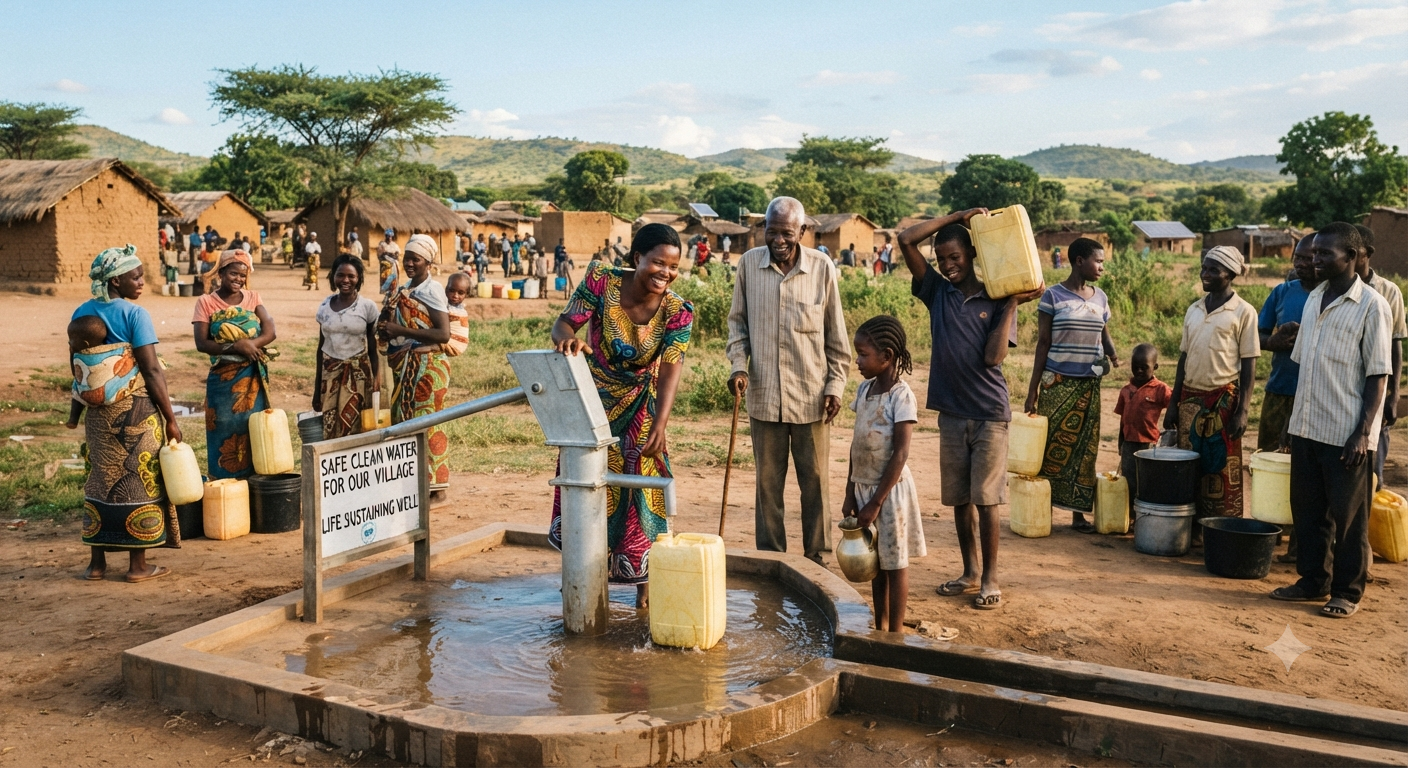
How long can a water well provide clean water for a community? The answer depends on several technical and environmental factors. Well construction, groundwater conditions, maintenance, and local geology all affect its lifespan. Therefore, no single number can describe every well worldwide. Hilf Al-Fudul Foundation supports communities that need reliable access to clean water. In addition, the Foundation works with local conditions when planning water projects. First of all, a well needs suitable groundwater and careful construction. Likewise, regular maintenance helps protect its function and water quality. Ultimately, sustainable water access requires more than simply drilling a hole.
What Is the Average Lifespan of a Water Well?
There is no universal average lifespan for every water well. Some wells may continue serving communities for decades. Others may experience problems much earlier due to technical or environmental conditions. The quality of the original construction plays an important role. The depth and design of the well also influence long-term performance. Groundwater levels can change over time and affect water availability. Furthermore, sediment can gradually reduce the efficiency of some wells. Equipment such as pumps may require replacement before the well itself reaches the end of its useful life.
For this reason, it helps to distinguish the well structure from its equipment. A properly constructed borehole can remain usable for many years. However, its pump may need repair or replacement during that period. This distinction matters when communities plan long-term water projects. A well does not necessarily become unusable simply because one component fails. In many cases, technicians can repair or replace specific parts. Therefore, ongoing assessment can extend the practical service life of the entire system.
What Determines a Water Well’s Lifespan?
Several factors influence how long a water well can serve its users. Local geology represents one of the most important factors. Different geological formations affect groundwater movement and sediment levels. The construction method also influences the durability of the well. Proper casing and suitable materials help protect the well structure. A correctly designed screen can also limit unwanted sediment entry. However, even a well-designed system needs appropriate maintenance.
Water chemistry can create additional challenges over time. Certain groundwater conditions may contribute to corrosion or mineral deposits. These issues can affect pumps, pipes, and other components. Seasonal groundwater changes may also influence water availability. Heavy use can become another concern in areas with limited groundwater resources. Consequently, responsible planning should consider both present and future water demand. These considerations help organizations choose appropriate technical solutions for each community.
Can Maintenance Extend a Water Well’s Life?
Yes, regular maintenance can help extend the useful life of a water well. Maintenance allows technical problems to receive attention before they become more serious. It can also help protect the quality and reliability of the water supply. Local teams can monitor pumps, pipes, storage systems, and surrounding areas. They can also identify changes in water flow or equipment performance. Early intervention may reduce unnecessary interruptions for the community.
Maintenance requirements depend on the type of well and its equipment. A professional assessment can determine which components require attention. Pump performance should receive particular attention in systems that rely on mechanical equipment. Water quality monitoring also remains important for community health. In addition, the area around the well should remain appropriately protected. Good maintenance therefore combines technical checks with responsible water management.
Why Does Water Quality Matter for Well Longevity?
A functioning water well must provide more than a steady flow of water. The water should also meet appropriate safety requirements for its intended use. Groundwater quality can change because of natural or human-related factors. Nearby sanitation problems can create serious contamination risks. Agricultural activities can also influence groundwater in some environments. For this reason, well location requires careful consideration.
Protecting the surrounding area can reduce certain contamination risks. Proper well construction provides another important layer of protection. However, construction alone cannot eliminate every potential risk. Communities should continue monitoring water quality after installation. Regular testing can help identify changes that require further investigation. Consequently, sustainable water projects consider both water quantity and water quality.
What Happens When a Water Well Stops Producing Enough Water?
A water well may gradually produce less water for several reasons. Groundwater levels can decline because of seasonal or long-term environmental changes. Sediment accumulation can also affect water flow through parts of the system. Pump problems may create similar symptoms even when groundwater remains available. Therefore, reduced water output does not automatically mean that the well has reached its final stage.
Technical teams can investigate the underlying cause before deciding what to do next. They may inspect the pump, well structure, groundwater conditions, or surrounding environment. In some cases, cleaning or repairing the system may restore its performance. Other situations may require a different technical solution. A careful assessment helps avoid unnecessary costs and disruption. Most importantly, communities need a reliable plan for continued access to safe water.
How Can Communities Protect a Water Well?
Community participation can contribute significantly to long-term sustainability. Local users understand their daily water needs and environmental conditions. They can also report problems when changes appear in the system. Simple awareness about hygiene and water protection can reduce certain risks. Clear responsibilities can also help communities respond to maintenance needs.
A sustainable project should therefore consider the period after installation. Who monitors the system? Who reports technical problems? How will routine maintenance take place? These questions matter alongside the initial construction work. Hilf Al-Fudul Foundation approaches humanitarian assistance with this longer-term perspective. The goal involves supporting practical access to water while respecting local needs and conditions.
How Can a Donation Support Sustainable W Projects?
A donation can contribute to water projects that address essential community needs. However, responsible support involves more than financing initial construction. Project planning, technical assessment, equipment, maintenance, and monitoring can all require resources. Each location also presents different environmental and logistical conditions. Therefore, humanitarian organizations must consider the complete project cycle.
Hilf Al-Fudul Foundation carries out humanitarian activities in more than 12 countries. Its work includes water wells alongside education support, food assistance, and emergency aid. The Foundation serves people without discrimination based on religion, language, or ethnicity. Support for water access can therefore become part of a broader humanitarian approach. Transparent planning and responsible implementation remain important throughout the process.
How Can Volunteering Support Access to Clean Water?
Volunteering offers another way to support humanitarian water initiatives. Volunteers can contribute through awareness activities, communication, fundraising support, and community engagement. Not every contribution requires technical knowledge or field experience. Sharing reliable information can also help people understand the importance of sustainable water access.
At the same time, humanitarian work requires respect for local communities. External support should consider local knowledge and existing community structures. Volunteers can therefore contribute most effectively when they support responsible and respectful initiatives. Small actions can help strengthen awareness around clean water and humanitarian needs. Ultimately, volunteering connects people with practical efforts that support communities facing water challenges.
A Water Well Is More Than a Drilling Project
So, how long does a water well last? There is no fixed answer that applies to every location. A well can potentially serve a community for many years when conditions and maintenance support its continued use. Groundwater characteristics, construction quality, equipment, water demand, and maintenance all matter. For this reason, sustainable water projects require careful planning from the beginning.
Clean water remains a fundamental need for communities around the world. A well can support households, schools, agricultural activities, and community facilities. Its value depends on whether it continues to meet real local needs. Therefore, responsible humanitarian work considers both immediate access and long-term sustainability. With informed planning, appropriate maintenance, and community involvement, water projects can provide lasting value.


