

Preventive Support for Orphans and Child Development

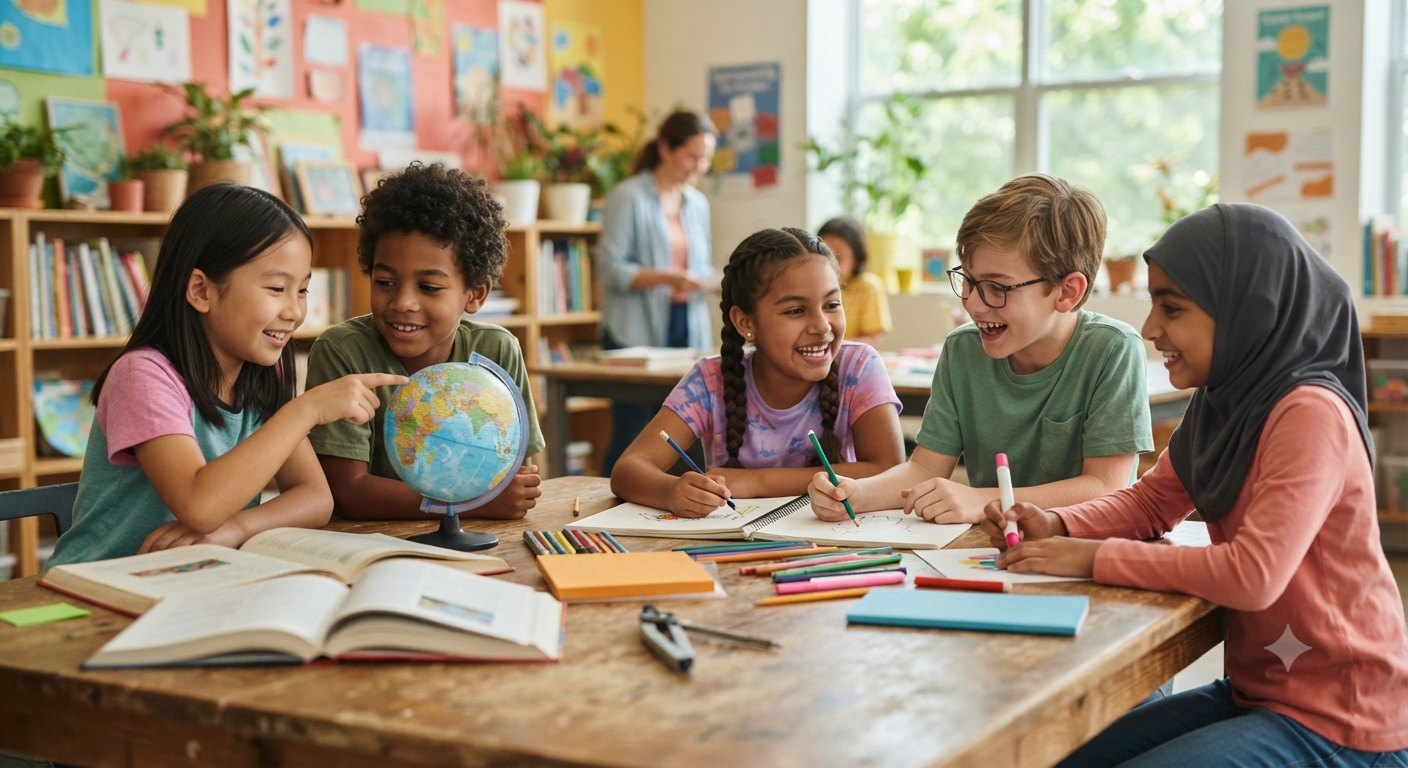
Supporting orphans requires more than responding to immediate needs. Children need safety, stability, education, and caring relationships to develop well. Therefore, preventive support can address challenges before they become deeper problems. Additionally, timely assistance can help children maintain routines and pursue their education. Hilf Al-Fudul Foundation supports vulnerable children through humanitarian programs and community-based initiatives. As a result, donation and volunteering can contribute to longer-term support for children.
What Does Preventive Support Mean for Orphans?
Preventive support focuses on reducing risks before they affect a child’s future. It can include education, nutrition, healthcare access, and safe living conditions. For orphans, these forms of support can create greater stability during difficult periods. First, children need their basic needs met consistently and respectfully. Then, they need opportunities to learn, communicate, and develop their abilities. Preventive programs can also help families and communities recognize emerging difficulties. This approach values early support instead of waiting for a crisis.
A child who receives regular school materials can remain connected to education. Another child may need nutritional support to maintain daily energy. Someone else may need access to basic healthcare or emotional guidance. Each situation requires a different response based on the child’s circumstances. Therefore, effective support should consider the whole child. It should also respect the child’s dignity, privacy, and individual needs.
How Preventive Support Helps Orphans Develop
Child development involves physical, emotional, social, and intellectual growth. These areas often influence one another throughout childhood. When basic needs remain uncertain, children may struggle to focus on learning. Consistent support can instead create a more predictable daily environment. This stability can help children participate in school and social activities. Moreover, children can gradually develop confidence through positive experiences. Preventive support therefore contributes to development without reducing children to their difficulties.
Education represents one important part of this process. However, education alone cannot address every challenge a child may face. Children also need suitable nutrition, safe environments, and supportive relationships. Community programs can connect these different areas when resources allow. Additionally, regular support can help adults notice changing needs earlier. Such an approach encourages responsible and child-centered humanitarian work.
Education Creates Opportunities for Orphans
Education can give children knowledge, practical skills, and broader opportunities. For orphans, consistent educational support can protect an important part of childhood. School attendance also provides structure and regular contact with teachers and peers. However, some children face barriers that make education difficult to maintain. These barriers may involve school materials, transportation, household responsibilities, or financial hardship.
A preventive approach can address such barriers before they interrupt learning. Support may include books, stationery, school clothing, or educational scholarships. Each contribution should respond to an identified need rather than assume every child needs the same thing. This principle helps humanitarian organizations use resources responsibly. It also allows children to continue learning with greater confidence.
Why Early Educational Support Matters
Early support can reduce the risk of long-term educational disruption. When children receive help at the right time, they can stay connected with their learning. Teachers and caregivers can also notice changes in attendance or participation. This information can guide additional support when necessary. Therefore, education programs should combine material assistance with attention to individual circumstances.
The goal should not simply involve keeping a child in school. Children also need opportunities to understand lessons and develop their abilities. Support can help create conditions where learning becomes more consistent. In this way, education becomes part of a broader child development strategy.
Emotional Stability and Social Development
Children need more than physical resources to grow in healthy ways. They also benefit from reliable adults, stable routines, and respectful communication. Orphans may experience significant changes in their family and social environment. Each child’s experience remains unique, so support should avoid assumptions about their emotions. Instead, caregivers and organizations should listen carefully and respond appropriately.
Community support can help children maintain positive social connections. Safe educational spaces can encourage cooperation and communication. Recreational activities can also provide opportunities for creativity and friendship. These experiences may help children develop social skills over time. Additionally, supportive adults can reinforce a child’s sense of belonging and dignity.
Preventive support does not mean attempting to control every aspect of a child’s life. Rather, it means creating conditions that allow children to develop safely. Children need age-appropriate responsibilities and opportunities to make choices. They also need adults who recognize their strengths. This balanced approach can support confidence without creating unnecessary dependence.
Health and Nutrition Support for Orphans
Health represents another essential part of child development. Children need adequate nutrition, hygiene, and access to appropriate healthcare. When families face financial hardship, these needs can become harder to manage. Preventive assistance can help address basic needs before they become more serious concerns. Therefore, health-related programs can complement educational and social support.
Nutrition deserves particular attention during childhood. Children require suitable nourishment as they grow and remain active. A child who regularly lacks adequate food may face difficulties in everyday activities. Support programs can therefore consider food assistance alongside other forms of aid. However, organizations should design these programs according to local conditions and identified needs.
Healthcare support can also involve routine checkups and access to essential services. Such assistance should respect local healthcare systems and professional guidance. It should also protect children’s privacy and dignity. Responsible humanitarian work keeps these principles at the center of every intervention.
How Donation Can Support Preventive Programs
A donation can help humanitarian organizations maintain programs that address children’s different needs. However, effective giving requires more than focusing on the amount donated. Donors should consider whether an organization communicates clearly about its activities. Transparency helps people understand how humanitarian programs operate. It also encourages a stronger relationship between donors and organizations.
A donation may support educational materials, scholarships, food assistance, or other child-focused programs. The exact use depends on the organization’s current projects and identified needs. Therefore, donors should review the information provided by the organization. Clear communication can help donors make informed decisions.
For Hilf Al-Fudul Foundation, humanitarian assistance follows a broader principle of supporting vulnerable people without discrimination. The foundation works across different communities and countries. Its programs include assistance for children, families, and people facing difficult circumstances. This approach places human dignity at the center of humanitarian support.
Orphans Need Community Support Too
Humanitarian organizations cannot address every challenge alone. Local communities also play an important role in supporting children. Teachers, caregivers, community leaders, volunteers, and donors can contribute in different ways. Together, they can help identify needs and create practical solutions. This cooperation can make support more responsive to local circumstances.
Community involvement also encourages shared responsibility. People can contribute time, professional skills, educational materials, or financial resources. Some may support a particular campaign, while others may volunteer regularly. Every form of participation should respect children’s privacy and dignity.
The Role of Volunteering
Volunteering can complement financial contributions in meaningful ways. Volunteers may support educational activities, fundraising efforts, awareness campaigns, or administrative tasks. Their contribution depends on the organization’s needs and safeguarding procedures. Importantly, volunteering should always prioritize children’s safety and privacy.
Responsible volunteering requires patience, consistency, and respect. Volunteers should avoid treating vulnerable children as objects of charity. Instead, they should recognize children as individuals with abilities, aspirations, and rights. This perspective creates more respectful humanitarian relationships.
Why Preventive Support Has Long-Term Value
Emergency assistance becomes essential when children face immediate hardship. Yet preventive support can address conditions that create repeated difficulties. For example, educational assistance can help prevent interruptions in schooling. Health support can encourage earlier attention to emerging needs. Community programs can also strengthen local capacity over time.
This does not mean preventive support can replace emergency assistance. Both approaches serve different purposes. Emergency aid responds to urgent situations, while preventive programs address longer-term vulnerabilities. A strong humanitarian model can combine both approaches when circumstances require it.
For orphans, continuity matters particularly during periods of change. Consistent support can help preserve education, routines, and social connections. It can also help communities respond to new needs more effectively. Therefore, preventive assistance represents an important part of sustainable child-focused humanitarian work.
Building a Safer Future for Children
Supporting children means considering their present needs and future opportunities. Food, education, healthcare, and safe environments all contribute to this goal. However, effective assistance should always begin with listening and understanding. Every community has different challenges, resources, and cultural circumstances. Therefore, programs should adapt to local realities rather than follow one universal model.
Hilf Al-Fudul Foundation approaches humanitarian work with a commitment to dignity and inclusion. Its activities extend across more than 12 countries, supporting vulnerable communities through different programs. These programs include education, water projects, sacrifice campaigns, emergency assistance, and other forms of aid. Child-focused support can become part of this wider humanitarian framework.
Ultimately, preventive support gives children opportunities to continue developing despite difficult circumstances. It can help protect education, health, social connections, and daily stability. Moreover, it encourages communities to address challenges before they grow. Orphans deserve support that recognizes both their needs and their potential. A thoughtful donation or meaningful volunteering effort can contribute to this wider mission.
Conclusion: Supporting Orphans With Dignity
Children need more than temporary assistance to build secure and hopeful futures. Preventive support can help protect education, health, stability, and social development. For orphans, consistent assistance can provide valuable opportunities during important years of growth. Additionally, community participation can strengthen these efforts and encourage sustainable solutions. Transparent humanitarian work can connect donors and volunteers with meaningful initiatives. As a result, supporting children becomes a shared responsibility rooted in dignity and respect.
Donate: /make-a-donation/
Become a Volunteer: /become-volunteer/


