

Orphan Support and Its Impact on the Future

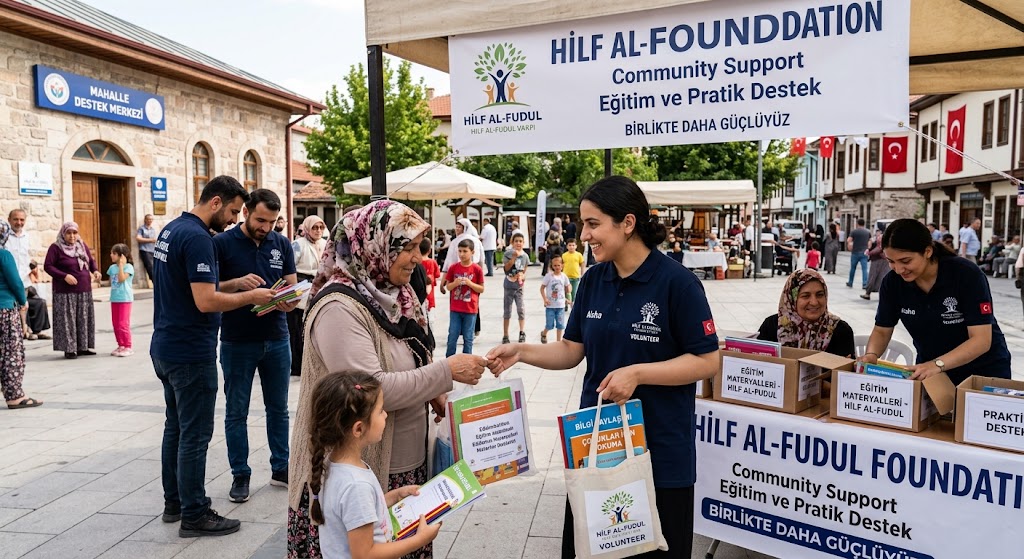
Every child deserves safety, education, and opportunities for the future. Yet some children grow up without one or both parents. This situation can create financial, educational, and social challenges. Therefore, orphan support should address more than immediate material needs. It should also help children develop confidence and build long-term opportunities. Moreover, sustainable support can strengthen families and communities over time. Hilf Al-Fudul Foundation supports orphan-focused humanitarian initiatives with this broader perspective.
What Does Orphan Support Mean?
Orphan support includes different forms of assistance designed around children’s needs. These efforts can include education, basic necessities, healthcare support, and family assistance. The exact needs can vary according to each child’s circumstances. Therefore, responsible organizations should avoid treating every child in the same way.
A child may need school materials at one stage. Another child may require support with essential household expenses. Some children may benefit from educational opportunities that continue for several years. Consequently, effective support requires attention to both immediate and future needs.
The goal should always remain the child’s wellbeing and dignity. Support should help children continue their development without creating unnecessary dependency. For this reason, long-term planning plays an important role in humanitarian programs.
How Can Orphan Support Shape a Child’s Future?
Children need stability to develop their skills and pursue education. Financial difficulties can sometimes make regular schooling harder for vulnerable families. Orphan support can help reduce some of these barriers. It can therefore contribute to more consistent educational opportunities.
For example, a child may have strong academic potential but lack essential school supplies. A suitable support program can help address this practical obstacle. Another child may need assistance with transportation or educational expenses. Small forms of support can therefore make regular education more accessible.
Education alone cannot solve every challenge. However, it can expand a child’s future choices and skills. It can also support greater independence later in life. This makes education an important component of sustainable orphan support.
Why Should Support Go Beyond Basic Needs?
Providing food, clothing, or financial assistance can address immediate needs. These forms of aid remain important, especially during difficult periods. However, children also need opportunities to learn and develop. Therefore, effective programs should consider both present needs and future goals.
Long-term support can include several areas:
- Educational materials and school expenses
- Basic household assistance
- Access to healthcare when needed
- Skills development and educational opportunities
- Social and emotional support
- Assistance that strengthens family stability
These areas can work together rather than operating separately. A stable environment can make educational progress easier. Education can then support greater independence in adulthood. Thus, humanitarian support can create a stronger foundation for the future.
The Role of Education in Long-Term Development
Education can influence a child’s opportunities for many years. It helps children gain knowledge, develop skills, and understand different possibilities. For orphaned children, educational continuity can hold particular importance. Losing parental support should not automatically mean losing access to education.
Consider a student who wants to continue school despite difficult circumstances. Regular support can help the student remain focused on education. Over time, that continuity may open new academic and professional possibilities. The example demonstrates why humanitarian programs should consider long-term outcomes.
However, education should respect each child’s individual circumstances. Not every child will follow the same academic path. Some may pursue vocational skills, while others may continue through higher education. Good support programs should therefore encourage different forms of development.
How Can Donations Create Sustainable Opportunities?
A donation can provide immediate relief or contribute to longer-term programs. The impact depends on how organizations manage and direct available resources. Transparent planning helps ensure that support responds to genuine needs. It also helps donors understand the purpose of their contributions.
Donors can support different areas depending on the organization’s programs. They may contribute to education, basic needs, emergency assistance, or family support. A recurring donation can also help organizations plan more consistently. Nevertheless, every contribution should respect the organization’s actual priorities.
Responsible giving focuses on meaningful impact rather than emotional pressure. Donors should have access to clear information about humanitarian programs. They should also understand how organizations evaluate and monitor their work. This approach strengthens trust and encourages sustainable donations.
Why Does Family Stability Matter?
Children do not live separately from their communities. Their development often depends on the stability of the family environment. Supporting an orphan may therefore require attention to the household as well. Family-focused assistance can sometimes benefit several members simultaneously.
For example, a guardian may struggle to cover school-related expenses. Supporting the child’s education can reduce one part of that pressure. Other forms of assistance may help the household maintain greater stability. As a result, the child can continue education in a more supportive environment.
This approach also protects dignity. Humanitarian support should recognize families as partners rather than passive recipients. It should focus on practical needs while respecting personal circumstances. Such an approach can make support more sustainable over time.
The Importance of Volunteering in Orphan Support
Humanitarian work depends on more than financial contributions. Volunteering can also strengthen awareness and community solidarity. Volunteers can support fundraising activities, awareness campaigns, and organizational initiatives. They can also encourage responsible humanitarian engagement within their communities.
Volunteering does not require everyone to contribute in the same way. Some people may offer professional skills. Others may help with communication or community events. Some may simply share reliable information about humanitarian needs.
This diversity makes volunteering valuable. It allows people to contribute according to their abilities and available time. More importantly, it builds a culture of shared responsibility. Communities become stronger when people recognize that support can take many forms.
Measuring the Future Impact of Orphan Programs
A successful program should look beyond the number of children it reaches. Numbers can provide useful information, but they cannot explain every outcome. Organizations should also consider educational continuity, family stability, and long-term development. These indicators can provide a broader understanding of program effectiveness.
For instance, an education program may track school attendance and educational progress. A family support program may consider household stability and ongoing needs. Different programs require different evaluation methods. Therefore, organizations should select indicators that match their objectives.
Transparency also matters during this process. Donors and supporters deserve clear information about humanitarian activities. Honest reporting can show both achievements and ongoing challenges. This approach creates realistic expectations and stronger relationships with supporters.
Building a Future Through Consistent Support
Children need more than temporary assistance to build secure futures. They need opportunities that match their circumstances and aspirations. Consistent support can help create those opportunities. Moreover, it can encourage children to develop confidence and independence.
Imagine a student who receives educational support for several years. The assistance may begin with basic school materials. Later, it may support additional educational opportunities. Over time, the child can develop skills that support greater independence.
This example shows why continuity matters. One contribution can address one immediate need. A well-planned program can support development across several stages. Therefore, humanitarian organizations should consider long-term planning alongside immediate assistance.
Hilf Al-Fudul Foundation’s Approach to Orphan Support
Hilf Al-Fudul Foundation works to support people facing difficult circumstances. The foundation follows an inclusive humanitarian approach without discrimination based on religion, language, or ethnicity. Its activities include orphan support, water wells, education assistance, emergency aid, and other humanitarian initiatives.
The foundation’s broader goal focuses on connecting generosity with practical needs. This means recognizing the individual circumstances of people receiving support. It also means encouraging transparent and responsible humanitarian work.
Orphan support forms an important part of this approach. Children deserve opportunities to learn, grow, and develop their potential. Support programs can help create conditions that make these opportunities more accessible.
A Shared Responsibility for the Future
The future of every community depends partly on how it supports its children. Orphaned children deserve the same opportunity to develop their abilities. Humanitarian organizations can help address barriers that affect their education and wellbeing.
At the same time, communities can contribute through donations and volunteering. Each form of support can strengthen wider humanitarian efforts. What matters most is responsible action based on genuine needs.
Ultimately, orphan support should look toward tomorrow as well as today. Providing immediate assistance matters, but creating opportunities can have a longer impact. Education, family stability, and consistent care can help children move toward greater independence.
Hilf Al-Fudul Foundation continues its humanitarian efforts across different communities. Through collective support, people can contribute to programs that focus on dignity, opportunity, and hope. A child’s future should not be limited by circumstances beyond their control.


