

Why Transparency Matters in Qurbani Organizations

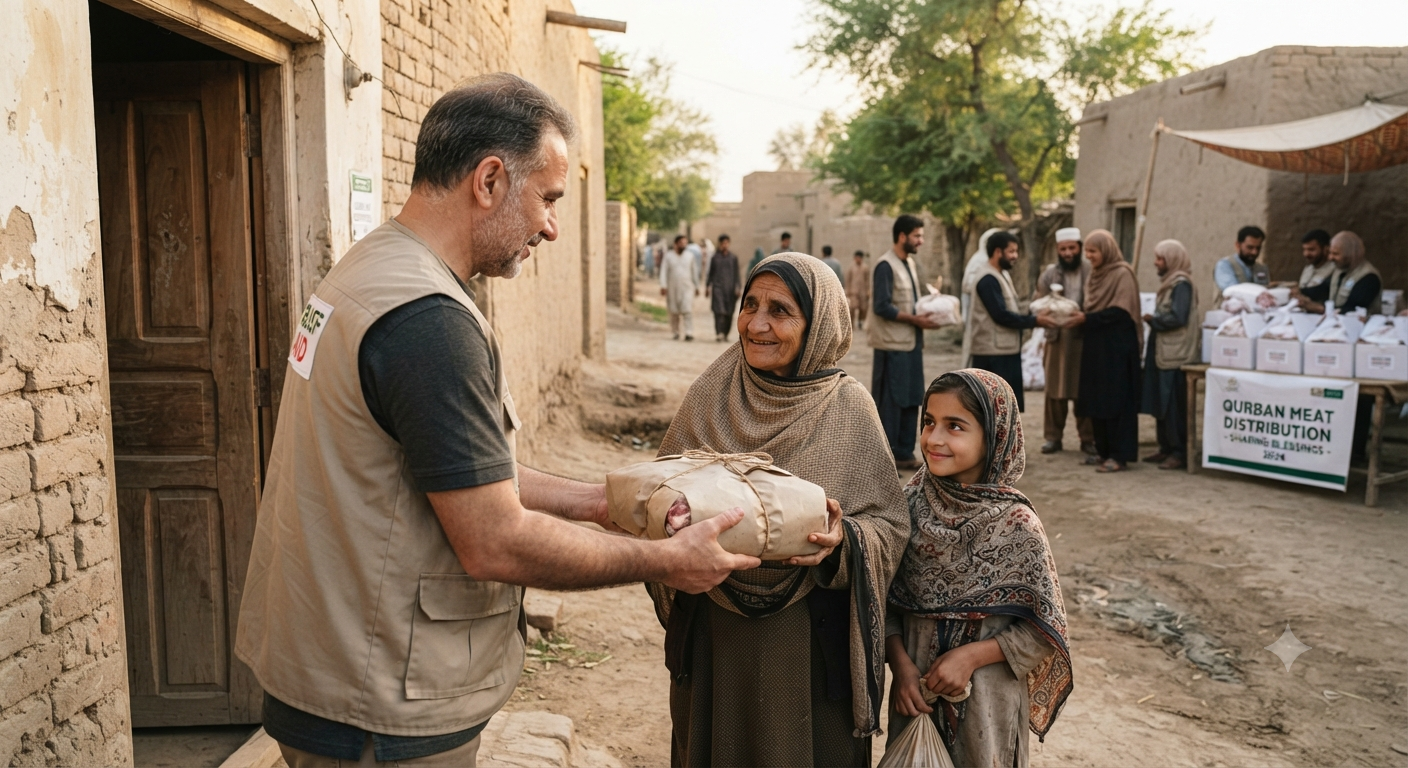
Qurbani carries both religious meaning and a strong spirit of sharing. For many families, it represents worship, generosity, and solidarity. Therefore, people deserve clear information about every Qurbani organization they support. Hilf Al-Fudul Foundation approaches humanitarian work with transparency and responsibility. Moreover, the Foundation supports communities without discrimination based on religion, language, or ethnicity. Through careful planning, it connects donors with communities that need support. Ultimately, transparency helps turn a charitable intention into responsible humanitarian action.
What Does Transparency Mean in Qurbani Organizations?
Transparency means providing clear information about how an organization manages Qurbani donations. It begins with explaining the purpose and scope of the campaign. Donors should understand where their contribution goes and how teams use it. Furthermore, organizations should communicate their distribution process in understandable terms. Clear communication reduces uncertainty and strengthens relationships with supporters.
A transparent Qurbani organization also respects the dignity of recipients. It does not reduce communities to numbers or anonymous beneficiaries. Instead, it recognizes their needs and local circumstances. Organizations should also communicate realistic information about their activities. They should avoid exaggerated promises or emotional claims without evidence. In this way, transparency becomes a practical part of humanitarian ethics.
Why Is Transparency Important for Qurbani?
Transparency matters because Qurbani depends on trust between several groups. Donors entrust organizations with an important religious and charitable responsibility. Local teams then coordinate purchasing, preparation, and distribution. Finally, recipient families receive the meat according to the organization’s program. Each stage requires responsible planning and communication.
For example, imagine someone living far from the community receiving the support. That donor cannot personally observe the process. They therefore depend on accurate information from the organization. Clear updates can explain the project’s location, timing, and general distribution process. Such communication gives donors a better understanding of their contribution. It also creates greater accountability within humanitarian operations.
Transparency in Qurbani Donation Collection
The first important stage involves collecting the donation. Organizations should explain what the contribution supports. They should also provide clear information about the campaign and its intended beneficiaries. This information helps donors make informed decisions before contributing.
A responsible organization avoids unclear financial language whenever possible. It explains relevant costs and operational requirements in accessible terms. However, every organization has different administrative structures and project conditions. Therefore, transparency does not require identical reporting methods everywhere. It requires honest, understandable, and consistent communication.
Organizations can also provide information through their websites and campaign updates. They may share general project details without exposing private beneficiary information. This balance protects dignity while maintaining accountability. Consequently, responsible donation practices support both trust and humanitarian principles.
How Should Qurbani Distribution Work?
The distribution stage represents one of the most important parts of a Qurbani campaign. Organizations need to coordinate local teams, suppliers, transport, and recipient communities. Each location may present different logistical challenges. Therefore, organizations should adapt their planning to local circumstances.
A clear distribution process can include several practical steps:
- Identifying communities with relevant needs.
- Coordinating suitable local suppliers and teams.
- Organizing the Qurbani process according to applicable requirements.
- Preparing portions for distribution.
- Delivering support to identified recipient families.
- Documenting the overall project responsibly.
- Sharing appropriate updates with donors.
These steps can vary according to local conditions and organizational procedures. Nevertheless, clear planning helps teams manage resources responsibly. It also allows organizations to identify potential problems earlier. Good coordination ultimately supports a more orderly humanitarian response.
Why Does Communication Matter After Qurbani?
Transparency should not end when distribution finishes. Donors also deserve meaningful information about the completed campaign. Organizations can provide updates about locations, activities, and general outcomes. They can also explain any significant challenges that affected implementation.
For instance, a project may encounter transportation or supply difficulties. Local conditions may also change during the campaign period. Responsible communication should acknowledge such circumstances when relevant. It should not present humanitarian work as completely free from challenges. Honest reporting helps supporters understand the realities of field operations.
At the same time, organizations should protect the privacy of recipients. Photos and stories require particular care and respect. Humanitarian communication should never compromise someone’s dignity for publicity. This principle becomes especially important when organizations work with vulnerable communities.
How Does Transparency Build Donor Trust?
Trust develops through consistent actions rather than a single campaign message. A Qurbani organization builds trust when it communicates clearly before, during, and after its activities. Donors can then understand the relationship between their contribution and the humanitarian project. Over time, consistent communication creates stronger accountability.
Transparency also helps donors understand that humanitarian work involves complex processes. Purchasing animals, coordinating teams, reaching communities, and organizing distribution require preparation. Different countries can also present different logistical and regulatory conditions. Therefore, responsible organizations communicate these realities without unnecessary complexity.
Trust does not mean promising perfect results. Instead, it means communicating honestly about what an organization can achieve. This approach creates realistic expectations for supporters. It also encourages a healthier relationship between donors and humanitarian organizations.
The Role of Local Communities in Qurbani Projects
Local knowledge can significantly improve humanitarian planning. Community members understand their environment, needs, and practical challenges. Local teams can therefore help organizations coordinate activities more effectively. Their involvement can also support culturally appropriate communication.
Hilf Al-Fudul Foundation works internationally across more than 12 countries. Each country and community can have different social and logistical circumstances. Therefore, the Foundation’s humanitarian work requires attention to local realities. This approach helps organizations avoid applying one identical model everywhere.
Community participation can also strengthen accountability. Local teams can identify problems and communicate changing needs. They can help organizations understand whether a project reached its intended recipients. Consequently, transparency works best when organizations listen as well as report.
What Can Donors Look for in a Qurbani Organization?
People can consider several practical questions before making a donation. These questions do not require specialist knowledge. They simply encourage careful attention to the organization’s communication and practices.
Questions Worth Asking
- Does the organization clearly explain its Qurbani campaign?
- Does it identify the general locations of its activities?
- Does it explain its distribution approach?
- Does it provide campaign updates?
- Does it communicate realistic information?
- Does it respect beneficiary dignity and privacy?
- Does it provide clear ways to contact the organization?
These questions can help donors evaluate the information available to them. They also encourage organizations to maintain clear communication. Most importantly, donors can support humanitarian work with greater awareness.
How Can Volunteering Support Transparent Humanitarian Work?
Volunteering can contribute to humanitarian work in several ways. Volunteers may support awareness campaigns, communication activities, fundraising efforts, or community outreach. They can also help share accurate information about humanitarian needs. Not every volunteer needs professional field experience.
Responsible volunteering should respect the communities involved. Volunteers should avoid treating humanitarian projects as opportunities for personal publicity. Instead, they can focus on supporting the organization’s objectives and protecting beneficiary dignity. This approach makes volunteering more meaningful and responsible.
Volunteers can also encourage others to ask informed questions. They can explain why transparency matters in charitable activities. In this way, volunteering contributes not only to individual campaigns. It can also strengthen a wider culture of responsible giving.
Qurbani, Trust, and Responsible Giving
A Qurbani donation represents more than a financial contribution. For many people, it expresses faith, generosity, and concern for others. Organizations therefore carry an important responsibility when they coordinate these contributions. They must manage resources carefully and communicate honestly.
Transparency supports this responsibility at every stage. It helps donors understand how organizations plan their work, it helps teams maintain accountability during implementation. It also helps recipients receive support with dignity and respect.
Hilf Al-Fudul Foundation brings this approach to its humanitarian activities. Its work extends beyond Qurbani and includes water wells, education support, and emergency assistance. The Foundation serves people regardless of religion, language, or ethnicity. Through responsible humanitarian action, it seeks to connect generosity with genuine community needs.
Conclusion: Transparency Strengthens the Meaning of Qurbani
Transparency gives Qurbani organizations a stronger foundation for responsible humanitarian work. It helps donors understand where their support goes and how teams manage projects. It also encourages organizations to communicate honestly about their activities. Most importantly, it protects the dignity of communities receiving assistance.
Ultimately, trust grows when organizations combine clear communication with responsible action. Donors can contribute more confidently when they receive meaningful information. Volunteers can also participate more effectively when organizations communicate their needs clearly. Therefore, transparency should remain an essential part of every responsible Qurbani campaign.
Make a donation to support Hilf Al-Fudul Foundation’s humanitarian work, or become a volunteer and help strengthen communities through responsible giving.


