
Water Well Donation and Children’s Daily Lives

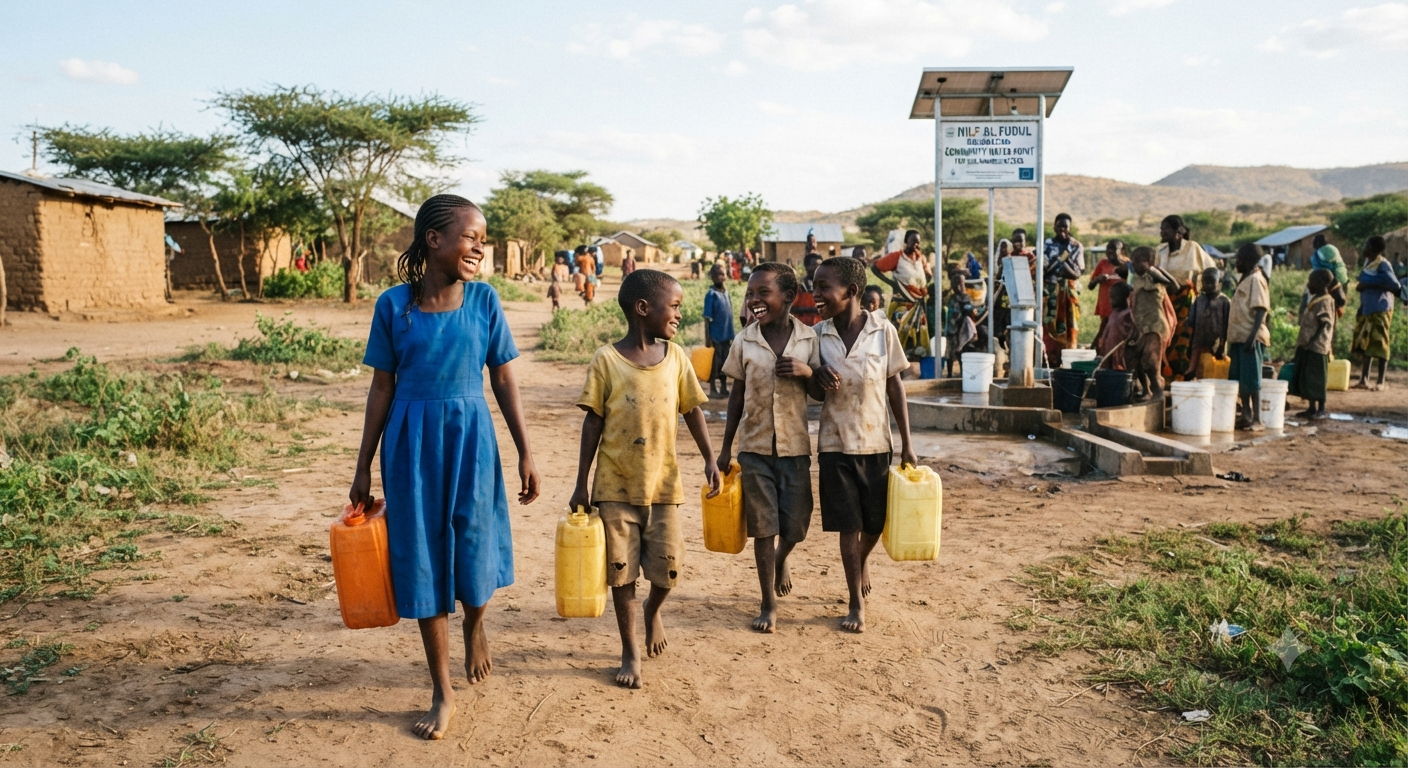
Access to clean water shapes almost every part of a child’s daily life. Yet some children grow up without a reliable source of safe water nearby. First of all, water scarcity can affect school attendance, household routines, health, and family life. Moreover, children may spend valuable time helping their families find and carry water. Therefore, a water well donation can support more than access to drinking water. It can also create opportunities for children to spend more time learning and playing. Hilf Al-Fudul Foundation supports humanitarian projects that connect communities with essential resources. In addition, the foundation works to encourage donation and volunteering as practical forms of solidarity.
What Does a Day Without Clean Water Look Like?
For many children, water seems like an ordinary part of life. They drink it, wash with it, and use it at home and school. However, daily routines change when a safe water source remains far away. Families may need to plan their day around finding enough water. Children can become part of this routine, depending on their family circumstances. They may accompany adults or help with household water collection. This responsibility can take time away from school, rest, and recreation. A nearby water source can therefore make everyday life more manageable.
How Water Scarcity Can Affect Children
Water scarcity does not affect every child in the same way. However, limited access can create additional challenges for families. Children need clean water for drinking and everyday hygiene. Families also need water for preparing food and maintaining basic household cleanliness. When water remains difficult to access, families may face difficult choices. They may need to spend more time collecting water or travel farther to find a source. Such routines can make daily life harder, especially for families with young children. This is why reliable water access matters beyond the simple act of drinking.
Water Well Donation Can Support Children’s Daily Routines
A water well donation can contribute to a more accessible local water source. The impact depends on the location, project design, water availability, and community needs. A well does not solve every challenge that a community faces. Nevertheless, it can become an important part of a broader humanitarian response. When families have a closer water source, daily routines may become easier. Children can potentially spend less time helping with water collection. That time can instead support schoolwork, family activities, rest, or play. Consequently, a water project can influence several parts of community life.
Children and the Journey for Water
Imagine a child preparing for school in the morning. Before leaving home, the child may need to help with household tasks. In communities with limited water access, collecting water can become one of those tasks. The distance and time involved vary considerably between communities. Some families may live close to a source, while others may face greater challenges. The child’s experience also depends on age, family structure, and local conditions. Therefore, humanitarian organizations should avoid presenting every community through one story. Each community deserves an approach based on its actual circumstances.
How Clean Water Can Support Education
Education requires time, stability, and a suitable environment for learning. Water scarcity can add responsibilities to a child’s daily routine. In some communities, children may help their families collect water. This responsibility can reduce the time available for school-related activities. A closer water source can help families manage their routines more efficiently. As a result, children may have more opportunities to focus on education. Water access alone cannot guarantee school attendance or academic success. However, it can remove one practical barrier from everyday family life.
Water Access and School Attendance
School attendance depends on many different factors. Poverty, transportation, safety, family responsibilities, and local infrastructure can all matter. Water access represents one part of this wider picture. When children spend less time supporting water collection, families may gain greater flexibility. This flexibility can help children maintain their educational routines. Humanitarian projects should therefore consider water access alongside other community needs. A long-term approach can connect water, education, health, and community development. Such cooperation creates a more complete response to local challenges.
Health and Hygiene Start With Access to Water
Clean water plays an important role in everyday hygiene. Children need water for washing hands, bathing, and maintaining personal cleanliness. Families also need safe water when preparing food and cleaning household items. When reliable water access remains limited, maintaining these routines can become more difficult. This does not mean every water-scarce community faces the same health outcomes. Instead, it highlights why safe and reliable water deserves attention. Water projects should also consider quality, maintenance, and community management. A successful project needs more than simply creating a physical water source.
Why Community Participation Matters
A water project should respond to the needs of the community it serves. Local participation can help organizations understand those needs more accurately. Community members can provide valuable knowledge about water sources and daily routines. They can also contribute to decisions about location, access, and long-term management. This approach can strengthen local ownership of the project. It also encourages communities to participate in protecting and maintaining shared resources. For humanitarian organizations, listening to communities remains an essential part of responsible action.
What Does a Water Well Donation Support?
- A water well donation can contribute to different stages of a water project. The exact scope depends on the organization, location, and project requirements. A donation may support activities such as:
- Assessing local water needs.
- Identifying suitable water sources.
- Planning the project with local partners.
- Constructing or developing a water point.
- Supporting access for community members.
- Providing appropriate project follow-up.
- Communicating relevant project information to donors.
- Each project requires its own planning process. Therefore, donors should review the organization’s information before contributing. Transparent communication helps donors understand what their donation supports. It also helps humanitarian organizations build lasting relationships with supporters.
Why Transparency Matters in Water Projects
Humanitarian donations require trust. People want to understand where their contributions go and what they support. This expectation becomes especially important for infrastructure projects such as water wells. Organizations should communicate their project goals clearly. They should also explain the communities they aim to support. Where appropriate, project updates can help donors understand progress and outcomes. Clear information does not require exaggerated promises or emotional language. Instead, it allows people to support humanitarian work with greater confidence.
Hilf Al-Fudul Foundation and Water Well Projects
Hilf Al-Fudul Foundation works in humanitarian aid and supports people facing difficult living conditions. Its activities include water projects, food assistance, education support, emergency aid, and other humanitarian initiatives. The foundation seeks to reach people without discrimination based on religion, language, or ethnicity. Water projects represent one way to address an essential community need. A water well donation can connect supporters with these efforts. At the same time, responsible humanitarian work requires attention to local needs and practical project conditions.
Beyond Donation: The Role of Volunteering
Not every contribution needs to involve money. Volunteering can also support humanitarian organizations and their communities. Volunteers may help with awareness campaigns, communication, fundraising activities, or organizational tasks. Their contribution can help humanitarian messages reach wider audiences. However, volunteering should always respect the dignity and privacy of people receiving assistance. Humanitarian stories should inform rather than exploit personal hardship. Responsible volunteering focuses on meaningful support and respectful communication. In this way, people can contribute their time alongside their financial support.
A Water Well Can Mean More Than Water
A water well represents a physical resource, but its importance can extend further, a closer water source may influence household routines and community activities. Children may gain more time for school, study, or recreation. Families may also spend less time organizing daily water collection. Local institutions can potentially benefit from improved access as well. These outcomes depend on the specific project and community. Therefore, organizations should describe potential benefits carefully. Humanitarian work becomes stronger when it combines hope with realistic expectations.
How Can You Support a Water Well Project?
People who want to support clean water projects can begin by researching the organization involved. First, examine the project information and understand its stated purpose. Next, review how the organization communicates its humanitarian activities. Then, consider whether the project matches the type of support you want to provide. You can also ask questions about project location, implementation, and follow-up. A water well donation should come from informed generosity rather than pressure. This approach helps create a more transparent relationship between donors and humanitarian organizations.
What Should You Consider Before Making a Donation?
- Before making a donation, consider several practical points:
- Learn about the organization’s humanitarian activities.
- Review the purpose of the water project.
- Check whether the organization explains its processes clearly.
- Look for information about project locations and communities.
- Understand what your contribution intends to support.
- Consider whether the organization provides project updates.
- These steps can help you make a thoughtful decision. They also encourage greater transparency within the humanitarian sector. Most importantly, support should respect the dignity of communities and individuals. A responsible approach sees beneficiaries as partners rather than simply recipients of aid.
Small Acts Can Support Meaningful Change
Clean water is an everyday need that connects many aspects of community life. For children, access can influence routines that extend far beyond drinking. It can affect time, hygiene, household responsibilities, and educational opportunities. A water well donation cannot address every challenge a community faces. However, it can support a practical response to one important need. When organizations work with communities, water projects can become part of broader humanitarian efforts. Donation and volunteering can both contribute to this work. Ultimately, meaningful solidarity begins with listening, understanding, and acting responsibly.
Conclusion: Supporting Children Through Clean Water
Every child deserves the opportunity to grow, learn, and participate in everyday life. Reliable access to clean water can help families manage essential routines with greater ease. It can also support conditions that allow children to focus on education and childhood activities. A water well donation offers one practical way to contribute to humanitarian water projects. Yet meaningful aid requires transparency, community participation, and responsible planning. Hilf Al-Fudul Foundation continues its humanitarian work across different communities and countries. By combining donation with volunteering, supporters can contribute to a culture of lasting solidarity.


