
Water Well Donation: What Should You Consider?

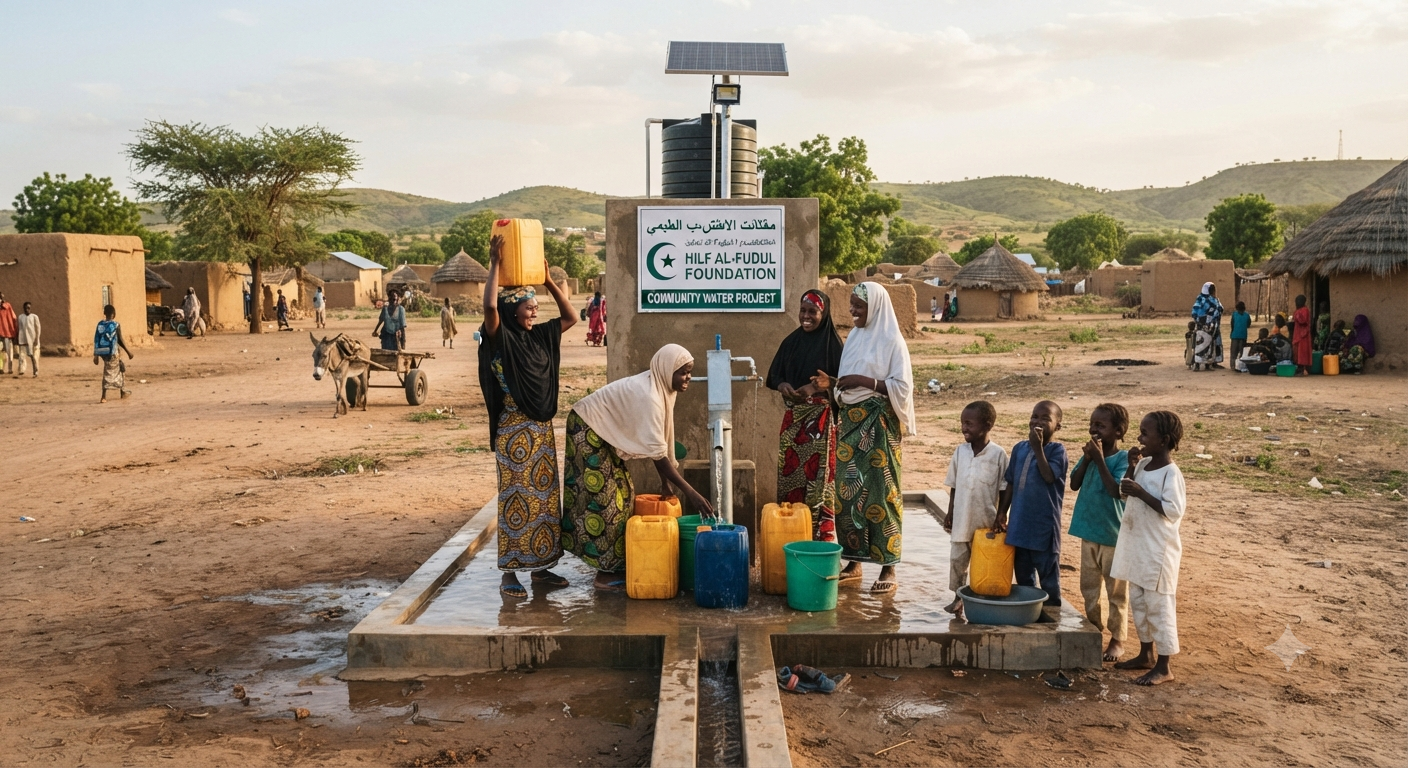
Water is one of the most basic needs in human life. Yet some communities still struggle to access reliable water sources. Therefore, a Water Well Donation can support an essential need in a practical way. First, donors should understand where and how their support will help. They should also consider the organization behind the water project. Hilf Al-Fudul Foundation supports humanitarian projects in more than 12 countries. In addition, the foundation works across water, education, emergency aid, and sacrifice programs.
Why Is a Water Well Donation Important?
Access to water affects many parts of daily life. People need water for drinking, cooking, cleaning, and other basic activities. However, some communities live far from suitable water sources. Others may face difficult local conditions that limit regular access. In such situations, water projects can address a fundamental community need. A Water Well Donation can therefore become a meaningful form of humanitarian support. Its impact depends on local needs, project planning, and long-term management.
The value of a water project does not depend only on its physical construction. The project should also respond to a genuine need within the community. For this reason, donors should look beyond simple campaign messages. They should learn about the project’s location and purpose. They can also ask how the organization identifies communities that need support. These questions help donors make more informed decisions.
Water Well Donation and Organizational Trust
Before making a Water Well Donation, consider the organization carefully. A trustworthy humanitarian organization should explain its work clearly. Donors should be able to find basic information about its projects. They should also understand the organization’s general humanitarian approach. Transparency can help build a stronger relationship between donors and organizations.
First, review the organization’s official website and project information. Then, look at its areas of operation and humanitarian programs. Consider whether the organization communicates its goals in a clear way. It can also help to review available information about donation procedures. These steps do not require complicated research. However, they can help you make a more informed donation.
Trust also involves respectful communication with beneficiaries. Humanitarian organizations should protect people’s dignity and privacy. Images and stories should not turn hardship into emotional spectacle. Instead, communication should explain the real purpose of humanitarian work. This approach supports both transparency and respect.
Does the Project Address a Real Local Need?
Not every community has the same water requirements. Geography, climate, population, and existing infrastructure can differ greatly. Therefore, organizations should assess local conditions before planning a water project. A Water Well Donation should respond to an identified need. The project should also consider the community’s access to existing water sources.
Imagine a community where families travel long distances for daily water needs. The distance can affect how families organize their time. A suitable water project may bring the source closer to the community. This can make daily access more practical. It may also allow people to spend more time on education, work, or family responsibilities. However, the exact impact will always depend on local circumstances.
For this reason, donors should consider the reasoning behind each project. They can ask why the organization selected a particular location. They can also learn how the project fits local needs. This information makes the purpose of a Water Well Donation clearer.
Why Does Sustainability Matter in Water Projects?
Building a water source represents only one part of a successful project. Long-term sustainability also deserves careful attention. Local environmental and geographical conditions can affect a water source. Technical maintenance may also become necessary over time. Therefore, organizations should consider these factors during project planning.
A sustainable project should reflect the conditions of the community. The organization may need to consider maintenance and local management. It should also understand how people will use the water source. Different communities may have different practical requirements. Consequently, there is no single model for every water project.
When considering a Water Well Donation, ask about sustainability. Learn whether the organization considers the project’s long-term needs. This does not mean every project will follow the same process. Instead, it means donors should understand how the organization approaches sustainability.
What Should You Know Before Making a Donation?
A responsible donation begins with clear information. Donors can review several important points before contributing. These points can help them understand the project better.
- Learn about the organization and its humanitarian principles.
- Check the location and purpose of the water project.
- Understand why the community needs the project.
- Review the organization’s approach to sustainability.
- Look for clear information about the donation process.
- Consider whether the organization communicates project progress.
- Protect your own financial limits when choosing an amount.
- Prefer respectful and transparent humanitarian communication.
These steps can make charitable giving more conscious. They also help donors connect their support with a genuine humanitarian need. A donation does not need to be large to carry meaning. What matters is responsible giving within one’s own means.
How Does Volunteering Support Water Projects?
Humanitarian work does not depend only on financial contributions. Volunteering can also support humanitarian initiatives in different ways. Volunteers can help raise awareness about water access. They can share reliable information about humanitarian projects. They may also support campaigns and community activities.
Volunteering can strengthen the culture of solidarity. It allows people to contribute their time and skills. This approach can complement financial support. Someone may not have the means to fund a complete project. However, they may still contribute through communication, awareness, or organizational support.
Water access also connects people across different cultures and backgrounds. Every community needs safe and practical access to water. Humanitarian cooperation can therefore bring people together around a shared need. This principle fits the wider mission of inclusive humanitarian work.
How Can Hilf Al-Fudul Foundation Support Water Projects?
Hilf Al-Fudul Foundation works to support people in need without discrimination based on religion, language, or ethnicity. The foundation carries out humanitarian activities in more than 12 countries. Its programs include water wells, education support, emergency assistance, and sacrifice projects. Water initiatives form an important part of its broader humanitarian approach.
The foundation aims to connect humanitarian support with real community needs. Each location can have different geographical and social conditions. Therefore, water projects require appropriate planning for each area. Donors can learn more about the project before choosing to contribute. This approach supports transparency and informed charitable giving.
A Water Well Donation can become one practical way to support these efforts. It can help provide a resource that communities use in their daily lives. At the same time, donors can contribute according to their own circumstances. This creates a form of solidarity based on choice, trust, and shared responsibility.
A Water Well Donation Can Create Practical Impact
Water projects can influence everyday life in several ways. People use water for drinking, hygiene, cooking, and household activities. Easier access may reduce some of the practical difficulties surrounding water collection. The effects can differ depending on the community and project. Therefore, humanitarian organizations should describe these effects carefully.
Consider a family living far from its nearest water source. Daily water collection may require considerable time and effort. A closer source can make this routine more manageable. Children may also have more time for school or other activities. Families can organize their daily responsibilities with greater flexibility. These examples show why water projects can have practical value.
A Water Well Donation should therefore focus on genuine need. It should not rely on exaggerated promises or emotional pressure. Responsible humanitarian communication explains what the project aims to achieve. It also recognizes that each community has different circumstances.
What Makes a Responsible Water Well Donation?
A responsible Water Well Donation combines generosity with awareness. Donors should understand the project before contributing. They should consider organizational transparency and local needs. Sustainability should also remain part of the decision. These principles can make charitable giving more meaningful.
Moreover, humanitarian support should respect the dignity of beneficiaries. Communities should not become merely subjects of fundraising campaigns. Their needs, circumstances, and privacy deserve careful consideration. A respectful approach strengthens the ethical foundation of humanitarian work.
Ultimately, a donation is a personal decision. Everyone should contribute according to their own financial circumstances. People can also support humanitarian work through volunteering. Both forms of participation can strengthen solidarity. Most importantly, support should reach genuine needs through responsible humanitarian practices.
Conclusion: Give With Awareness and Purpose
A Water Well Donation can support one of the most basic needs of human life. However, donors should consider more than the act of giving itself. They should research the organization, understand the local need, and consider sustainability. Transparency should also guide the donation process. These steps can help turn generosity into responsible humanitarian support.
First, research the organization and its projects. Then, learn about the community and the purpose of the water project. Finally, choose a contribution that fits your circumstances. You can also support humanitarian efforts through volunteering. In the end, meaningful giving starts with understanding and continues through responsible action.


