

Why Is the Number of Orphans Increasing Worldwide?

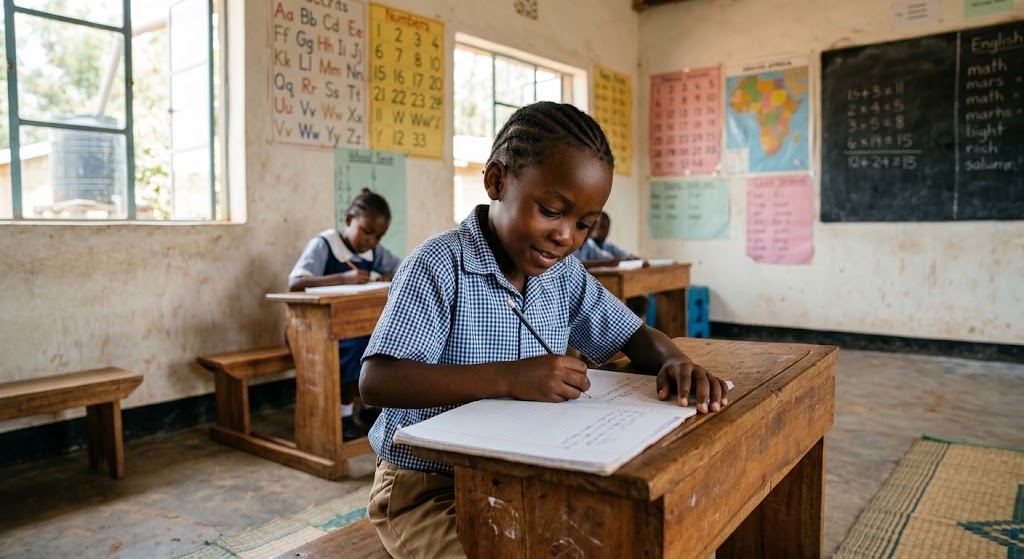
Around the world, millions of children live without one or both parents. UNICEF estimates that about 152 million children experienced orphanhood in 2024. This figure highlights a major humanitarian challenge affecting children across many regions. First of all, losing a parent can change a child’s safety, education, and daily life. Moreover, conflict, disease, poverty, and humanitarian crises can increase these risks. Hilf Al-Fudul Foundation supports vulnerable children through humanitarian programs in more than 12 countries. In addition, sustainable donations and volunteering can help children access essential support and opportunities. Ultimately, protecting children requires long-term cooperation and responsible humanitarian action.
How Many Orphans Are There Worldwide?
The term orphanhood covers more than children who have lost both parents. UNICEF uses the term for children under 18 who have lost one or both parents. According to UNICEF estimates, around 152 million children experienced orphanhood worldwide in 2024. Among them, approximately 13.8 million children lost one or both parents due to AIDS-related causes. Around 10.2 million of these children live in sub-Saharan Africa. These figures show that orphanhood has many different causes. Therefore, we should examine the issue through several social and humanitarian factors. Data collection methods can also differ between countries and regions.
Why Is the Number of Orphans Increasing?
The number of orphans does not increase at the same rate everywhere. Some countries have reduced child mortality through stronger healthcare systems and social protection. However, other regions continue to face serious humanitarian challenges. Armed conflict, infectious diseases, poverty, and displacement can increase the risks children face. Furthermore, countries with younger populations may have larger numbers of children affected by parental loss. Health inequalities can also influence family stability. Therefore, we should avoid explaining global orphanhood through one single cause. Instead, we need to consider the different conditions affecting families.
1. Armed Conflicts and Wars
Armed conflicts can separate children from their families in several ways. Parents may lose their lives during violence or dangerous journeys. Families may also become separated while escaping conflict zones. At the same time, wars can damage hospitals, schools, homes, and essential services. These conditions make children’s daily lives much more difficult. The World Health Organization highlights significant health risks for children in humanitarian settings. Moreover, prolonged conflicts can disrupt education and social support. Consequently, children may need protection long after active fighting ends.
2. Diseases and Parental Loss
Disease remains another factor behind orphanhood in several parts of the world. Limited healthcare access can make preventable and treatable diseases more dangerous. HIV and AIDS have had a particularly significant impact on orphanhood in some countries. UNICEF estimated 13.8 million children experienced AIDS-related orphanhood in 2024. Most of these children live in sub-Saharan Africa. However, other serious diseases can also lead to parental loss. Therefore, improving healthcare access can protect families and children. Stronger health systems can also reduce the long-term social effects of illness.
3. Poverty and Limited Healthcare Access
Poverty does not automatically cause orphanhood. However, it can limit access to healthcare, nutrition, housing, and essential services. These limitations can increase health risks for vulnerable families. The World Health Organization identifies poverty as an important factor affecting child survival. Rural communities may also face greater difficulties accessing healthcare. Furthermore, prolonged illness can place significant financial pressure on households. When a parent dies, families may lose both emotional and economic support. As a result, social protection can play an important role in protecting children.
4. Pandemics and Global Crises
Global health crises can affect children in ways that continue for years. The COVID-19 pandemic demonstrated this reality on a large scale. Researchers estimated that at least 1.5 million children lost a caregiver during the first 14 months. Losing a parent or caregiver can affect housing, education, and financial security. Children may also need new living arrangements and additional emotional support. Therefore, emergency responses should include long-term child protection measures. International organizations continue to emphasize family-based care and social support. Ultimately, children need stability both during and after a crisis.
How Does Orphanhood Affect Children’s Lives?
Parental loss can change almost every part of a child’s daily life. First, children may lose their main source of emotional and practical support. They may also face sudden changes in housing or household income. Some children struggle to continue their education after losing a parent. Others may move to live with relatives or another caregiver. UNICEF emphasizes the importance of safe and supportive family-based care. For this reason, financial assistance alone cannot address every need. Children may also require education, healthcare, protection, and psychosocial support.
A child’s needs can also change as they grow older. Younger children may need stable caregivers and basic services. Older children may need educational opportunities and support for their independence. In some communities, financial difficulties can increase the risk of school dropout. Therefore, humanitarian programs should consider both immediate and long-term needs. Support should also respect each child’s dignity and privacy. Organizations should avoid treating children as symbols of suffering. Instead, they should recognize children as individuals with rights, abilities, and future goals.
Why Are Donations Important for Orphan Support?
Regular donations can help humanitarian organizations provide consistent support. Depending on local needs, this support may include education, food, healthcare, or essential supplies. However, effective assistance requires more than collecting financial contributions. Organizations need to identify real needs and use resources responsibly. Transparency also helps donors understand how their contributions support humanitarian programs. In addition, long-term support can provide greater stability than short-term emergency assistance.
A donation cannot solve every challenge a child faces. Yet, responsible support can contribute to meaningful opportunities. For example, educational assistance can help a child remain connected to school. Healthcare support can help families manage serious needs. Basic supplies can also reduce immediate pressure on vulnerable households. Therefore, sustainable giving can become part of a broader child protection approach. Hilf Al-Fudul Foundation works to connect humanitarian support with communities facing difficult circumstances.
How Can Volunteering Support Orphaned Children?
Not every contribution needs to involve money. Volunteering allows people to support humanitarian work through time, knowledge, and skills. Volunteers can help raise awareness about children’s needs. They can also support fundraising and humanitarian campaigns. People with communication, education, design, or organizational skills may contribute in different ways. However, volunteer work must always respect children’s privacy and dignity. Organizations should protect personal information and avoid inappropriate images. Responsible volunteering focuses on meaningful support rather than temporary attention.
What Can We Do for Children Without Parental Care?
Several approaches can help children and vulnerable families build greater stability:
- Support access to education and learning materials.
- Strengthen access to healthcare and essential services.
- Provide assistance according to clearly identified local needs.
- Support safe and stable family-based care.
- Strengthen social protection for vulnerable households.
- Encourage responsible donations and long-term volunteering.
- Protect children’s privacy, dignity, and personal information.
- Work with trusted local partners and communities.
These measures work best when organizations coordinate their efforts. Local knowledge can help humanitarian groups understand specific needs. Meanwhile, international cooperation can provide additional resources and expertise. Therefore, sustainable child support requires both local participation and wider solidarity.
Building Long-Term Solutions for Orphaned Children
Helping children requires more than responding to immediate emergencies. First of all, children need safe and stable living environments. They also need access to education, healthcare, nutrition, and protection. In addition, families may need economic and social support to remain resilient. Strengthening local services can reduce children’s exposure to future risks. Humanitarian organizations can contribute by supporting communities during difficult periods. They can also develop programs that respond to changing needs. Ultimately, long-term planning helps turn temporary assistance into sustainable support.
Every Child Deserves a Safe and Hopeful Future
The global orphanhood crisis has many interconnected causes. War, disease, poverty, displacement, and global emergencies can all affect families. However, these challenges do not define a child’s entire future. With appropriate support, children can continue learning, developing, and building their lives. For this reason, humanitarian action should focus on both immediate needs and long-term opportunities. Furthermore, every program should protect children’s dignity and rights. Hilf Al-Fudul Foundation aims to support vulnerable communities through humanitarian initiatives across more than 12 countries. Through donations and volunteering, individuals can become part of this wider effort.
Conclusion: Supporting Children Through Solidarity
The growing number of orphans worldwide reflects several complex humanitarian challenges. No single solution can address every cause or every child’s needs. However, coordinated support can make a meaningful difference in children’s lives. Education, healthcare, family support, and social protection all have an important role. Moreover, responsible humanitarian organizations can connect donors with clearly identified needs. Transparency and accountability should remain central to every support program. Above all, children deserve protection, dignity, opportunity, and hope. Together, we can help create conditions where vulnerable children can build a safer future.


