
Water Well Donation and the Meaning of Sadaqah Jariyah

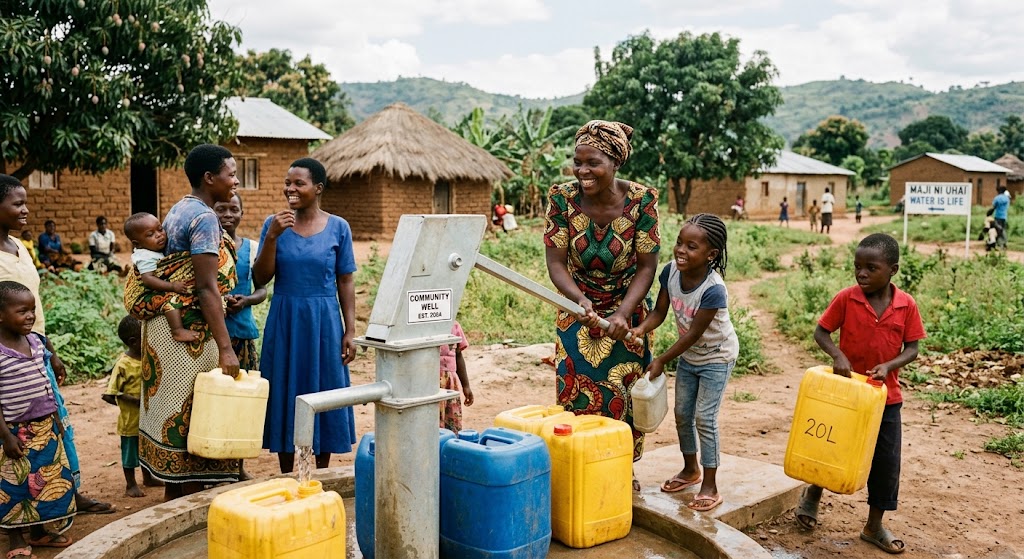
Clean water is one of humanity’s most basic needs. Yet many communities still struggle to access reliable water sources. Therefore, supporting clean water projects can create meaningful and lasting benefits. A water well donation can help communities access water for daily needs. Moreover, it can support families who travel long distances to find suitable water sources. Hilf Al-Fudul Foundation supports water well projects as part of its humanitarian work. The foundation aims to reach people in need regardless of religion, language, or ethnicity.
What Does Sadaqah Jariyah Mean?
Sadaqah Jariyah refers to charity whose benefits continue over time. Islamic tradition places meaningful value on acts that continue helping others. The concept encourages people to support forms of charity with lasting benefits. These acts can include building facilities that people regularly use.
The Prophet Muhammad mentioned three deeds that continue after a person’s death. These include ongoing charity, beneficial knowledge, and a righteous child. This teaching highlights the value of benefits that continue beyond one’s lifetime. Therefore, many Muslims associate lasting community services with Sadaqah Jariyah.
A water well can fit naturally within this understanding. People may continue using a functioning well for their daily needs. Each use can provide another opportunity for benefit. However, only Allah determines the spiritual reward of any charitable act.
Why Is a Water Well Donation Connected to Sadaqah Jariyah?
A water well can provide a continuing source of support for a community. Unlike a one-time supply distribution, a well may serve people repeatedly. Its value therefore extends beyond the moment when someone provides the donation. This lasting function gives well projects a special place within charitable giving.
For example, imagine a rural community with limited access to reliable water. Families may spend significant time reaching distant water sources. A nearby well can reduce some of that daily burden. Children may also gain more time for school, rest, and family activities.
In this sense, a well donation can support more than access to water. It can contribute to daily stability and community wellbeing. Nevertheless, every project depends on local conditions and proper planning. A responsible organization must therefore assess each community’s actual needs.
Why Does Access to Clean Water Matter?
Water affects almost every part of daily life. People need it for drinking, cooking, cleaning, and other basic activities. Communities also depend on water for agriculture and livestock in many regions. Consequently, limited water access can create challenges across several areas of life.
When people lack a nearby reliable source, they may spend considerable time collecting water. This responsibility can affect family routines and educational opportunities. A closer source can make everyday tasks more manageable. It can also help communities organize their time more effectively.
Clean water also relates closely to public health. Reliable access allows families to maintain better hygiene practices. However, a water project must consider water quality and local environmental conditions. For this reason, humanitarian organizations should approach well projects carefully and responsibly.
How Can Charity Support Lasting Change?
Every act of charity can take a different form. Some people support emergency relief, while others prefer long-term projects. Water wells represent one possible way to contribute to lasting community support. The important point remains the responsible use of donated resources.
Transparent humanitarian work helps donors understand where their contributions go. Organizations should explain project goals, locations, and implementation processes clearly. They should also consider technical requirements before beginning construction. These steps help create greater trust between donors and humanitarian organizations.
Charity also extends beyond financial contributions. People can raise awareness and encourage others to support humanitarian causes. They can share reliable information about communities facing water challenges. In addition, volunteering can help people contribute their time and skills.
What Should You Consider Before Supporting a Water Well Project?
Choosing a water well project requires more than looking at the donation amount. Donors should also consider the organization’s approach and transparency. A responsible project begins with a clear understanding of local needs. It should then consider technical, environmental, and community factors.
Before supporting a project, donors can consider these questions:
- Where will the water well serve?
- How did the organization identify the local need?
- What technical requirements does the project involve?
- How will the organization communicate project progress?
- What information will donors receive after the project?
- How does the organization consider long-term usability?
These questions can help donors make informed decisions. They also encourage humanitarian organizations to maintain transparent practices. At Hilf Al-Fudul Foundation, humanitarian work focuses on reaching people who need support. Water well projects form one part of this wider humanitarian approach.
A Water Well Can Support an Entire Community
A well should not only represent a physical structure. Its real value comes from the people who benefit from it. A reliable water source can influence daily routines across an entire community. Families may spend less time searching for suitable water sources.
Consider a small rural settlement where people regularly travel to distant water sources. A nearby well could make water collection more convenient. Parents may gain more time for work and household responsibilities. Children may also have more time for education and other activities.
This example shows why water projects require a broader perspective. Access to water can influence many parts of community life. Therefore, supporting a well can represent an investment in human dignity. It can also strengthen the spirit of solidarity between communities.
The Role of Volunteering in Water Projects
Humanitarian support does not begin and end with financial contributions. Volunteering can also strengthen charitable projects and awareness. Volunteers can help organizations communicate important humanitarian needs. They can also encourage responsible giving within their communities.
Some people contribute professional skills to humanitarian organizations. Others support awareness campaigns or community activities. Each contribution can complement financial donations. Together, these forms of support can strengthen humanitarian efforts.
Furthermore, volunteering can help people understand humanitarian needs more closely. It encourages empathy without reducing people to their difficulties. Instead, it focuses attention on dignity, cooperation, and practical solutions. This approach reflects the broader purpose of humanitarian solidarity.
Sadaqah Jariyah and the Continuation of Good Deeds
Sadaqah Jariyah emphasizes the value of benefits that continue. A water well can provide such ongoing practical value when conditions allow. People may use the same source repeatedly throughout their daily lives. Consequently, the project can represent a continuing form of community support.
Still, charitable intentions should remain sincere and realistic. No organization should promise a specific spiritual reward. Religious reward belongs to Allah alone. Humanitarian organizations can instead explain the practical purpose and potential impact of each project.
First, the organization should identify a genuine need. Next, it should plan the project according to local conditions. Finally, it should communicate the process transparently. These steps help transform charitable intentions into responsible humanitarian action.
Supporting a Well Through Meaningful Giving
A well donation offers one way to support communities that face water challenges. It can contribute to a project designed around a basic and continuing human need. For many Muslims, this also creates an opportunity to pursue the spirit of Sadaqah Jariyah.
Water has held an important place in Islamic charitable traditions throughout history. Communities have established fountains, wells, and other water facilities for public benefit. These examples demonstrate how access to water can become part of a lasting culture of generosity.
Today, water well projects can continue this spirit through organized humanitarian work. Donors can contribute according to their means and intentions. Volunteers can help spread awareness and support humanitarian initiatives. Ultimately, meaningful change often begins when people choose to help responsibly.
Hilf Al-Fudul Foundation works to support people in need without discrimination. Its humanitarian activities include water wells, emergency aid, education support, and other charitable initiatives. Through these efforts, the foundation seeks to connect generosity with practical humanitarian support.


