

How Are Overseas Qurbani Projects Planned?

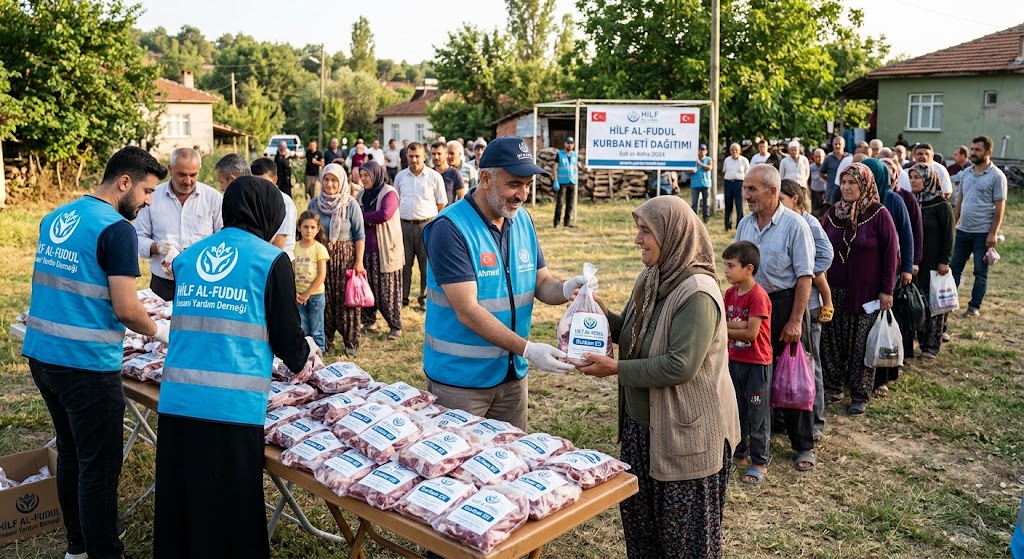
Overseas Qurbani projects require careful planning, local knowledge, and responsible coordination. They connect donors with families who may need food support during Eid al-Adha. Therefore, every stage should follow a clear and accountable process. Hilf Al-Fudul Foundation coordinates humanitarian activities across more than 12 countries. In addition, the Foundation works with local teams to understand community needs. First, teams assess local conditions and identify suitable distribution areas. Then, they coordinate sourcing, slaughter, packaging, distribution, and reporting.
Why Do Overseas Qurbani Projects Need Careful Planning?
A Qurbani project involves more than purchasing an animal. Teams must coordinate several connected activities within a limited period. First, they need reliable information about local communities. They also need suitable suppliers and experienced field teams. Furthermore, local regulations and cultural practices can affect the process. Transportation and storage conditions may also influence the distribution plan. Therefore, teams should prepare each stage before the campaign begins. Good planning helps humanitarian organizations use resources responsibly.
For example, a rural community may have different needs from an urban area. Some families may live far from established distribution points. Others may face transportation difficulties or limited access to food markets. Local teams can identify these challenges through direct field knowledge. They can then suggest practical distribution routes and collection points. This approach reduces unnecessary delays during the campaign. It also helps teams reach beneficiaries with greater efficiency. Ultimately, careful preparation supports a more organized humanitarian response.
How Does the Needs Assessment Begin?
Needs assessment forms one of the first steps in an overseas Qurbani project. Teams begin by reviewing the social and economic conditions of the target area. They also consider the number of potential beneficiary families. In addition, they examine transportation routes and local access conditions. Local partners can provide valuable information about communities and their priorities. This information helps the organization develop a realistic operational plan. Moreover, teams can adjust their approach according to regional circumstances. As a result, the project responds to actual needs rather than assumptions.
Needs can vary considerably between countries and communities. A single distribution model may therefore not work everywhere. Teams should consider family size, location, accessibility, and local food practices. They should also communicate respectfully with community representatives. This communication helps teams understand local expectations and practical challenges. Importantly, humanitarian support should always protect human dignity. Teams should avoid approaches that make beneficiaries feel uncomfortable or exposed. Thus, needs assessment supports both effective planning and respectful service.
How Does Qurbani Animal Sourcing Work?
Animal sourcing represents another important stage of the project. Organizations need reliable local suppliers who understand regional requirements. Teams should also check whether animals meet the relevant Qurbani conditions. Local market research can help teams understand current availability and costs. However, prices may differ between countries and seasons. Therefore, organizations should avoid making unsupported price assumptions. Instead, they should review local conditions before finalizing operational budgets. This approach supports responsible financial planning.
The sourcing process also requires coordination with the slaughter schedule. Teams need enough time to organize animals, slaughter areas, staff, and distribution routes. They should consider local regulations and relevant animal welfare requirements. Furthermore, teams should maintain communication with suppliers throughout the process. Clear responsibilities can prevent confusion during busy periods. The organization can then coordinate the next stages more effectively. In addition, accurate records can support later reporting. Transparency begins with careful documentation at the sourcing stage.
How Do Slaughter and Distribution Teams Coordinate?
Slaughter and distribution require close cooperation between field teams. First, teams establish suitable locations and operating schedules. They also organize responsibilities among coordinators, local workers, and volunteers. Hygiene and food safety practices remain important throughout the process. After slaughter, teams prepare the meat for distribution according to local conditions. They then move the packages through planned distribution routes. Finally, field coordinators document the completed activities. This structure helps teams maintain order during a demanding campaign period.
Distribution planning should also consider the dignity and privacy of beneficiaries. Teams should communicate respectfully and avoid unnecessary exposure. They should also choose suitable locations that allow orderly collection. In remote areas, teams may need additional transportation arrangements. Local volunteers can help identify practical routes and community contacts. However, volunteers should receive clear instructions before they begin their duties. Good coordination reduces confusion and supports a smoother distribution process. Therefore, logistics and human considerations should work together.
How Does Volunteering Support Qurbani Projects?
Volunteering can strengthen humanitarian projects in many practical ways. Volunteers may support communication, logistics, distribution, and local coordination. Their local knowledge can help teams understand community needs more clearly. They can also assist with organizing distribution points and communicating with families. However, each volunteer should understand their responsibilities before the campaign begins. Clear task assignments help teams avoid duplication and confusion. In addition, coordinators should maintain communication throughout the operation. This approach allows volunteers to contribute safely and effectively.
Volunteering can also create meaningful connections between communities. People from different backgrounds can work together around a shared humanitarian purpose. Nevertheless, volunteer involvement should always respect local customs and community expectations. Volunteers should never treat beneficiaries as subjects of publicity. Instead, they should focus on respectful communication and practical support. This principle protects dignity while strengthening community relationships. Moreover, responsible volunteering can encourage longer-term humanitarian engagement. In this way, volunteer support becomes part of a broader culture of solidarity.
Why Do Transparency and Reporting Matter?
People who make a donation naturally want to understand how organizations use their support. Transparent communication helps donors follow the progress of humanitarian projects. Organizations can explain the countries, regions, and stages involved in their campaigns. They can also share appropriate photographs and general project information. However, they should protect beneficiaries’ privacy when publishing visual content. Accurate reporting should remain the priority throughout the process. Organizations should never use unverified statistics simply to attract attention. Therefore, responsible reporting strengthens trust between donors and humanitarian teams.
A transparent report can describe several important elements. These may include the target location, operational stages, and distribution activities. Organizations can also explain relevant challenges without exaggerating their impact. Such communication gives donors a clearer understanding of field realities. Furthermore, honest reporting supports long-term confidence in humanitarian work. Hilf Al-Fudul Foundation values clear communication throughout its humanitarian activities. The Foundation aims to connect donor support with communities through responsible processes. Ultimately, transparency helps turn a donation into a relationship built on trust.
What Should Organizations Consider Before the Campaign?
Several factors can influence the success of an overseas Qurbani project. First, organizations should understand local needs and operating conditions. They should then identify reliable suppliers and experienced local partners. Teams should also prepare clear slaughter and distribution schedules. In addition, they need appropriate transportation and communication plans. Volunteers should receive clear information about their roles and responsibilities. Finally, organizations should prepare a practical reporting process before operations begin. These steps create a stronger foundation for the campaign.
Cultural awareness also deserves special attention during international humanitarian work. Each community has its own traditions, communication styles, and social expectations. Local teams can help international organizations understand these differences. Respectful communication can prevent misunderstandings during distribution activities. Furthermore, teams should protect the privacy and dignity of every beneficiary. They should avoid language that presents people only through their difficulties. Instead, communication should focus on solidarity, respect, and shared humanity. This approach reflects the principles of responsible humanitarian action.
How Can Qurbani Donations Support Communities Abroad?
A Qurbani donation can become part of a carefully coordinated humanitarian effort. However, effective support requires more than financial contribution alone. Organizations need strong local coordination, responsible logistics, and transparent communication. Donors can contribute to this process by choosing organizations that explain their work clearly. They can also review the organization’s humanitarian activities and communication practices. Meanwhile, volunteers can support field operations through appropriate roles. Together, these contributions can strengthen community-based humanitarian assistance.
Hilf Al-Fudul Foundation carries out humanitarian activities across more than 12 countries. Its work includes Qurbani support alongside water projects, education assistance, and emergency aid. The Foundation approaches humanitarian work without discrimination based on religion, language, or race. Its goal remains simple: connect people who want to help with communities that need support. Therefore, every Qurbani campaign begins with planning and continues with responsible implementation. Finally, transparent communication helps donors understand the journey of their support.
Building Solidarity Through Responsible Qurbani
Overseas Qurbani projects bring together donors, volunteers, local teams, and beneficiary communities. Their success depends on preparation, coordination, and respect. First, teams need accurate information about local needs. Then, they must coordinate sourcing, slaughter, distribution, and documentation. In addition, volunteers can provide valuable support when organizations assign clear responsibilities. Transparent reporting can further strengthen donor confidence. As a result, Qurbani can become part of a wider culture of international solidarity. Responsible humanitarian work always places dignity and trust at the center.


