

Orphaned Children and Their Basic Needs

Orphaned Children and Their Basic Needs
Every child deserves safety, care, education, and the chance to grow with dignity. However, orphaned children may face additional challenges after losing one or both parents. First, they need reliable care that supports their daily lives and future development. Additionally, access to food, healthcare, education, and emotional support can shape their opportunities. Hilf Al-Fudul Foundation supports vulnerable children through humanitarian projects in different countries. Ultimately, responsible donation and volunteering can help communities respond to children’s needs with dignity.
What Are the Basic Needs of Orphaned Children?
The needs of orphaned children extend far beyond food and clothing. Children need stable environments where adults can protect, guide, and encourage them. Their circumstances may differ according to their age, location, family structure, and community.
A child living with relatives may have different needs than one living with a guardian. Likewise, children affected by poverty may face additional barriers to education or healthcare. Therefore, humanitarian support should consider the whole child rather than one immediate problem. A thoughtful approach can address both present needs and future opportunities. This perspective helps organizations plan assistance with greater care and responsibility.
Food and Clean Water Support
Nutrition represents one of the most basic requirements during childhood. Children need regular access to safe food that supports healthy growth and daily activities. Clean drinking water also plays an important role in hygiene and everyday wellbeing.
For some families, economic hardship can make regular access to nutritious food difficult. Water shortages can create additional challenges in communities with limited infrastructure. Humanitarian projects can therefore address several connected needs at once.
Support may include:
- Nutritious food assistance
- Access to clean drinking water
- Hygiene supplies
- Seasonal food support
- Household assistance when appropriate
Such support does not replace long-term solutions. Instead, it can help families manage immediate challenges while communities develop sustainable resources.
Healthcare and Basic Medical Support
Healthcare remains another essential need for orphaned children. Children require access to preventive care, medical attention, vaccinations, and appropriate treatment. Their needs can change as they grow, so regular access to healthcare matters.
A minor health problem can sometimes interfere with school attendance and daily routines. Financial difficulties may also prevent caregivers from seeking timely medical assistance. Humanitarian organizations can help connect vulnerable families with appropriate support.
Healthcare assistance should respect local systems and professional medical guidance. It should also protect children’s privacy and dignity. Most importantly, children should receive care without discrimination based on religion, language, ethnicity, or social background.
Education Creates Long-Term Opportunities
Education can give orphaned children valuable tools for their future. It can strengthen literacy, numeracy, communication, and problem-solving skills. School can also provide structure and opportunities for positive social interaction.
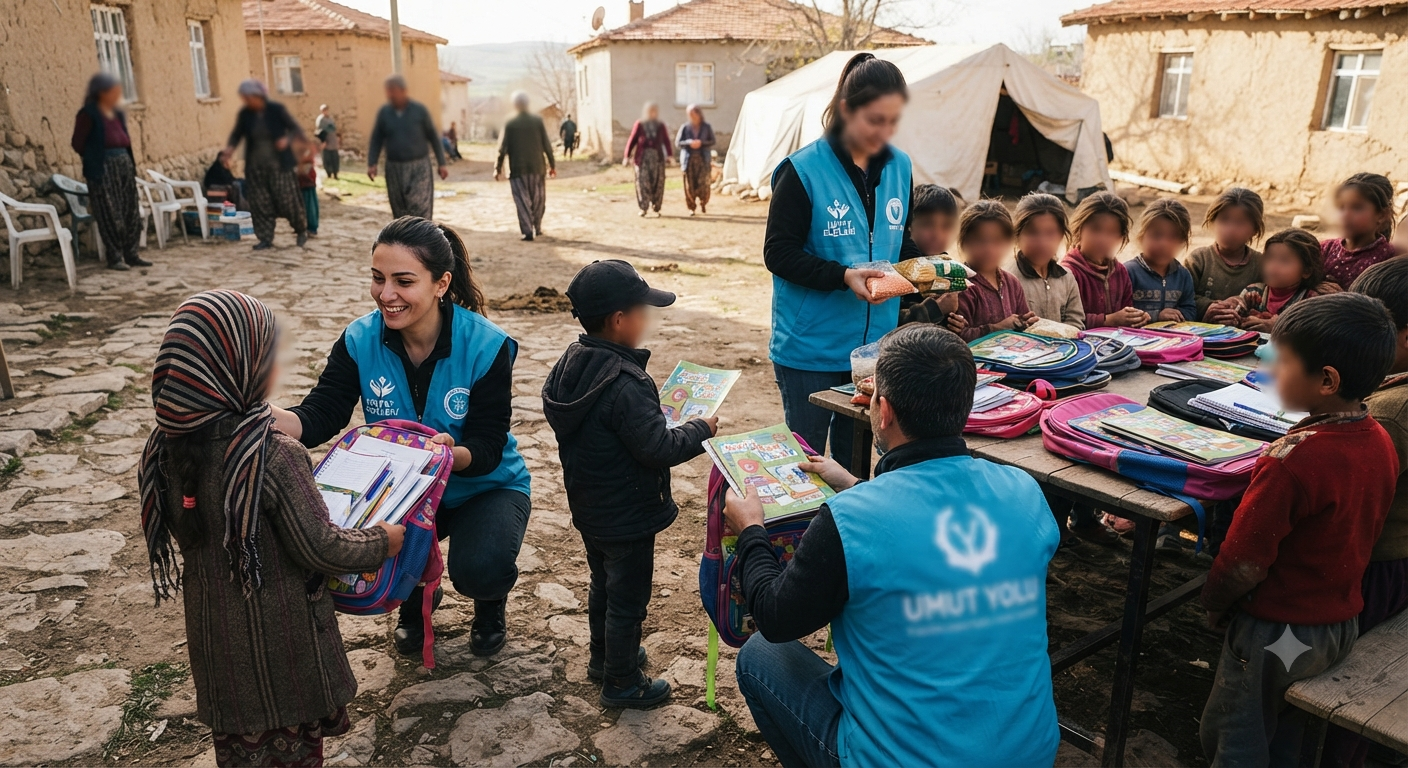
However, attending school requires more than a classroom. Children may need uniforms, books, stationery, transportation, or other basic supplies. Families facing financial pressure may struggle to cover these expenses.
Educational support can therefore include:
- School supplies
- Educational materials
- Tuition assistance where appropriate
- Learning resources
- Support for continued school attendance
Education should not focus only on examination results. It should also help children develop confidence, practical skills, and a sense of possibility.
Emotional Safety Matters Too
Children experience loss in different ways. Therefore, orphaned children may need patient adults who provide stability and reassurance. Emotional support does not always require complex programs. Sometimes, consistent care and respectful communication create an important sense of security.
Caregivers can encourage children to express their concerns without judgment. Teachers can also provide supportive environments where children feel included. Community members can contribute by treating children with respect rather than defining them by their loss.
Humanitarian assistance should therefore protect emotional dignity alongside material needs. A child should receive support as an individual with abilities, interests, and aspirations. This approach avoids reducing children to difficult circumstances alone.
Safe Housing and Daily Care
A safe home gives children a stable foundation for everyday life. Orphaned children may live with relatives, guardians, foster families, or other caregivers. Their living arrangements can vary significantly between communities and countries.
Safe housing should provide protection from violence, exploitation, neglect, and dangerous conditions. Children also need regular meals, clean clothing, hygiene products, and appropriate supervision.
Support for caregivers can strengthen this environment. For example, assistance with household essentials may reduce financial pressure. In some situations, educational or livelihood support for caregivers can also benefit children indirectly.
The goal should remain clear: children need safe and stable environments where they can develop.
Why Child Protection Requires Careful Planning
Child protection involves more than responding to visible problems. Organizations must consider safety, privacy, dignity, and responsible communication. They should also understand local laws, cultural conditions, and community structures.
Humanitarian workers need appropriate procedures when interacting with children. They should avoid exposing personal information or using children’s experiences for emotional appeal. Photographs and stories require particular care when they involve vulnerable minors.
Responsible organizations therefore balance transparency with child protection. They can explain project goals without turning children’s lives into promotional material. This approach helps build trust with donors, volunteers, caregivers, and local communities.
How a Donation Can Support Orphaned Children
A thoughtful donation can support several aspects of a child’s daily life. However, donors should understand what an organization actually provides. Different projects may focus on food, education, healthcare, housing, or emergency assistance.
A donation can contribute to:
- Educational materials
- Food and essential supplies
- Healthcare assistance
- Hygiene products
- Seasonal support
- Child-focused humanitarian programs
The impact depends on the project, location, available resources, and community needs. Therefore, transparency remains important when organizations communicate about donations.
Donors can look for clear information about the purpose of campaigns. They can also consider whether organizations explain their humanitarian approach openly. Responsible giving starts with understanding where support goes and why it matters.
The Role of Volunteering in Child Support
Financial assistance represents only one form of humanitarian participation. Volunteering can also strengthen humanitarian initiatives in different ways. Volunteers may contribute through communication, organization, awareness activities, or community support.
However, working directly with children requires appropriate knowledge and safeguarding procedures. Not every volunteer role involves direct contact with minors. Many important tasks happen behind the scenes.
For example, volunteers may help with:
- Campaign communication
- Administrative activities
- Community awareness
- Educational initiatives
- Fundraising support
- Event organization
This allows people to contribute according to their abilities and available time. In turn, organizations can build stronger networks around vulnerable communities.
What Do Orphaned Children Need for Their Future?
Meeting immediate needs matters, but children also need opportunities for the future. Education can support this goal, while vocational skills can become important as young people approach adulthood.
Older children may benefit from career guidance and practical learning opportunities. Younger children may need stronger foundations in literacy and basic education. Each age group therefore requires a different form of support.
Long-term humanitarian work should consider this development journey. Assistance should help children move toward greater independence when appropriate. At the same time, caregivers and communities should remain part of the process.
A sustainable approach asks not only what a child needs today. It also considers what can help that child build a safer tomorrow.
Hilf Al-Fudul Foundation and Orphan Support
Hilf Al-Fudul Foundation works to support vulnerable people without discrimination based on religion, language, or race. Its humanitarian activities include orphan support alongside water wells, education scholarships, Qurban initiatives, and emergency aid.
The foundation works across more than 12 countries, responding to different humanitarian circumstances. Each community can have different priorities and practical challenges. Therefore, humanitarian assistance requires attention to local conditions.
For orphaned children, support can involve addressing essential needs while respecting their dignity. The foundation’s broader humanitarian approach also recognizes the importance of education, basic necessities, and community support.
Transparent communication can help donors understand the purpose of humanitarian campaigns. Likewise, responsible volunteering can bring additional skills and community participation to humanitarian work.
Why Dignity Should Remain at the Center
Humanitarian assistance should never define a child only through hardship. Every child has talents, interests, hopes, and personal potential. Support should recognize these qualities while addressing genuine needs.
This principle also changes how organizations communicate. Instead of focusing on pity, campaigns can explain practical needs and meaningful solutions. Instead of exaggerating difficult situations, they can present information respectfully.
Such communication protects dignity and encourages responsible participation. It also helps donors understand humanitarian work beyond a single moment of giving.
How Can You Support Orphaned Children?
Supporting children can take different forms depending on personal circumstances. Some people choose financial donation, while others contribute time through volunteering. Others may share reliable information and help raise awareness within their communities.
Before supporting a campaign, consider several practical questions:
- What specific need does the campaign address?
- Does the organization explain its humanitarian approach clearly?
- Does it protect children’s dignity and privacy?
- Does it provide transparent information about its activities?
- Can supporters understand how their contribution helps?
These questions encourage informed and responsible humanitarian participation. They also help create stronger relationships between organizations, supporters, and communities.
Conclusion: Supporting Children With Dignity
The basic needs of orphaned children include much more than food and clothing. Children need safety, clean water, healthcare, education, emotional support, and stable care. These needs connect with one another and can influence a child’s development over time.
Hilf Al-Fudul Foundation approaches humanitarian assistance with respect for human dignity and without discrimination. Through donation and volunteering, supporters can contribute to projects that address real needs in vulnerable communities. Ultimately, meaningful support begins with understanding what children need and responding responsibly.


